The Ultimate Guide to Different Types of Headphones
When it comes to choosing headphones, there is no shortage of options. From wireless to wired, in-ear to over-ear, and noise-cancelling to bone conduction – the list of choices is seemingly never-ending. If you’re looking for a comprehensive guide to diving into the world of headphones and demystifying all the different types, then you’ve come to the right place. Let’s get started with the ultimate guide to different types of headphones out there on the market.
Quick Insight
There are several different types of headphones available, including in-ear, over-ear, on-ear, and wireless headphones. Each type offers a unique listening experience for different styles and preferences.
Common Types of Headphones
When it comes to sound-quality and comfort, there are many different types of headphones available for audiophiles today. With the evolution of technology, headphone design has moved beyond just over-ear and on-ear headphones to include variations that fit inside the ear, called earbuds. While some prefer the comfort and sound quality of traditional over-ear or on-ear headphones, others enjoy the portability in earbuds and the convenience of having a pair that fit easily in their pocket.
So, what are some of the most common types of headphones on the market?
Over-Ear Headphones – Also sometimes known as Circumaural headphones because they go around your ear. Over-ear models usually have larger driver units than on-ear headphones, providing a richer audio experience. Many offer noise cancellation features which allow users to enjoy better quality sound even in noisy places. Some models like Beats by Dr. Dre come with stylishly designed cups which help muffle outside noises so you can focus on your music without distraction. However, when compared to Earbuds or On-Ear Headphones they typically lack portability due to their larger size.
On-Ear Headphones – Otherwise known as Supra-aural (over our ear) headphones are smaller than Over-Ear headphones and rest directly on the ear. They provide both excellent sound quality and great portability since they can be easily folded up into a pocket or bag if needed. They also offer more options in terms of styling than Over Ear headphones, with popular brand names such as Apple Airpods offering fashionable designs that appeal to many consumers today. However, due to their smaller size On-Ear Headphones don’t block out external noise as well as Over Ear models and may cause more discomfort for some people after extended use.
In-Ear Headphones – Also known as Earbuds because they fit snugly inside your ear canal, these are often seen as being more convenient and comfortable than other types of headphones as they typically weigh considerably less than any other style. This makes them ideal for people living an active lifestyle who might need something portable that won’t get in their way while running or working out at the gym.
Unfortunately, due to their placement inside the ear canal, many models can suffer from poor fullness and clarity because sound waves must compete with outside noise before it reaches your eardrum. This means it can be a struggle finding a pair of high quality Earbuds without sacrificing physical comfort in exchange for better audio performance.
As you can see, each type of headphone offers its own unique set of benefits depending on what users are looking for out of their listening experience: enhanced sound quality, maximum comfort or improved portability; knowing which model best suits your needs is important before spending money on any type of headphone purchase. The next section will explore aspects related to one particular type; In came Earbuds – click here to find out more!


Earbuds
Earbuds are a type of headphone that fits directly into the ear canal, making them highly convenient and portable. They are designed to fit snugly in the ear and provide users with a clear and realistic sound. They come in many different styles, including in-ear, behind-the-neck, and even wireless options, so you have plenty of choices when it comes to finding the right pair for your needs.
The main advantage of earbuds is their portability and convenience. Since they don’t take up much space and can easily slide into a pocket or bag, they’re great for on-the-go listening. Furthermore, their smaller size allows manufacturers to make more affordable models compared to larger headphones.
However, there are some drawbacks to consider. One of the most common complaints is that earbuds tend to provide a less-accurate sound quality than other types of headphones since the sound is coming directly into your ear canal without extra padding and insulation. Another issue is that since they’re so small they can be difficult to keep securely in your ears while moving around or during physical activity. Lastly, depending on your anatomy, some people find earbuds uncomfortable or outright painful as they press against the inner walls of the ear canal.
For anyone looking for a lightweight and easy-to-use option with good sound quality, earbuds may be right for them, but those seeking superior audio performance may want to look towards over-ear headphones. Next up, let’s explore these larger cans in greater detail…
Main Summary Points
Earbuds are a type of headphone that fits directly into the ear canal, making them highly convenient and portable. They offer advantages such as portability and affordability but may have drawbacks in sound quality and comfort for some individuals. Those seeking superior audio performance may want to look towards larger over-ear headphones instead.
Over-Ear
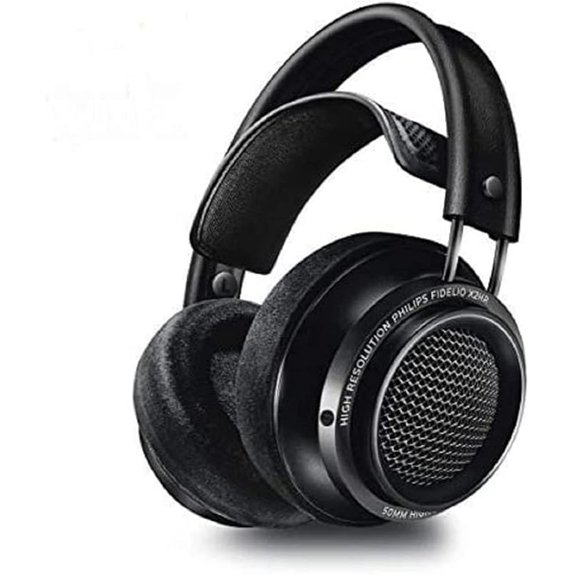
Over-ear headphones, known for their size, comfort, and sound quality, have become the go-to choice for many music enthusiasts and professionals alike. These are large enough to fit over the ears and offer the best sound isolation making them better suited for quiet environments like offices or study areas. The mechanics of an over-ear headphone design involve large foam or padded ear cups that form a seal around the ear, blocking out any external noise. This makes them perfect for sound engineers as they need accurate audio output from their source devices.
Many users find over-ear headphones to be more comfortable than on-ear models due to their size and padding. They provide a good balance between long listening sessions and noise isolation. On the other hand, some people find them too large, heavy, and cumbersome to wear for long periods of time or even portable listening. For those looking for an all day listen on the go, in-ear headphones may be the better option.
Overall though, the benefit of working with over-ear headphones is that they provide great sound with isolation without sacrificing comfort and quality. Despite this, it’s important to try before you buy due to the different sizes available – make sure they’re snug on your head while still giving you enough room to move around without feeling uncomfortable.
Now that we’ve covered over-ear headphones let’s discuss another type of headphones – on-ear models – and how they differ from their over-ear counterparts.
On-Ear
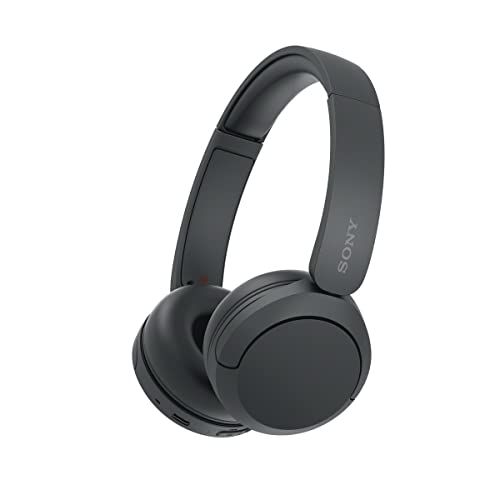
On-ear headphones are a type of headphone that rests on the outer ear and provide sound quality comparable to that of over-the-ear headphones. Generally, they have fewer features than their over-the-ear counterparts, but this does not mean that there isn’t an on-ear style for every type of listener.
Advantageous of on-ear headphones include comfort and portability – their lightweight design makes them easy to carry in a bag or pack away in a pocket. The ear pads normally provide adequate cushioning to ensure a comfortable wear.
They also tend to be better priced than over-the-ear models because they use fewer components, means less cost for manufacturers. However, due to their lightweight design and smaller ear cups, sound isolation on on-ear models is typically not as good as it is with over-the-ears, which translates into more sound leaking out from your music when listening in public areas with lots of background noise.
The debate concerning the advantages and disadvantages of on-ear headphones ultimately comes down to user preference – their lightweight design, portability and affordability may outweigh their lack of sound isolation for some listeners. For au audiophile who desires superior sound performance, the on-ear style may not meet expectations.
Now that we have discussed on-ear headphones let’s dive into the details of another popular style – in-ear headphones.


In-Ear
In-ear headphones are small, lightweight, and often extremely versatile headphones that offer a tight seal against your ears. This tight seal helps block out exterior noise and can provide a more immersive listening experience. In-ears are also often designed with portability and active lifestyles in mind, making them a popular choice for exercising, commuting, and everyday activities.
Though in-ear headphones often provide some of the best sound quality of any headphone type due to their snug fit over the ear canal, they do come with some drawbacks as well. In-ear headphones aren’t typically the most comfortable option since their snug fit over the ears can cause discomfort over long periods of time. Additionally, those with larger ears may find it difficult to get a comfortable fit or effective seal from in-ear models.
Despite these potential drawbacks, in-ear headphones remain a popular choice amongst users who prioritize sound quality and active lifestyles. Moving forward to the next section, we’ll explore different features that many headphones have available to help enhance your overall listening experience.
Different Features of Headphones
Headphones are complex audio devices, with a wide range of features beyond just sound quality. When selecting a pair of headphones, it is important to consider what types of features you need in order to get the most out of your listening experience.
One key issue to consider is the type of connection your headphones use—either wired or wireless. Wired headphones, while providing superior sound quality, require cords that can be inconvenient, especially when exercising or traveling. Wireless headphones are free from these wires, giving more freedom of movement, but they tend to have a shorter battery life and cost more.
The size and design of your headphones also comes into play when making a decision. Full-size headphones are typically heavy and bulky, which some users may not find comfortable for extended periods of time. On the other hand, earbuds and smaller in-ear models provide greater portability but do not offer as much passive noise cancellation as larger models due to their shallow fit in the ears.
Finally, you will want to consider any special features that may be available such as noise cancelling or ambient sound modes. Noise cancelling technology has increased significantly over the past few years and allows users to eliminate ambient noise in their environment for a deeper level of immersion in their music or multimedia content. Ambient sound modes act similarly but are designed for situations where you still want to hear elements of your environment, like conversations or traffic noise.
No matter which type of headphones you choose, each model’s features should factor into your purchase decision. With plenty of price points and features available in today’s market, there is an option out there for every user that meets their individual needs. Now let’s take a look at the different types and levels of noise-canceling technology available on modern headphones and how it can improve your listening experience.
- According to Statista, in 2019 the global market for headphones and headsets was valued at more than 17 billion U.S. dollars.
- A survey published in 2017 found that more than 54% of Americans own either in-ear or on-ear headphones.
- Research by Deloitte found that 40% of people surveyed felt that noise cancelling headphones were the most important feature when buying a new pair.
Noise-Canceling
Noise-canceling headphones are the perfect choice for busy spaces or long commutes. These headphones work by producing opposite sound waves to the ambient background noise, thereby canceling it out and providing an immersive experience with only the desired sounds heard. They offer a great deal of freedom from unwanted noise, providing peace and quiet for music lovers who want to escape into their own world of sound.
Their benefits come with drawbacks, too. Some people may find it disorienting to experience total silence in a noisy environment; they might feel isolated or cut off from their surroundings while listening to their music or podcast. Those with hearing deficits might have difficulty taking advantage of the full experience provided by these headphones as they would miss out on the parts of the audio spectrum that are canceled out. Additionally, those that prefer bass heavy music might not find suitable options on market due to some noise-canceling headsets failing to produce good bass frequencies.
Luckily, most top tier brands provide customized sound settings for different environments and preferences with new technology such as adaptive noise cancellation. This helps make these headphones more accessible for all as you can adjust them to fit your needs without compromising quality and performance.
Overall, noise-canceling headphones provide a valuable solution for those seeking quietude in noisy places, however they may not be suitable for everyone due to some of their limitations. Therefore, it’s important for anyone looking for a pair of noise-canceling headphones to consider their preferences before investing in a set. With that in mind, let’s move onto the next section where we’ll talk about the benefits of Wireless Headphones.
Wireless
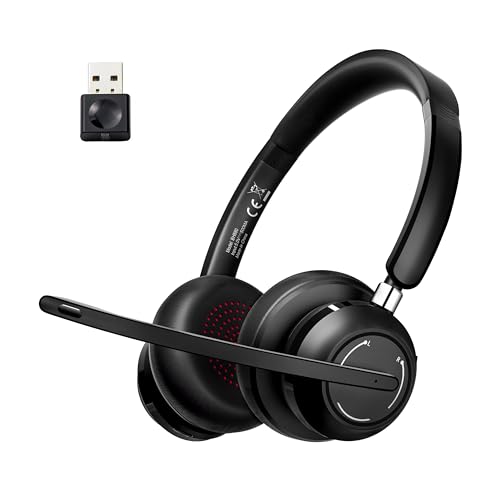
Wireless headphones are becoming an increasingly popular option among music and tech aficionados alike. Wireless headphones give users the freedom to listen to their favorite music without being tethered down by cords. This makes them ideal for people who are always on the go, such as athletes, commuters and travelers.
However, wireless headphones do have some drawbacks. The biggest one being that they usually require a battery in order to function properly. This means that users must make sure their headphones are charged before use which can be annoying if you are in a rush or forget to charge them. Additionally, wireless headphones tend to be more expensive than wired ones due to their advanced technology.
Finally, another con of wireless headphones is that they may suffer from sound-quality loss or connection issues due to interference from other wi-fi signals or objects blocking the signal. This can occur even at short distances so it is important for users to always be aware of their environment when using wireless headphones.
In conclusion, while wireless headphones have some downsides they are still a great option for those who need more freedom and mobility with their audio experience. If these potential problems don’t phase you then wireless headphones might just be the right fit for your lifestyle. Next up we will discuss the basics of wired headphone options and their benefits over wireless models.




Wired
Wired headphones offer the most reliable and consistent sound quality because they’re connected to your device in a physical sense, creating a reliable connection. Wired headphones are generally more affordable and easier to maintain since you never have to worry about recharging, connecting via Bluetooth, or experiencing signal interruption. Additionally, wired headphones typically provide better sound quality than their wireless counterparts due to more advanced signal compression technology in the wires themselves.
On the other hand, wired headphones can be less convenient and more bulky, as it requires managing wires with every use when compared with wireless options. They also require extra compatibility for plugging into certain devices—generally only one type of connector will work. This can mean getting adapters or different versions of the same model depending on your particular device.
Despite their drawbacks, wired headphones remain popular due to their affordability and reliability. It’s important to consider these advantages and disadvantages in order to make an informed decision when attempting to select the best type of headphones for your needs. Now that we’ve discussed wired headphones, let’s discuss different styles and brands of headphones available today.
Different Styles and Brands of Headphones
When it comes to finding the right pair of headphones, there are a huge number of different styles and brands available. It can be overwhelming to choose the perfect pair for your needs, so it is important to understand the main types of headphones and what distinguishes them from each other.
On-ear headphones cover the earlobe and fit over the head like a band. They sit slightly on top of the ears, leaving room for some ambient sound which can provide an open listening experience. However, this also means that these headphones may not block out surrounding noise as much as others on the market. Over-ear headphones provide more coverage than on-ear models.
These tend to have better sound quality and greater isolation from outside noises, but they are bulkier and heavier than their counterparts. In-ear headphones go directly into the ear canal and offer excellent passive sound isolation in addition to a small design. These models range in fit options including non-intrusive buds to earbuds with silicone tips that get inserted deeper into the ear canal for better sound quality.
The brand you choose can also play a role in selecting headphones since different companies specialize in various types or design offerings. For example, if you prefer on-ear headsets with unmatched portability, then well-known brands such as Sony should be at the top of your list. Sony’s latest on-ear model offers premium sound in a compact package with the added convenience of integrated controls for easy access to music settings.
Beats by Dre is an incredibly popular choice when it comes to choosing an over-ear set due to their clear bass and audio quality despite their somewhat high price tag compared to other brands. For those looking for really deep bass levels, technology giants such as Bose have built up a reputation for their innovative designs as well as amazing in-ear customer service experience when selecting any of their products.
Regardless of which style or brand you decide is best for you, make sure you do your research before purchasing so that you can be confident that you are making the right decision based on your personal needs. With this in mind, let’s next look at some of the advantages and disadvantages associated with using headphones.
Advantages and Disadvantages of Using Headphones
Headphones offer major advantages in convenience, comfort and portability. Depending on the type of headphones used, they can provide a superior audio experience when compared to traditional listening methods. Headphones allow you to enjoy your favorite music without disturbing those around you, or have a private conversation without having to worry about extraneous noise. They are also lightweight, portable and easy to store which makes them ideal for travelers.
However, there are also some drawbacks to using headphones. Noise isolation technology can block out distracting external sounds, but it can also block some potentially important ones like emergency alarms or warning signals. Long-term use of headphones may cause headaches, disorientation or neck pain due to improper fit or design. In addition, headphones may increase the likelihood of damage from sound levels that are too loud if not monitored carefully.
Given these advantages and disadvantages, it is important for buyers to consider all factors before purchasing a set of headphones. The next section will discuss ways to make an informed choice that meets your individual needs by weighing these pros and cons.
Conclusion: Making a responsible choice when selecting headphones requires careful consideration of their benefits and drawbacks, which will be discussed in the next section.
Conclusion
The ultimate guide to different types of headphones has provided a comprehensive overview of the most popular types of headphones currently on the market, Their pros and cons, as well as their compatibility with various devices.
Overall, in-ear, on-ear and over-ear headphones each have their own advantages and disadvantages. In-ear headphones are often lightweight, compact and cost-effective whereas over-ear headphones tend to provide superior sound quality and comfort due to their larger size. On-ear headphones, meanwhile, offer a balance between those two options.
When it comes to deciding the best type of headphones for you, you must consider critical factors such as your budget, sound quality requirements, design preferences, mobility needs and level of noise isolation desired. Depending on how much use you plan on getting out of them and where you’re using them, some types may be more suitable for your needs than others.
At the end of the day, all types have one thing in common – they all give us a way to enjoy our music and entertainment without disturbing those nearby. With this ultimate guide providing insight and information into each type’s sound quality, benefits and design features all in one place, you can now make an informed decision about which pair is right for you.
Responses to Common Questions with Detailed Explanations
Are there different levels of sound quality among different types of headphones?
Yes, there are definitely different levels of sound quality among different types of headphones. While most stock headphones will offer basic sound quality, higher-end over-ear headphones typically provide a more immersive experience with greater clarity and detail in the audio.
This is because they have larger 40mm or 50mm drivers that allow for improved soundstage and deeper bass response, while noise-canceling technology can also make a big difference in blocking out background noise to improve focus on the audio. With studio-level headphones, you can even take advantage of features like adjustable EQ customization and frequency control for further personalization to get the most out of your listening experience.
– What are the advantages and disadvantages of each type of headphone?
The advantages and disadvantages of each type of headphone will depend on the individual user’s needs and preferences. Generally speaking,
Over-ear headphones offer superior sound quality and comfort, as they cover the entire ear and create a tight seal that reduces external noise interference. This makes them great for listening to music and movies with detailed soundscapes. However, these headphones are usually bulkier and heavier than other styles, making them less portable.
On-ear headphones provide good sound quality but lack the noise isolation that over-ear models provide. They still provide enough sound coverage for most listeners, though people in louder environments may find that ambient sound is more intrusive than it would be with larger over-ear models. On-ear headphones can also cause discomfort after long periods of use due to their tight fit.
Earbuds are typically the lightest and most portable style of headphone available. Their small size makes them easy to store and carry around, and they offer decent sound quality overall. However, they don’t provide as much auditory isolation as over-ear or on-ear models, which makes them less ideal for noisy environments
How do I choose the right type of headphone for my needs?
When it comes to choosing the right type of headphone for your needs, there are a few key factors to consider. First, think about what type of music or sound you intend to listen to. Different types of headphones have unique features that make them better suited for different genres and types of music. For example, open-back headphones tend to provide a more natural sound while closed-back headphones provide a more isolated listening experience with reduced external noise interference.
Second, consider the level of comfort you need from your headset. Headsets come in all shapes and sizes, and some models offer adjustable padding or ear cups to provide additional comfort. Additionally, over-ear headsets typically provide more passive noise cancellation than on-ear designs but require a larger form factor.
Finally, think about your budget for headphones. You can get good entry-level headphones for as little as $25, but if you’re looking for premium sound quality from a high-end model, it might cost as much as $400 or more. Be sure to read plenty of reviews before committing to any particular model.
By considering these factors you should be able to find the right type of headphone for your needs.
What are the different types of headphones?
The different types of headphones vary depending on how they are designed and the purpose for which they were made.
The most common types of headphones are circumaural (over-ear) and supra-aural (on-ear), which both use cushions that fit around or on your ears to seal in sound. Circumaural headphones usually offer the best sound quality, comfort, and noise isolation, whereas supra-aural headphones typically provide less sound isolation but may be more portable.
In-ear headphones offer the ultimate in portability and are often one of the smallest size headphone types, since they sit directly inside the ear canal. They may be uncomfortable for some people or can cause hearing damage if used at too high of a volume. Earbuds offer a similar sound quality to an in-ear headphone, but without being inserted into the ear canal.
Wireless headphones come in all types and are equipped with Bluetooth and/or infrared technology. Bluetooth headphones typically have higher quality sound than infrared.
Noise canceling headphones use active or passive filtering technologies to reduce background noise and are ideal for listening in loud environments or on long flights or train rides.
Finally, gaming headphones, also called headsets, include an integrated microphone and offer active bass enhancement for gaming audio.