- Key Takeaways
- Understanding the physical design
- The core differences: over ear vs on ear headphones
- How environment shapes your listening
- The unseen factors in your choice
- Which headphone type fits your lifestyle?
- Beyond the spec sheet
- Conclusion
- Frequently Asked Questions
- Which is more comfortable for long sessions: over-ear or on-ear?
- Do over-ear headphones have better noise isolation?
- Which is better for commuting or travel?
- Are over-ear headphones better for sound quality?
- Do on-ear headphones cause more ear fatigue?
- Which is cooler and less sweaty in warm climates?
- How does environment affect the right choice?
Key Takeaways
- Over-ear headphones wrap around the ear and generally are more comfortable for long sessions. On-ear varieties sit on the ear and emphasize low weight and small size. Decide depending on your listening duration and available carrying space.
- Over ear models generally provide a more expansive soundstage, more powerful bass, and better passive isolation, particularly when combined with ANC. On-ear designs let more ambient sound in, aiding situational awareness in shared spaces.
- Comfort is about pressure distribution, clamping force, and materials such as memory foam and padded headbands. Try adjustable headbands and soft ear pads to minimize fatigue and ensure a comfortable fit for different head sizes.
- Portability goes to on-ear headphones due to their smaller frames and foldable designs that tuck away easily in small bags. Over-ear headphones tend to be bulky, so seek out collapsible cups and a protective case if you are a frequent traveler.
- The durability increases with metal-reinforced headbands, replaceable ear pads, and detachable cables. Verify build quality and sustainable materials if you intend to wear your headphones every day or for your commute.
- It’s best to match the style of headphones to your environment and lifestyle, a careful balance of safety, comfort and performance. Think about noise levels, activity, travel frequency and ear health considerations such as breathability and pressure before you buy.
Over ear headphones vs on ear headphones pits two popular styles against each other in terms of fit, sound and application.
Over ear models cover the ear, provide more powerful bass, better noise isolation and increased comfort for long sessions, but they weigh more.
On ear sets sit on the ear, are lighter, pack small, and typically are less expensive, but they leak more sound.
To choose, consider comfort, size, and use case, for example, commute, office or home. The subsections below detail specs and examples.
Understanding the physical design
Build affects comfort, portability, and what you hear. Over-ear and on-ear models may appear identical, but their form factors function differently and are experienced differently over time.
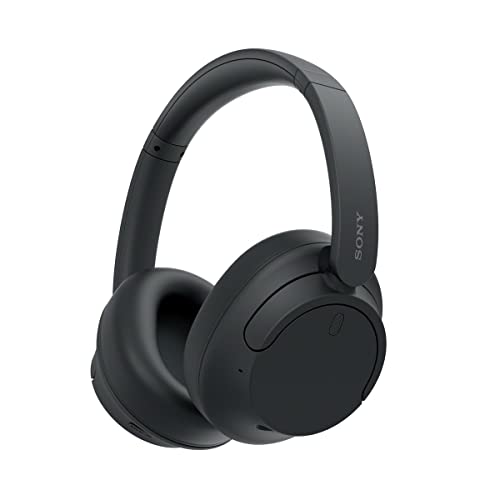
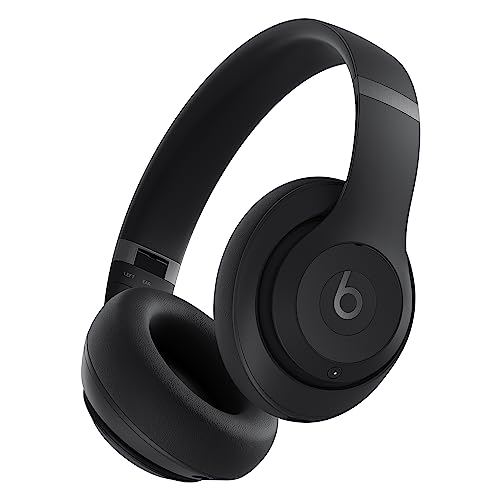
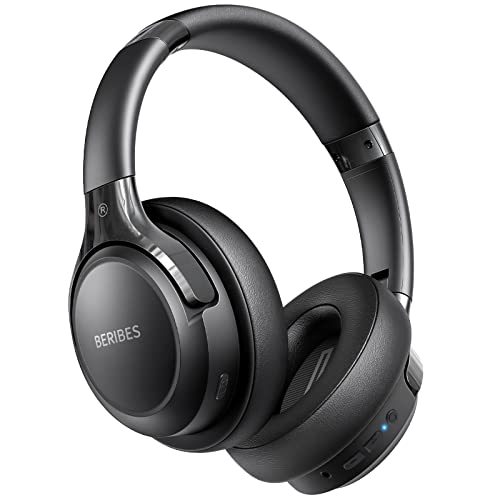
Over-ear headphones utilize massive earcups that surround the ear and create a seal against the side of your head. This complete enclosure establishes both a private, isolated listening space and a firm passive shield that slices ambient noise without power. Thick memory foam pads and padded headbands distribute weight across a wider surface, so pressure points are uncommon when sitting at a desk or on a plane for extended periods.
The larger chambers additionally support the acoustics, providing speakers with greater area to push air and project sound. This can assist with a deeper low end, cleaner dynamics, and a wider sense of space, which you typically hear in studio-style models or travel-focused ANC sets. Many over-ear wireless options include bigger batteries, with typical runtimes of 30 to 40 hours, handy when you transition between work and travel without charging as a reset.
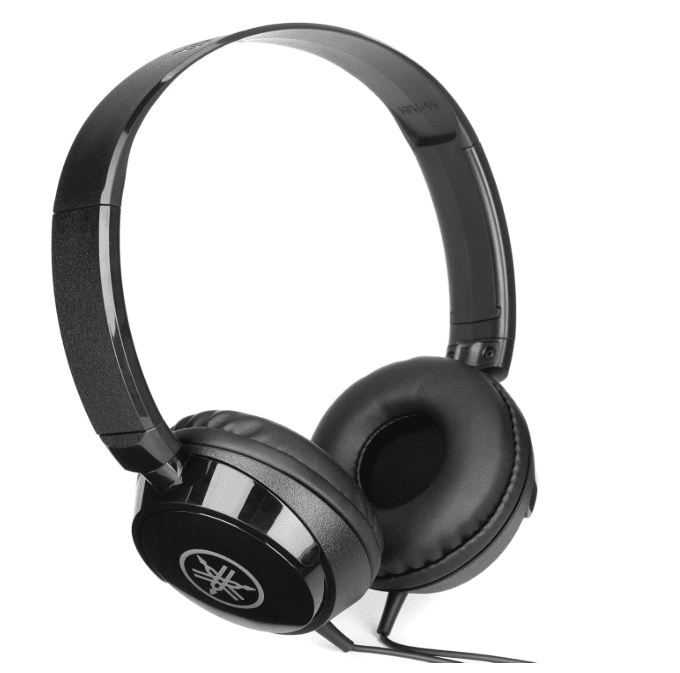
On-ear headphones, or supra-aural, lay the pads directly on the ears rather than around them. This results in a trimmer frame, lighter weight, and a tiny fold that tucks into a small bag or drapes around your neck without bulk. For commuting to work every day, brief calls, or that quick session at the gym, this low profile is convenient.
The trade-off is pressure on the pinna. After 60 to 90 minutes, many users experience listening fatigue from clamp force and pad contact. The limited seal lowers passive isolation, so you might increase the volume in noisy environments. A few designs make this more comfortable with softer pads and lighter clamping; however, fit varies by head shape and glasses.
Breathability and skin comfort vary with enclosure. Over-ear cups trap heat and moisture in part because the pads seal the ear. In hot weather or extended work sessions, this might cause sweaty padding and ear discomfort. Substituting velour or perforated pads can enhance airflow, but isolation will decrease.
On-ear pads cause the ear to be more exposed, so heat dissipates quicker and you feel less ‘boxed in.’ The pad pressing on the ear can still cause hot spots, and in multi-hour sessions, heat and moisture can accumulate on the contact area, further contributing to discomfort or pain and driving listening fatigue.
For all-day use, check clamp force, pad material, and weight. For active use, prefer light builds and washable pads.
🎧 CLICK HERE FOR OVER EAR HEADPHONES 🎧
The core differences: over ear vs on ear headphones
The fundamental distinction: over ear vs on ear headphones. On-ear models are supra-aural, meaning they rest on the ear, which keeps size and weight down but lets in more outside sound. Over-ear sets tend to isolate better and feel more immersive, while on-ear sets prioritize portability and price. Your decision involves comfort, isolation, soundstage, and portability.
1. Comfort
Over-ear headphones distribute pressure around your ear, not on it, which reduces hotspots over time. Cushioned pads paired with breathable fabrics help combat heat build-up, and the larger cups provide space for ears, which a lot of people find more comfortable during long work blocks.
On-ear headphones press on the pinna. After a few hours, that can cause soreness, especially if the pads are thin or the clamping force is high.
Adjustable headbands are important in both types. A broad band with defined notches or a click wheel assists varied head sizes. Soft memory foam pads, replaceable cushions, and light clamp strength make for all-day comfort.
Make a quick table of comfort features—pad depth, clamp force, weight in grams, and band adjust range—to clarify choices.
2. Soundstage
Over-ear headphones tend to produce a wider stage with greater left-right separation and depth, which benefits live recordings, orchestral music, and gaming. Their bigger drivers may push more bass and maintain nuance at quiet moments.
On-ear headphones sound more immediate and intimate. The stage tends to be smaller. This can work well for spoken word, pop, or workouts when you need to zone in.
Pick based on use: immersive home listening favors over-ear. Sleek, compact daily carry may guide you to on-ear.
3. Isolation
These over-ear models seal around the entire ear, blocking more ambient noise and cutting sound leakage. Throw in ANC and you’ve got powerful control over low-frequency drone when you’re jamming on a flight or train.
On-ear models filter more external noise and leak more, so those around you may hear your tunes at louder volumes. This compromise can be handy for street life or co-working spaces.
Match isolation to the task: Commuting and travel lean towards over-ear headphones. Silent rooms make both plausible.
4. Portability
On-ear headphones are compact. They’re smaller, lighter, and frequently fold flat or collapse, so they slide into day bags without a fuss.
Over-ear sets are bulkier and heavier. Collapsible cups and a hard case help, but they still occupy room.
List portability features: fold style, case type, and weight (g) when you compare models.
5. Durability
Over-ear headphones more frequently utilize metal-reinforced headbands, thicker yokes, and replaceable pads for longer life. Removable cords reduce breakage areas, and select labels utilize reused poly or repairable elements.
On-ear models, though compact and often less expensive, might employ thinner bands and smaller hinges that wear more quickly if tossed in bags. Build quality becomes more important if you commute daily between home, office, and transit.
Look for spares availability, hinge design, and material specs before you purchase.
🎧 CLICK HERE FOR ON EAR HEADPHONES 🎧
How environment shapes your listening
Environment affects what you hear, how loudly you listen, and how safe it is for your ears. The right design reduces noise, reduces fatigue, and keeps sound crisp without blasting volume.
Noisy spaces: favor over-ear with strong seal or ANC
In noisy environments, such as airports, trains, gyms, and crowded cafés, background noise drives people to turn up the volume, which increases their chances of NIHL. Over-ear headphones encircle the ear and typically produce an actual physical seal that cocoons more noise.
ANC models add electronic noise reduction that is effective in consistent, low-frequency noise such as engine hum. That lower noise floor means you can keep volume near or under the 60/60 rule, which is no more than 60% of max volume for 60 minutes at a time, and still hear detail.
This helps stifle listening fatigue and the tension that accumulates during extended sessions. In hot or humid environments, seek breathable pads, lighter clamping force, and moisture-resistant materials. Heat and sweat can compromise comfort and pad longevity.
Your environment shapes what you listen to. For travel, foldable ANC over-ears cut droning noise and conserve battery life by allowing you to play at lower volumes. If outdoor workouts are your thing, look for sweatproof on-ear or in-ear options engineered for water resistance. Certain over-ears hold heat and feel cumbersome when you are active.
Mixed-use and awareness: on-ear for office and street
Full isolation is not always the best thing in offices, co-working hubs, and on city streets. You might have to listen for a co-worker, doorbell, or traffic cues. On-ear headphones sit on the ear and allow more ambient noise in by design, which can be safer when walking around the street or more convenient at the desk.
They’re lighter, easier to pack, and cooler on those long hours, which alleviates the discomfort. Yet still, noise differs. In a boisterous open office, a light ANC on-ear or decent passive seal can assist. However, beware volume creep; roaring spaces tempt higher levels and can cause mid-day fatigue.
For calls, choose buds with transparent mic pickup and sidetone so you hear your own voice without screaming. In hot climes, fabric pads do not sting like leatherette and breathe a lot more, so they stay more comfortable during long sessions.
Home and focused sessions: over-ear for comfort and immersion
At home, reduced ambient noise allows over-ears to sparkle. The bigger cups and drivers can provide broader sound and richer bass at minimal volume, which minimizes stress and maintains nuance. This is great for movies, gaming, and extended listening sessions.
A generous fit with cushy pads distributes pressure, which is useful if you sport glasses. If your space ends up quiet, passive isolation might do the trick. ANC can remain off to prevent hiss and save battery life.
Take breaks to prevent heat build-up and wipe pads to control moisture. If you’re hopping between rooms or doing light chores, on-ears can work as well since they let you quickly catch a door knock or timer.
Match the headphone type to your main setting: ANC over-ears for travel and loud commutes, breathable on-ears for shared offices and street safety, and cushioned over-ears for home focus. Keeping volume reasonable and taking breaks prevents NIHL and the fatigue that sneaks up during deeper sessions.



The unseen factors in your choice
These are the unseen variables in your selection. Comfort varies by individual, head shape, and daily habits. Pair the construction to your usage.
Ear health, pressure, and breathability
On-ear pads sit on top of the pinna and can smoosh cartilage. This can result in hot spots after 30 to 60 minutes, especially if the pads are thin or the clamp is strong. Over-ear cups seal around the ear and move pressure to the skull, which a lot of people find more comfortable to wear for extended periods.
Yet a close seal can hold heat. Thick memory foam and leatherette run warmer, while velour or knit fabric breathe better but leak more sound. If you require awareness of your environment, on-ears leak more and keep you connected to surrounding noise. For noise reduction, over-ear headphones with good pads and active noise cancelling diminish low hums on planes and trains.
If you’re susceptible to ear canal irritation, steer clear of earbuds. Both over-ear and on-ear headphones keep contact away from the canal, which is a good thing.
Head shape, ear size, and fit nuances
Round heads typically distribute clamping force more evenly. Narrow heads might experience hotspots at the crown or jaw hinge. Big ears work best in deep, wide over-ear cups. Shallow cups can bend the helix and cause pain.
Little ears can nestle comfortably beneath over-ear seals or within on-ear pads without any edge touching. Check yoke rotation and tilt. Plus, swivel fits asymmetry. Seek out interchangeable pads in varying thicknesses to dial in seal and ear clearance.
Weight, clamp, and long-wear comfort
Mass trumps hours. Anything over 300 g will give you neck and hotspot fatigue if the headband doesn’t have good padding or a wide strap. Even a feather-light 220 g on-ear can sting if the clamp is stiff.
Strive for an even weight distribution between cups and band, with a consistent linear compressing force. Metal frames endure but can be burdensome. Mixed media, such as aluminum and plastic, maintain strength with reduced weight.
For walkers and commuters, lighter on-ear sets stow small and feel less cumbersome. For desk work, a well-padded over-ear at 260 to 320 g usually prevails.
Daily needs at a glance
|
Factor |
Over-ear |
On-ear |
Why it matters |
|---|---|---|---|
|
Heat build-up |
Medium–High |
Low–Medium |
Breathability affects skin health and comfort |
|
Awareness of surroundings |
Low |
Medium–High |
Safety and social cues |
|
Noise isolation |
High |
Low–Medium |
Focus in loud spaces |
|
Portability |
Medium |
High |
Fold size for travel |
|
Long-session comfort |
High (with good pads) |
Medium |
Pressure location and clamp |
|
Durability |
Medium–High |
Medium |
Build, hinges, and replaceable parts |
|
Style variety |
Medium |
High |
Minimal look and bold colors |
|
Fit adjustability |
High |
Medium |
Pads, sliders, and swivel range |
|
Weight range |
250–400 g |
150–280 g |
Neck strain over time |
|
Cost range (EUR) |
80–600+ |
50–300 |
Budget planning |
Which headphone type fits your lifestyle?
Select according to your listening habits. Consider sound objectives, comfort, dimensions, and your daily activity level. The right fit is about your habits, not the hype.
Over-ear for immersion and long sessions
Go for over-ears if sound is your priority. The oversized ear cups seal around the ear, assisting in generating a spacious, expansive soundstage with crisp bass and silky highs. That’s what makes them a favorite for audiophiles, home studios, and film scores.
They’re great for at-home nights, desk work, and gaming marathons. Other models add plush pads and adjustable bands that distribute weight, so they stay comfy for hours. Closed-back designs block external noise for concentration and open-back designs provide a more natural sound stage but bleed, which is better for silent rooms.
If you edit video, mix music, or simply want to sink into an album, over-ear tends to come out on top. Keep in mind that they’re bulkier, warmer-running, and space-consuming in a bag, so they are not great for backpacking.
On-ear for daily commutes and lighter loads
Choose on-ear if you want something a bit leaner without jumping to in-ear. They rest on rather than around the ear, so they fold smaller and weigh less than a majority of over-ear units. This is great for bus rides, short flights, and shared offices, where you still want to hear quick cues.
Sound is solid and often a step below the scale and low-end reach of over-ear, but many models strike a good balance: clear mids for podcasts, crisp vocals for calls, and enough bass for pop. Venting or a looser seal also aids with awareness on streets and in stations.
If you commute most days, require a fold-flat frame, and switch between tunes and calls, on-ear offers a clever compromise. If you want the leanest kit, in-ear still trumps both for size and gym use.
Match lifestyle factors before you buy
Kick off your week. How long are your sessions? Do you sit, move, or fly a lot? How loud is your environment? For at-home immersion, over-ear fits best. If you go back and forth all day, on-ear is more convenient to bring around.
In terms of the lightest setup, in-ears take the crown. For noise, over-ear passive isolation is effective, but keep in mind that in-ear with active noise canceling can block noise as effectively as select over-ear models. If you require situational awareness, then on-ear or in-ear with transparency modes could be a better fit.
|
Lifestyle need |
Over-ear fit |
On-ear fit |
In-ear fit |
|---|---|---|---|
|
Long, at-home listening |
Strong |
Fair |
Fair |
|
Daily commute, light bag |
Fair |
Strong |
Strong |
|
Best sound quality |
Strong |
Moderate |
Moderate |
|
High noise blocking |
Strong |
Moderate |
Strong (with ANC) |
|
Awareness on streets |
Weak |
Strong |
Strong |
|
All-day comfort |
Strong |
Moderate |
Moderate |
Beyond the spec sheet
Specs will tell you drivers, codecs, and battery life, but actual day-to-day use rests on comfort, fit, and how that sound resonates with you in real spaces. Over-ears wrap around the ear and seal better, while on-ears rest on the ear and exchange some isolation for a lighter feel. Both can be right, depending on how and where you listen.
True luxury is more than grams on a spec sheet. Clamp force, pad depth, and headband shape determine whether you can rock a pair for hours on end. Heat and moisture can build up during multi-hour sessions and become uncomfortable or painful, particularly with dense foam or non-breathable leatherette.
Ear pads that are breathable and headbands that can be adjusted will secure comfortable listening for hours. If you grind in warm rooms or ride the bus on muggy days, keep an eye out for mesh fabrics or well-vented pads. Your large headphones could end up wearing out the ear pads, so look for user-replaceable pads and easy parts sourcing.
If you’re a glasses wearer, on-ears can press on the frames while over-ears with deeper pads generally alleviate hot spots. Like sound, it’s personal. Headphone design can play a role in sound quality; some can be more immersive than others.
A sealed over-ear typically provides stronger sub-bass and better stage depth. On-ears can sound crisp and energetic, but bass can seem ‘thin’ or light in comparison to sealed over-ears, particularly in noisy environments. Test a couple of genres you’re familiar with—talk-heavy podcasts, bass-heavy pop, acoustic jazz—to get a feel for how each design approaches tone, imaging, and dynamics.
Listening fatigue can kick in after 60 to 90 minutes of continuous use when the treble is sharp, the clamp is too tight, or pads get hot. Short breaks are helpful, but a better fit is more helpful. Usability makes a difference in everyday life.
On-ears are more compact, they take up less space in a bag, and they stay cooler during short jaunts. Over-ears can be bulkier but provide more powerful passive isolation for open offices and long flights. Controls and build affect routine use: tactile buttons are easier with gloves, and smooth plastic can get slick with sweat.
For shared living or open plan working, think active noise canceling, but safe listening should remain top of mind. Long exposure to sounds above 85 dB can result in noise-induced hearing loss. Use the volume limits and review your device’s health features if they have them.
Choose with your priorities in mind. Personal comfort and preference are paramount, as the weight, material, and fit of headphones can make a big difference in your listening experience. Go and test in person whenever possible to judge clamp, pad feel, and sound at your usual volume and for your music.
The best pick is what fits your usage, not simply the top-rated model.
Conclusion
To summarize, both have obvious compromises. Over ear sets provide more seal and less leak. They are terrific for long work blocks, flights, and heavy-duty focus. On ear sets feel light and small. They are convenient for short flights, quick calls, and hot desks.
Consider usage, not buzz. Ride on a noisy train? Over ear with plush pads does the trick. Labor in a warm area? On ear with light clamp feels better. Require less bulk in a slim bag? Foldable on ear wins. Crave big stage and rich bass? Over ear is the winner.
To test fit, try on a pair for 20 minutes. Examine heat, clamp, and pressure on glasses. To decide quickly, identify your top two requirements, establish a price point, and select the model that satisfies both.
Frequently Asked Questions
Which is more comfortable for long sessions: over-ear or on-ear?
Over-ear headphones tend to be more comfortable for extended wear. They encompass the ears, distribute pressure more evenly, and typically have bigger pads. On-ear units press on the ear and can induce fatigue earlier.
Do over-ear headphones have better noise isolation?
Yes, generally speaking. Over-ear cups naturally seal around your ear and reduce outside noise. A lot of them even feature active noise cancellation. On-ear designs isolate less because of their smaller pads and lighter seal.
Which is better for commuting or travel?
On-ear headphones are lighter and more compact, which means they are easier to carry. Over-ear models can isolate better on planes and trains but consume more space in your bag. Take into account how you pack and your comfort.
Are over-ear headphones better for sound quality?
Frequently, they do. Over-ear designs enable bigger drivers and a more expansive soundstage. They can provide deeper bass and crisper mids. High-end on-ear models can still sound fantastic. Find out about frequency response and see other reviews.
Do on-ear headphones cause more ear fatigue?
They can. On-ear pads rest on the ear and can cause discomfort. Fit and clamp force are important. Seek out soft padding, flexible adjustment bands, and lightweight designs to minimize the strain.
Which is cooler and less sweaty in warm climates?
On-ear headphones run cooler. Over ear cups can really trap the heat around your ears in those extended sessions. Go for breathable, vented, or fabric pads if you want over ear comfort without the heat.
How does environment affect the right choice?
Noisy environments call for over ear headphones with enhanced isolation or ANC. Quiet offices or home use are good situations for either style. For gyms or quick trips, on-ear headphones provide lighter weight and portability. Pair the style with your everyday environment.