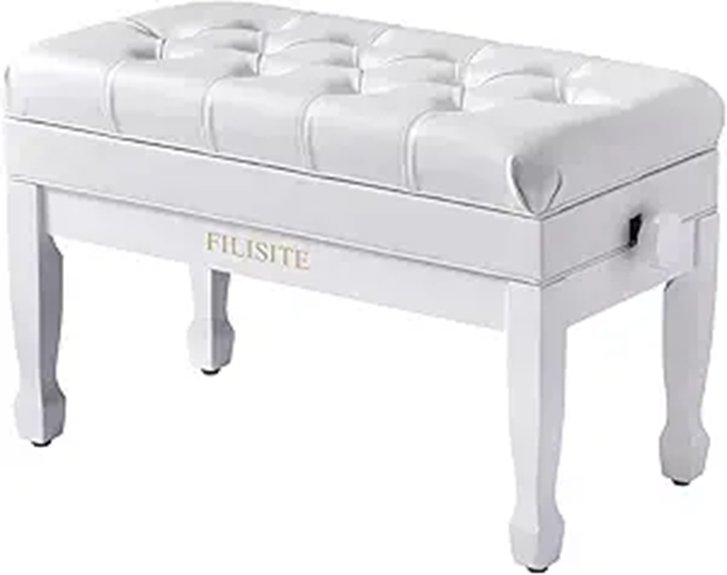
The importance of proper piano bench height cannot be overstated for any pianist. A piano bench at the right height ensures correct posture, allowing the pianist to play comfortably and efficiently. Good piano bench height facilitates optimal forearm and wrist alignment, which is critical for executing complex passages and preventing strain during prolonged piano playing, especially when considering the front half of the bench. Choosing the right piano bench is as important as selecting a good piano itself.
Piano bench height doesn’t matter, according to some – people often think taller is better but that can throw off your wrists, shoulders and the whole shebang, you feel me? So you’re gonna learn how to set your seat so your elbows sit about wrist height, legs relaxed, and you can breathe while you play; small tweaks, big difference. Want to play longer without aches?
Your feet should be flat on the floor. Adjust an adjustable bench until your thighs are parallel-ish to the floor, then tweak for comfort – you’ll notice the difference right away.
Why Bench Height Matters – Seriously
Ever noticed how a tiny seat tweak changes your tone, speed and back after an hour? If your elbows aren’t around 90-110 degrees at a keyboard that’s typically 28-30 inches high, you lose leverage for fast scales and cant apply consistent arm weight on big chords. A bench in the 18-22 inch range (45-56 cm) usually gets you there, helps wrist alignment, and cuts shoulder tension-get it off by a couple inches and you’ll feel the difference in control and endurance.
The Impact on Your Playing
?Want cleaner runs at 160 bpm and less flubbed repetition? When the bench is too low you tend to drop the wrists and overwork fingers, which kills speed and clarity; too high and your shoulders hike, fatigue sets in fast. With forearms roughly parallel to the keys you gain better finger independence, firmer staccato and more even legato. Teachers often have students adjust in 1-inch steps until elbow angle and relaxed shoulders match the passage demands.
Comfort and Technique
Tired of sore hips or tight wrists after practice? Sitting so your hips are slightly above your knees spreads weight evenly, keeps wrists neutral and lets your fingers attack keys from an efficient angle, which improves phrasing and reduces shoulder compensation. Even a 1-2 inch seat change can flip between relaxed control and tension, so fine-tune until you can play 30-60 minute sessions without shifting every few minutes.
And if you want to dial technique even further, tweak height for what you play: lower by about half to one inch for delicate finger work like Chopin nocturnes, raise a hair for heavy chordal repertoire to use more arm weight. Change the seat in small increments – 1 inch at a time – then recheck elbow angle and whether your feet sit flat. If you’re shorter than 5’2″ add a cushion or foot support; taller players often need benches closer to 22-24 inches to keep that 90-110 degree elbow sweet spot.


What’s the Ideal Bench Height?
Your ideal bench height puts your forearms parallel to the keys so you can play with power and finesse. For many adults that’s about 18 inches (46 cm) from floor to seat; taller players often prefer 19-21 inches, while kids usually need 14-16 inches. Sit, place your hands on middle C, and adjust until your elbows are slightly above the keys and your knees clear the piano – that alignment improves control, reach, and reduces slouching during long practice sessions.
Measuring Up – Finding Your Fit
Sit on a flat chair with feet planted and bend your elbows to roughly 90 degrees, then measure floor-to-seat as a starting number. Or better yet, sit at the piano, rest fingers on the keys and raise or lower the bench until your forearms are parallel or sloped slightly down toward the keys. Want precision? Note the floor-to-seat measurement and test it over a 15-minute piece to confirm it feels natural for your wrists and shoulders.
Common Bench Sizes – What to Look For
Benches typically range from 14 to 21 inches: 14-16 for children, 17-19 for most adults, and 19-21 for taller players. Seat depths are commonly 11-16 inches and widths 18-30 inches depending on solo or duet use. Adjustable models often offer 4-7 inch ranges via knobs or gas lifts; check cushion thickness and weight capacity too, since soft foam can compress and change your effective height over time.
If you gig or share instruments, pick an adjustable bench with fast, reliable adjustments so you can switch between setups in seconds. And factor in cushion compression – a 1-2 cm drop after months of use is normal, so you might start an inch higher if the seat is plush. Finally, test your chosen height with pedals engaged; your knees must clear the fallboard so your footwork stays accurate and comfortable.
Adjustable Benches – Are They Worth It?
Most people assume adjustable benches are only for beginners, but if you gig or teach you’ll see them everywhere – and for good reason. You can tweak heights between roughly 16 and 22 inches (40-56 cm) to suit footwear, repertoire or quick student swaps, which often improves wrist angle and hand control. But you’ll want one that locks solidly; a bench that creeps under weight does more harm than good.
The Perks of Going Adjustable
Believe it or not, an inch or two can change your whole technique – raising 1-2 inches gives more leverage for orchestral power, lowering helps for fast jazz comping. You get versatility: multiple players, different pedal setups, and easier travel if you pick a lightweight model. Plus you avoid repeatedly re-tilting your posture, which is huge over long practice sessions.
How to Choose the Right One
Choosing isn’t just about plush padding – check the adjustment range (aim for 16-22 in), locking mechanism type (screw-post, push-pin or hydraulic), frame rigidity and weight capacity (250-400 lbs common). Look for seat widths around 16-20 in, firm but not rock-hard foam, and enough pedal clearance so your knees don’t hit the piano; if you gig, favor under 15 lb portable designs.
Test before you buy: sit, set your elbows roughly at key level, and try the highest and lowest stops to ensure no wobble or creep. Measure with your shoes on and off – your ideal might be 18.5 in while practicing and 19.5 in for performances. And if you teach, pick one with quick-repeat reliability so you can flip between students without fuss.
My Take on Posture – It’s More Important Than You Think
Around 70% of pianists report some form of back or neck pain during their careers. So your bench height isn’t just about looks – it sets your elbow angle, wrist level and how long you can play before you tighten up. Aim for elbows near 90-110 degrees and feet flat on the floor, and you’ll get crisper technique, less fatigue and fewer surprise aches after long sessions.
What Good Posture Feels Like
When your forearms sit roughly parallel to the keyboard, your fingers move with less effort and your shoulders stay relaxed. You’ll feel your sit bones bearing weight, a slight natural curve in your lower back, and wrists that aren’t buckled up or collapsed down. Adjust the bench (typically 18-21 inches or whatever puts your elbows level) until that easy, connected feeling shows up.
Avoiding Those Dreaded Back Pains
Surveys show about two-thirds of keyboard players face playing-related back discomfort at some point, so you should treat prevention like part of your routine. Use an adjustable bench, keep feet flat, and avoid rounding your shoulders forward; small tweaks in height or distance can cut strain dramatically. If you’re short on time, even brief posture checks between pieces help.
Set the bench so your elbows are about at key level (90-110 degrees) and sit with one or two fingers’ space between the edge of the bench and your knees so you can pivot forward when needed. If your feet don’t reach, add a 2-3 inch foot riser; take a 5-minute break every 30-40 minutes and do some core and hip stretches. Strengthening your core and keeping mobility in hips and shoulders often stops pain before it starts.
The Real Deal About Foot Position
Like an anchor on a sailboat, your feet keep the rest of you steady – too loose and you drift, too rigid and motion suffers. Aim for about a 90-degree knee angle with your feet flat; that gives predictable pedal control and even weight transfer. If your heels lift or your toes dig in, lower the bench one notch or try a 1-inch wedge until things settle.
Should Your Feet Be Flat?
Like a tripod, flat feet give stable contact points and better balance under the pedals. You want your soles on the floor for quick, controlled ankle action; if you wear heels over 1 inch, swap shoes or use a small riser so your heels can sit. Try playing a scale and watch whether your ankles stay loose – that’s the tell.
Finding Your Balance
Compared to guessing, dialing foot placement actually changes tone and control – tiny shifts matter. If you’re 5’2″ you might prefer an 18 in bench height; at 6’1″ try 20-21 in, testing in 1-inch steps.
Your feet should feel anchored, not frozen.
Think of balance like tuning an instrument: set the bench so your forearms are roughly parallel to the keys and elbows sit around 90-100 degrees, keep feet shoulder-width with heels on the floor, and use ankle rotation for smooth pedaling. Test by playing slow passages with a metronome and adjust until sustain and release are consistent and your shoulders stay relaxed.
Tips to Make Your Bench Experience Awesome
Small height tweaks, even 1 inch, can change your tone and endurance, and you might be surprised.
- Set elbows roughly level with the keys – aim for about a 90° elbow angle during scales and arpeggios.
- Keep feet flat; common bench heights range 18-21 in (46-53 cm) for adults.
- Try quick tests: add 1-2 in of padding or remove a cushion, then play for 10-20 minutes to judge.
Perceiving the difference often happens within a single practice session.
Quick Changes for Comfort
You’d be amazed how a folded towel works; add 1 in and your wrist line might immediately feel freer. Try adjusting in 0.5-1 in steps, check that your forearm is roughly parallel to the keys, and make sure knees sit just below the keyboard height. If pedaling feels awkward, move an inch forward or back. Play a 5-10 minute exercise and note stamina – that tells you if the tweak helped.
Keeping Your Style in Mind
Different genres nudge you toward different heights: classical players often sit slightly higher for arm weight and pedaling control, while jazz players prefer a touch lower for wrist freedom. So, shift by 0.5-1 in depending on whether you need power or speed. You, the player, should test with repertoire: try a Liszt study then a bebop line and note which height serves each better.
Think of it like wardrobe choices for a gig – posture is part of your style. For big, heavy classical chords you might raise 1 in to use arm weight; for fast, intricate jazz runs drop 0.5-1 in to loosen the wrists. Conservatory teachers often recommend testing heights across a week: mornings for technique, evenings for pieces, and track which setting reduces tension and boosts accuracy.
Summing up
With these considerations, think of that time you sat on a too-low bench and your back screamed after an hour – annoying, right? You want your hips slightly above your knees, feet flat, forearms level; adjust a bench until it’s natural, try small changes and trust your comfort. Proper height boosts control and prevents pain, and you’ll be able to switch heights for different pieces. So pick a bench that fits you, use it, and play without the aches.
FAQ
Q: What is the ideal piano bench height for proper posture?
A: Lately there’s been a real push toward ergonomic setups and adjustable benches in home studios – everyone wants comfort that actually helps their playing, not just a pretty bench. But the short, practical rule is this: sit so your forearms are roughly parallel to the floor when your fingers rest on the keys, with elbows just slightly above the keys. That keeps your shoulders relaxed and wrists neutral, which makes everything feel easier and less sloppy.
Aim for forearms roughly parallel to the floor. So what’s that in inches? For many adults a bench height between about 18 and 21 inches works, though shorter or taller players will need to tweak it. Try sitting at the front edge, feet flat, knees under the keyboard – if your feet don’t touch, use a footstool. And if you play lots of slow expressive pieces vs. fast technical stuff, you might shift the height by a bit for better leverage – small adjustments make a big difference.
Q: How do I adjust my adjustable bench correctly?
A: First off, loosen the mechanism and raise or lower the seat in small steps – don’t yank it up or down and call it done. Sit, place your hands on middle C, and check elbow angle; if your wrists are bent up or down – adjust. Test with scales and a few pieces you know well – if the tone and control feel off, tweak again. Make small changes – tiny ones.
And don’t forget your feet: both should be flat and stable, heel on the floor, toes under the pedal when you use it. If the bench wobbles or the seat tilts when you play, that’s a deal breaker – tighten the locks, or get a steadier model. Because technique matters, so does stability – a bench that shifts will mess with balance and timing, seriously.
Q: Fixed bench or adjustable – which should I buy?
A: If you’re buying new, adjustable wins for most players. Why? It adapts for growth if it’s for a kid, it suits different players if you share the piano, and it lets you fine-tune for styles – classical might want a slightly different feel to jazz or pop. Adjustable benches come with screw-height, hydraulic or piano-style lift systems – test them, get one that locks solid and doesn’t creak.
Go adjustable if you can. But a well-built fixed bench can be perfectly fine – if it’s the right height for you and it’s rock-solid. Look for a wide enough seat for comfortable hips and a cushioned top that doesn’t sink too much. And if you gig or move a lot, check weight and build; heavy, sturdy benches stay put on stage. In the end, try before you buy when possible – sit for a few minutes, play a bit – trust what your body tells you, not just the specs.