
Over the years, you may have found yourself considering the best digital piano for your needs, and two popular options frequently come up: the Kawai ES110 and the Roland FP-30X. Both models are designed with portability and quality in mind, making them suitable for beginners and experienced players alike. In this post comparing both the Kawai Es110 Vs Roland Fp30x, we’ll explore the key features, sound quality, and overall performance of these digital pianos, helping you make an informed decision based on your preferences and playing style.
Design and Build Quality
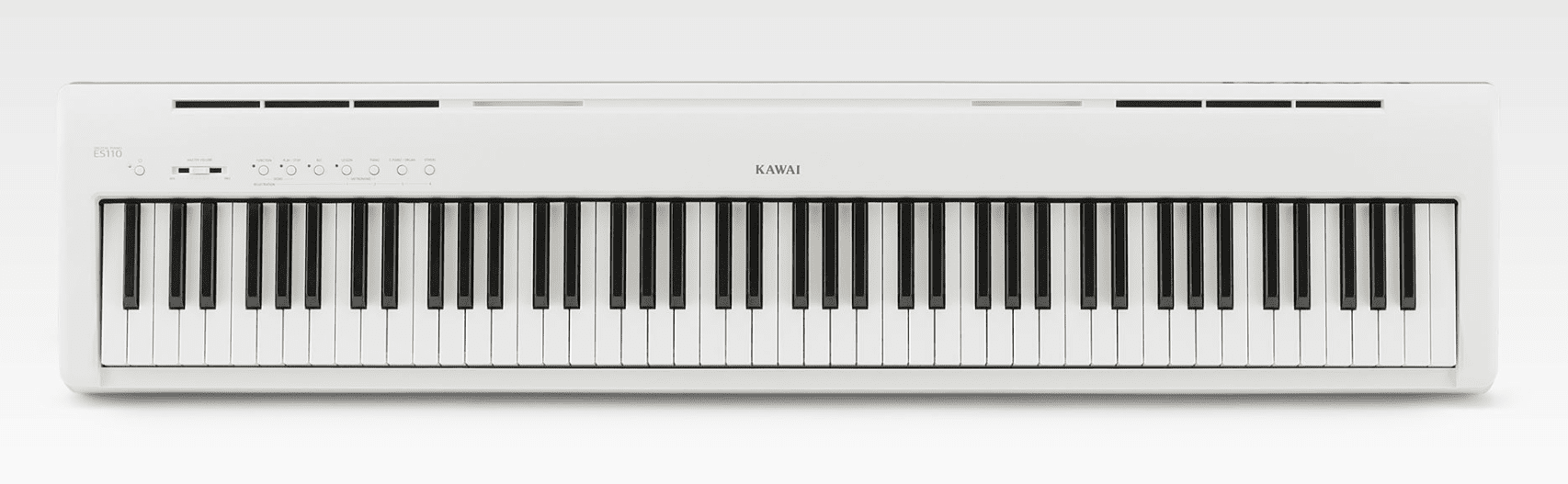
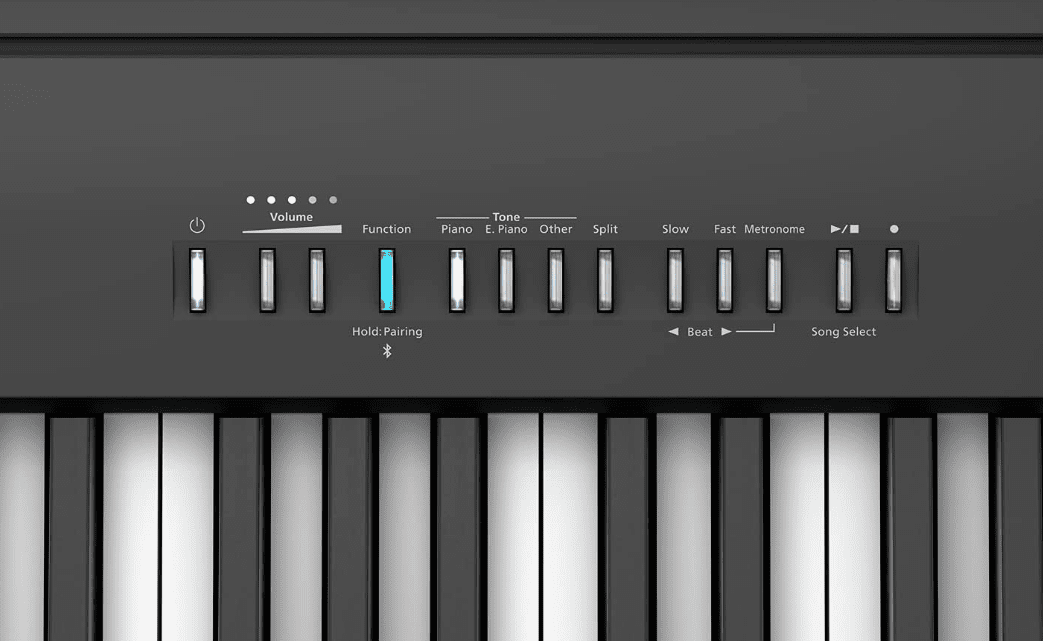
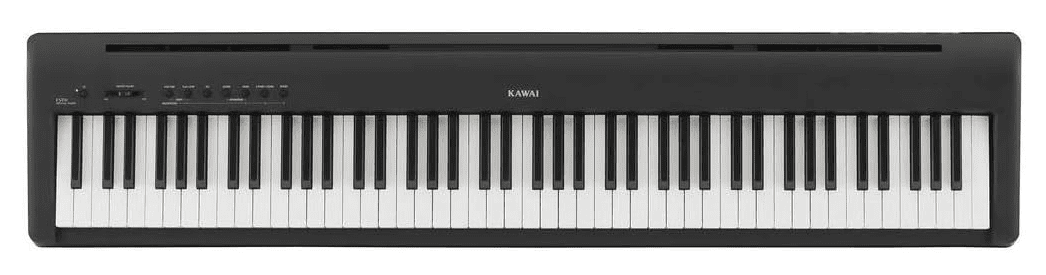
While both the Kawai ES110 and Roland FP-30 showcase sleek, portable designs, they each have unique elements that appeal to different preferences. Their compact dimensions make them suitable for various living spaces, and both models prioritize usability with straightforward control panels. The FP-30 offers a modern look with illuminated buttons, contributing to its contemporary aesthetic, while the ES110’s design remains minimalistic yet functional.
Aesthetic Features
For those who value visual appeal, the Roland FP-30 features elegant lines and a polished finish that enhance your home decor. Its illuminated control panel adds to its modern charm, while the Kawai ES110 adopts a more traditional approach with its clean, simple design, making it equally attractive for any setting.


Portability
An important consideration for many is portability, where both digital pianos excel. The Kawai ES110 weighs just 26.5 pounds, making it slightly lighter than the Roland FP-30, which weighs 31 pounds. This weight difference becomes significant if you plan to transport your piano regularly.
It’s imperative to consider how frequently you’ll move your digital piano. With the Kawai ES110 being lighter, it offers an advantage for frequent transport, while the FP-30 still provides great portability. Both models fit easily in most cars and are perfect for performances, lessons, or practice sessions at different locations. Their compact sizes also ensure they can be comfortably set up in various spaces, such as apartments or classrooms.
Sound Engine and Quality
Some differences distinguish the sound engines of the Kawai ES110 and Roland FP-30, both highly regarded for their sound quality. The ES110 utilizes Kawai’s Harmonic Sampling technology, drawing from individual samples of each key on a 9-foot real grand piano, offering a rich tonal experience. In contrast, the FP-30 employs advanced modeling technology, simulating acoustic piano behavior in real time, resulting in a highly responsive sound that adjusts to your playing dynamics.
Piano Tones
With the Kawai ES110, you gain access to eight meticulously sampled piano tones, each crafted to reflect different nuances. The combination of Harmonic Sampling ensures that you experience the unique voice of each key, making your playing feel genuine and expressive. The Roland FP-30, meanwhile, offers a superb selection of its own piano sounds, enhanced through its modeling approach for a realistic performance that reacts dynamically to your touch.
Other Instrument Voices
To expand your musical repertoire, both the Kawai ES110 and Roland FP-30 come with a variety of additional instrument voices. The ES110 features 100 sounds, including strings, organs, and synthesizers, giving you the versatility to explore different styles. The FP-30 boasts an impressive array of 35 instrument choices, alongside its piano tones, to complement your creative compositions. You’ll find that both pianos cater to diverse musical tastes, allowing you to enrich your practice and performance experiences.
Engine advancements in these digital pianos enable expressive playing across various instrument voices. The Kawai ES110 supports not only traditional tones but also nuanced settings thanks to its adjustable features, providing you with ample opportunities for customization. Similarly, the Roland FP-30 maintains high fidelity in its instrument sounds, although it offers fewer options compared to the ES110. Both instruments, however, ensure that you can transition smoothly among different musical styles, making them excellent for your diverse playing needs.

Polyphony and Performance
Assuming you’re considering the Kawai ES110 and Roland FP-30X, understanding their polyphony capabilities and performance features is necessary for your playing experience. Both digital pianos cater to the needs of beginners while also supporting more advanced techniques.
Polyphony Comparison
About their polyphony, here’s a quick comparison:
| Kawai ES110 | Roland FP-30X |
|---|---|
| 192-note polyphony | 128-note polyphony |
Performance Features
By focusing on performance features, both pianos offer a range of functionality to enhance your playing. You get split and dual modes, allowing you to create unique sounds and harmonies as you practice and perform.
Another advantage is the responsiveness of both keyboards, with Kawai’s hammer action and Roland’s touch sensitivity offering a realistic playing experience. The FP-30X features five touch sensitivity levels, enhancing expressiveness, while the ES110 provides a solid foundation with three levels, supporting your growth as a musician. With these features, both models cater to your needs as you progress in your piano journey.
Key Action and Touch
Unlike the Kawai ES110, which features a solid, yet simpler key action, the Roland FP-30 utilizes a more advanced mechanism that allows for greater expressiveness. The FP-30 offers a 5-level touch sensitivity, making it easier for you to adapt your playing style as you progress. In contrast, the Kawai ES110 has 3 levels of touch sensitivity, providing a reliable, but less nuanced response for beginners.
Keyboard Mechanism
To understand the differences in key action between these two models, it’s important to note that both have full 88-key weighted keyboards. The Roland FP-30 employs a more sophisticated hammer action with three sensors for each key, enhancing the responsiveness and allowing for a more realistic playing experience. Meanwhile, the Kawai ES110 utilizes traditional hammer actions to achieve a similar effect, though it may not match the level of sophistication found in the FP-30.
Feel and Response
At the core of your playing experience, the feel and response of each keyboard are imperative. The Roland FP-30’s artificial ivory and ebony keytops provide a premium touch, simulating the look and feel of an acoustic piano. This high-quality surface allows for better control during your playing sessions. In contrast, the Kawai ES110 features matte keytops that offer a satisfactory grip while practicing. However, you may notice a slight inconsistency in key spacing, which could impact your overall comfort and ease of playing.
It’s imperative to consider how these differences in feel and response will affect your playing style. The FP-30’s more advanced key action and premium keytops give you a realistic and dynamic experience, allowing you to express yourself more freely. Alternatively, the Kawai ES110 provides a solid foundation for beginners with its dependable touch, although you may experience some limitations as you progress in your skills. Ultimately, your choice should reflect your preferences as you advance your piano journey.
Connectivity Options
For modern musicians, connectivity options are important for enhancing your playing experience. Both the Kawai ES110 and Roland FP-30 offer USB and MIDI connectivity, facilitating seamless integration with computers and music software, important for practice and recording sessions. Additionally, the presence of audio inputs and outputs allows you to connect external devices for improved sound quality and performance flexibility.
USB and MIDI Connectivity
Any serious musician will appreciate the MIDI functionality of both the Kawai ES110 and Roland FP-30. Each instrument features USB MIDI connections, enabling direct communication with your DAW or software synthesizers, streamlining your setup for composition, recording, or practice.
Audio Outputs and Inputs
Outputs are a significant consideration for performers. The Kawai ES110 and Roland FP-30 both come equipped with standard audio outputs that allow you to connect to external amplifiers or PA systems, ensuring your sound carries in any setting. Additionally, the FP-30 offers a headphone output, which is ideal for private practice without disturbing others.
MIDI support extends beyond just connectivity; it allows you to connect your digital piano with various devices. This capability enhances your performance options, such as using software instruments or recording your music. The Kawai ES110 provides clear audio outputs for effective performance, while the Roland FP-30’s powerful speakers render a rich sound experience, making it suitable for most living spaces or gigs. With these options, you can explore a vast world of musical possibilities.
Additional Features
Many features set the Kawai ES110 and Roland FP-30 apart from traditional pianos, enhancing their versatility and usability. Both models come equipped with various digital tools that cater to modern players, providing you with options to customize your learning and playing experience beyond basic operation. Whether you are looking for sound variations or built-in functions to enrich your musical journey, both pianos deliver valuable features.
Built-in Rhythms
Between the two models, the Kawai ES110 boasts over 100 built-in rhythms, offering diverse styles to accompany your playing. The Roland FP-30 also features a variety of rhythms but focuses more on traditional piano sounds. Depending on your needs, each can enhance your practice sessions or performances.
Learning Tools
Beside the built-in rhythms, both digital pianos come with engaging learning tools that aid in your development as a pianist. These tools are designed to help you master the keyboard more effectively through interactive functionality that tracks your progress.
Rhythms and learning tools on both the Kawai ES110 and Roland FP-30 enhance the practice experience. The Kawai model’s diverse rhythms can make learning more enjoyable and musically versatile, while Roland’s features allow you to connect with a wider array of music styles. Plus, both pianos come with lesson modes, which provide structured guidance to develop your skills efficiently, ensuring you get the most out of your digital experience.
Comparing The Kawai Es110 Vs Roland Fp30x Conclusion
With this in mind, choosing between the Kawai ES110 and Roland FP-30 ultimately depends on your personal preferences and playing style. If you value sound customization and a slightly lighter piano, the Kawai ES110 may be the right fit for you. Conversely, if you prefer a more sophisticated sound modeling technology and enhanced touch sensitivity levels, the Roland FP-30 would serve you well. Both pianos are excellent options for beginners, so consider what’s most important for your musical journey.