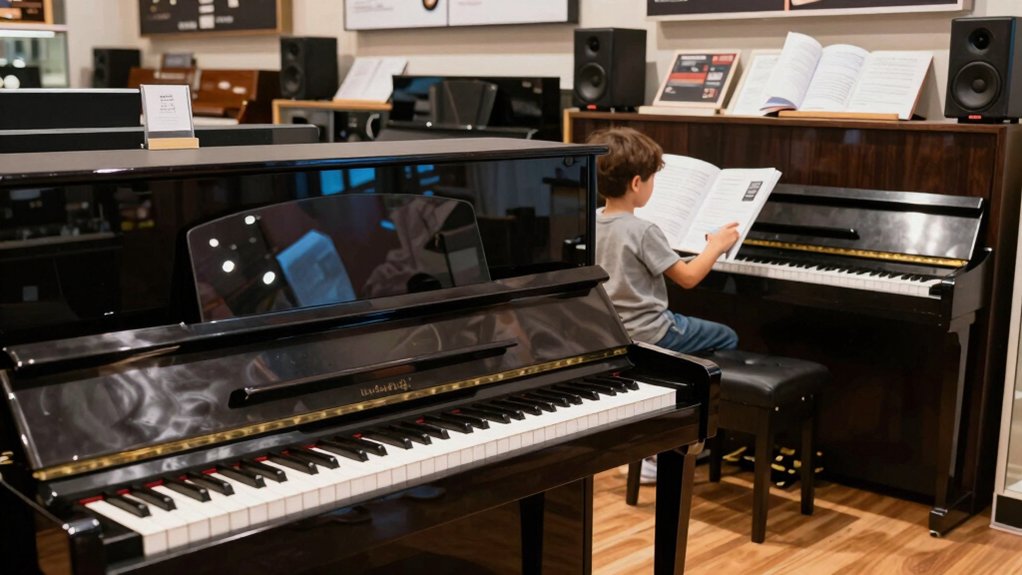
Buying a digital piano is one of the most important decisions you’ll make as a musician, whether you’re a complete beginner taking your first steps into the world of piano or an experienced player looking to upgrade your home practice setup. When buying a digital piano, you’ll face a bewildering array of options ranging from budget-friendly models under $300 to professional-grade instruments costing several thousand pounds, each promising different features, sounds, and playing experiences.
Chances are you don’t realize how many beginners buy a digital piano for flashy presets instead of real piano feel. You’ll want to compare practice needs versus performance potential before you spend, or you’ll waste money on features you’ll never use. Do weighted keys and true touch actually matter for you? There are budget traps, compatibility quirks, and growth paths you’ll want to map out now. Keep this in mind as you examine your options.
Decide Between Practice-Focused or Performance-Focused Buying
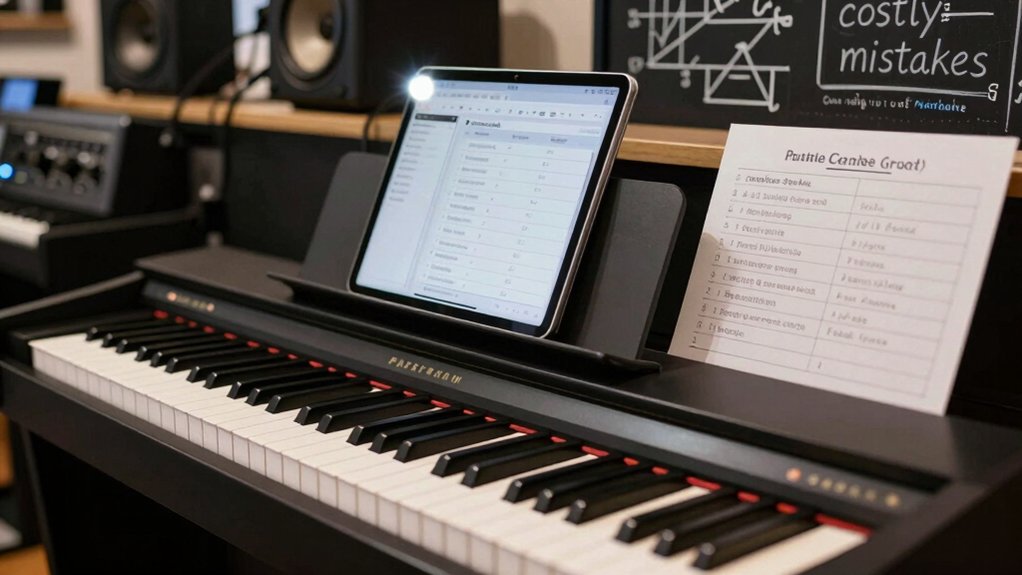
When you’re choosing a digital piano, start by deciding whether you want a practice- or performance-focused setup, because that choice drives almost every other feature you’ll consider. You’ll weigh portability, budget, and feature density against your real use case.
If practice dominates, prioritize reliable metronome, headphone output, layered sounds, and durable build without overpaying for stage-ready bells.
For performance, demand a responsive keyboard, robust speaker system, extensive splits, and MIDI I/O to integrate with gear you’ll actually use live.
Read digital piano accessories and online reviews with skepticism: claims often mingle marketing puff with genuine need. Don’t assume more presets equal better value; verify after-sales support, warranty terms, and compatibility with your existing setup.
Separate must-haves from nice-to-haves to avoid buyer’s regret.
Do Weighted Keys and True Touch Matter for You?
Weighted keys and true touch aren’t cosmetic add-ons—they’re core signals about how a digital piano actually feels and responds. You’ll notice the difference when you press harder or softer and the action moves at a different pace.
Weighted keys simulate gravity and resistance; true touch aims for consistent response across dynamic ranges. But do you need them to be perfect replicas of an acoustic piano? Probably not.
The key question is whether the keyboard’s feel aligns with your technique and goals. Some models offer adjustable weights or graded hammer action, others are passable with light springy action.
If you play classical or rely on nuanced dynamics, weighted keys and true touch matter more. If you mainly dabble or practice habits, less exact replication might suffice.
Assess comfort, consistency, and long-term learning.


Which Built-In Sounds and Features Are Worth It?
Beyond just the look and feel, built-in sounds and features determine how useful a digital piano will be in real practice. You shouldn’t assume more is better; quality matters, not quantity, and some options waste space without improving playability. Scrutinize sound quality and feature variety to match how you actually practice, not how you imagine pro use.
Look for realistic piano timbres, reasonable keyboard responsiveness, and useful layering or splitting options that align with your goals. Avoid gimmicks that add clutter or drain memory without benefit.
- Sound quality: prioritize realistic piano tones and dynamic response over novelty presets
- Feature variety: seek essential tools like layering, split, metronome, and simple recording
- Usability: check menu depth, update reliability, and hardware stability
What’s a Sensible Budget for a Beginner?
With the right reasoning about sounds and features in mind, you can set a sensible budget that reflects real practice needs rather than hype. Start with budget planning that matches your goals: daily practice, lessons, and future growth.
Don’t assume more money always equals better playability; many affordable models deliver solid weighted keys and reliable MIDI. Target a practical range for beginners—enough to avoid frequent upgrades, but not so high you pressure yourself into overbuying.
Consider brand reputation for service, parts, and long-term support; a budget-friendly brand with good updates can outperform a pricier, unreliable option.
Prioritize accurate key action, built-in metronome, and essential connectivity over flashy features. Be prepared to adapt as you progress, not trapped by a premature, oversized purchase.
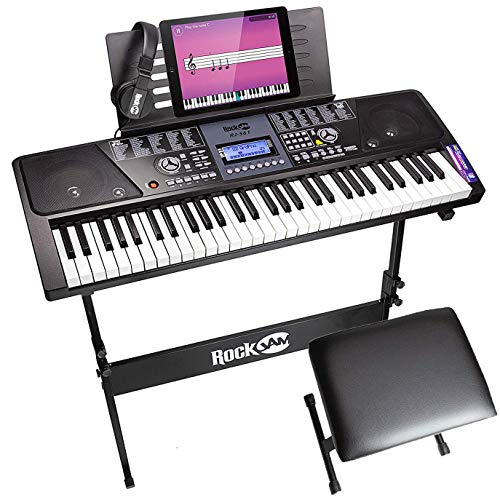
How to Check Compatibility Now and for Future Growth
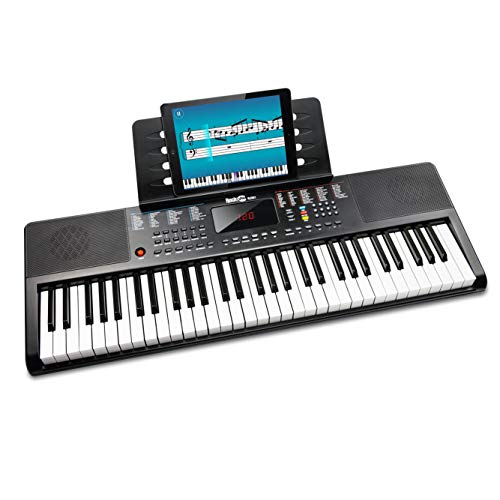
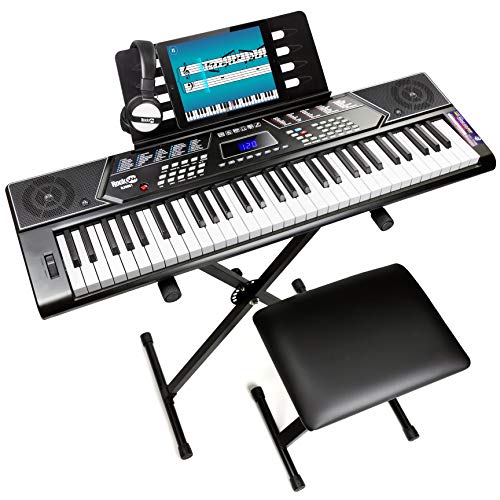
When evaluating compatibility now and for future growth, start by mapping how the piano will fit your current setup and how it can scale as you improve. You’ll assess input/output options, pedal behavior, and key action across models, focusing on reliable Key compatibility and how updates may affect connectivity.
Be skeptical of claims about “universal” USB or Bluetooth, and verify MIDI, sustain, and clock sync with your gear. Compare Digital piano brands for consistent firmware, keybeds, and expansion support.
Plan for future add-ons like external speakers or audio interfaces, ensuring ports and power requirements align. Stay concise with specs and avoid vendor hype.
- Check Key compatibility and MIDI/USB interoperability across brands
- Validate future expandability, firmware updates, and port availability
- Confirm real-world reliability over specifications and marketing claims
Conclusion
You’ll want to weigh what you’ll actually want to play, not what dazzles with demos. Don’t dive for dazzling sounds or flashy features; instead, demand dependable, responsive action—weighted keys, true touch, and honest feel. Be budget-savvy, balancing basics with future growth. Check compatibility now, plan for upgrades later, and persevere through prudence. Practical, patient, precise planning prevents pricey, pointless purchases, paving principled progress. Prioritize performance with purpose, and practice persists, purchasing with precision.