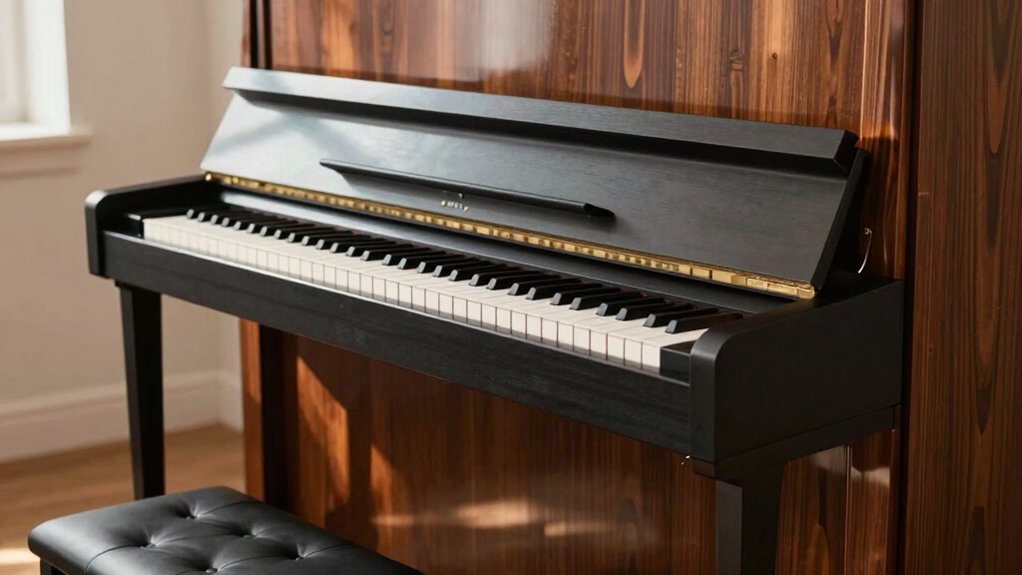
When you’re deciding between a digital piano vs acoustic piano, you’re not just choosing an instrument – you’re making a decision that will shape your playing experience, affect your wallet, and determine how much space you’ll need in your home. The digital piano vs acoustic piano debate has divided musicians for decades, with passionate advocates on both sides claiming their choice offers the superior playing experience.
Ever since you started comparing digital pianos to acoustic ones, you’ve sensed a quiet revolution: tech now mimics touch and tone with startling fidelity. But the real question isn’t which sounds more impressive in a showroom, it’s which endgame you’re chasing—portability and consistency, or long-term tonal depth and expressive nuance. The truth isn’t fixed, and your setup will reveal more than specs ever will. So what will your choice say about your musical future?
What Makes Digital Pianos Sound Today?
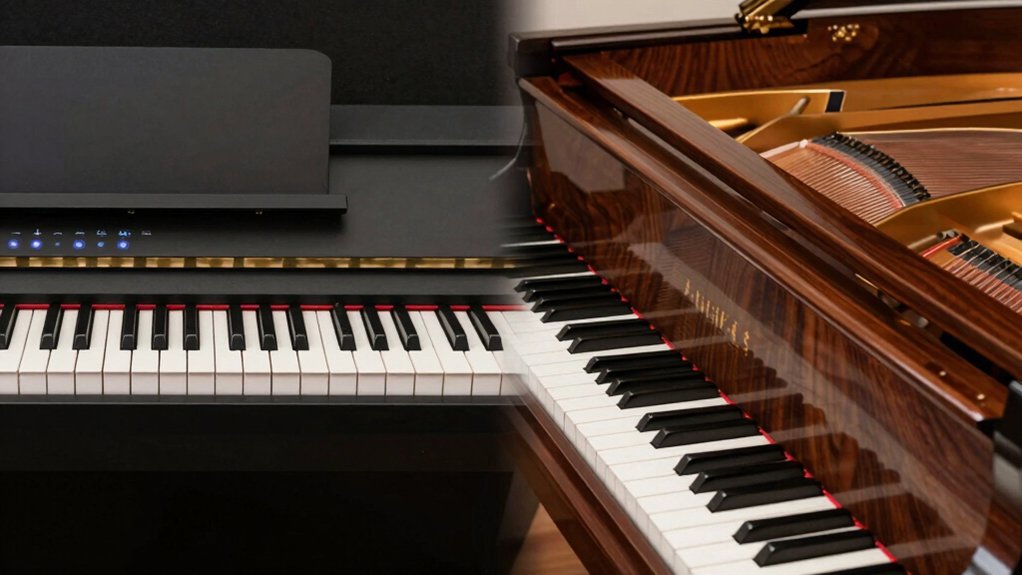
Digital pianos sound today because of a tight feedback loop between sampling quality, sound modeling, and physical keyboard feel. You’re not just listening to samples; you’re experiencing calibrated interactions that map intent to response. Sampling quality sets the baseline, but it’s the modeling and interpolation that keep notes coherent across dynamics and articulation.
You’ll notice that velocity curves, aftertouch, and pedal behavior aren’t afterthoughts—they’re core fidelity levers. MIDI integration lets you blend external gear and software into a single tactile ecosystem, preserving expressiveness without breaking the chain. Digital sound customization seals the deal: you tailor timbre, ambience, and response to your room and style, not the other way around.
The result is a flexible, repeatable tone path that challenges traditional assumptions about realism and control.
Acoustic Pianos as the Tone Benchmark
Acoustic pianos set the tone benchmark because their sound, action, and harmonics are inseparable from touch. When you hear a genuine instrument, you’re hearing decades of craft align with acoustic physics, not a digital model’s approximation.
The historical tone those pianos deliver isn’t just about loudness or sustain; it’s about how the harmonic series interacts with the cabinet, strings, and soundboard under your fingers. You’ll notice how the decay carries character, not a preset curve.
That’s where craftsmanship quality matters: precise voicing, hitch-free action, and stable intonation across registers. In short, the benchmark rests on a living, responsive system that digital pianos chase.
If you value tonal honesty and long-term consistency, you’ll treat acoustic pianos as the standard to critique others against.




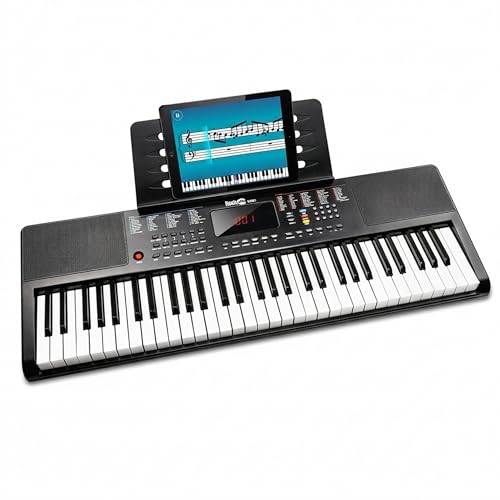
How Touch, Dynamics, and Pedals Compare
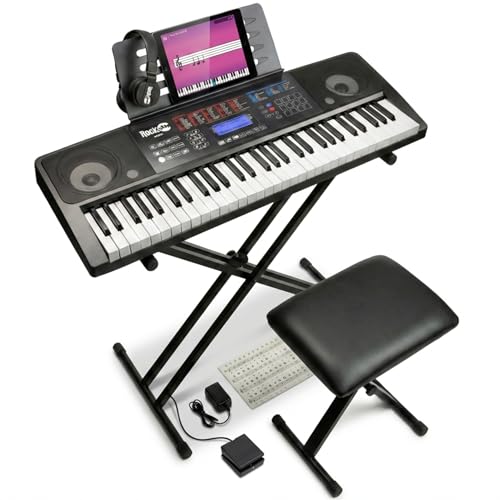
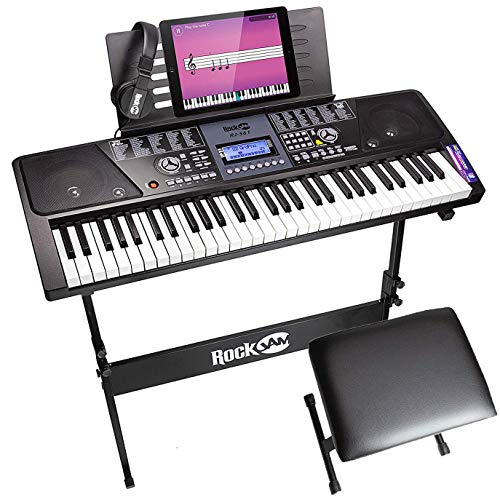
Touch and feel aren’t afterthoughts; they’re the core of how a piano responds, and that response cascades into dynamics and pedal work. You’ll notice that keyboard sensitivity defines the tonal and dynamic palette you actually control, not just a binary on/off.
Digital actions often simulate touch, but the feel can be inconsistent across velocity ranges, complicating expressive intent. Acoustic keyboards reward subtle releases, weight, and gradual key travel, yielding a more honest dynamic continuum.
Pedal responsiveness matters just as much: it’s not only evasion or sustain, but how promptly you influence legato and resonance. In practice, a truly expressive instrument harmonizes accurate touch with reliable pedal cues, enabling you to shape phrasing and intensity.
The better the touch system, the closer you approximate the acoustic benchmark without sacrificing precision.
Costs, Maintenance, and Space for Your Setup
Costs, maintenance, and space aren’t afterthoughts; they’re the practical barometer that separates setups you’ll actually keep from ones you’ll outgrow. You want a setup that doesn’t destabilize your room or your budget. Digital pianos generally win on cost and upkeep: lower price tags, fewer moving parts, no tuning curse, and a compact footprint.
But space isn’t free, and cheaper models pressure you to upgrade as your learning curves tighten; you’ll notice compromises in touch and timbre as you broaden genres. Acoustic pianos demand more stewardship—regular tuning, humidity control, sturdier stands—but they reward long-term value for dedicated players.
Consider music genres you chase and whether quick, frequent practice wins trump authentic resonance. Your choice should align with future goals, not today’s impulse.


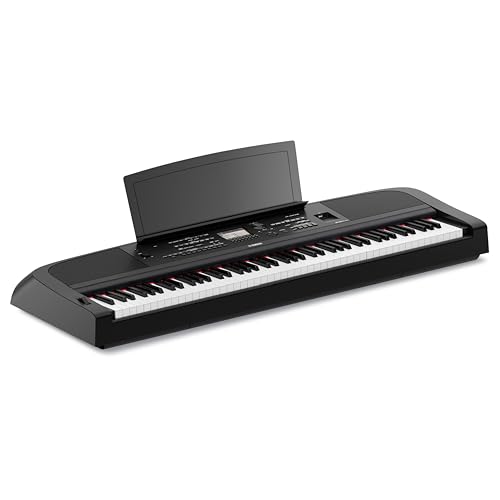
Pick Your Best Fit: A Simple Decision Framework
To pick your best fit, start with a simple decision framework: map your priorities to three axes—feel, tone, and commitment. You’ll compare keyboard action and tactile feedback (feel), the target sonic character (tone), and how seriously you’re prepared to invest time, money, and maintenance (commitment).
Prioritize MIDI integration if you want seamless production or teaching workflows; lanes for practice soloing may shift toward a piano with realistic hammer action. Consider portability factors if you tour, live, or commute between spaces; lighter, compact models win here, but you’ll trade in resonance or the nuanced timber of a grand.
Be ruthless about deadlines: a tempting baseline can become a costly anchor. In the end, your decision reflects how you balance realism, ambition, and everyday use.
Digital Piano Vs Acoustic Piano Conclusion
So here’s the bottom line: digital pianos give you bang for your buck, portability, and rock-solid consistency, while acoustic pianos offer irreplaceable voice and soul that only years of timber and string can grant. Your choice hinges on priorities—not just sound, but long-term goals, maintenance, and space. If you chase immediacy and practicality, digital wins. If you crave true expressiveness and timeless resonance, the acoustic is the stubborn, faithful companion you’ll grow into—like a weathered compass guiding your craft.