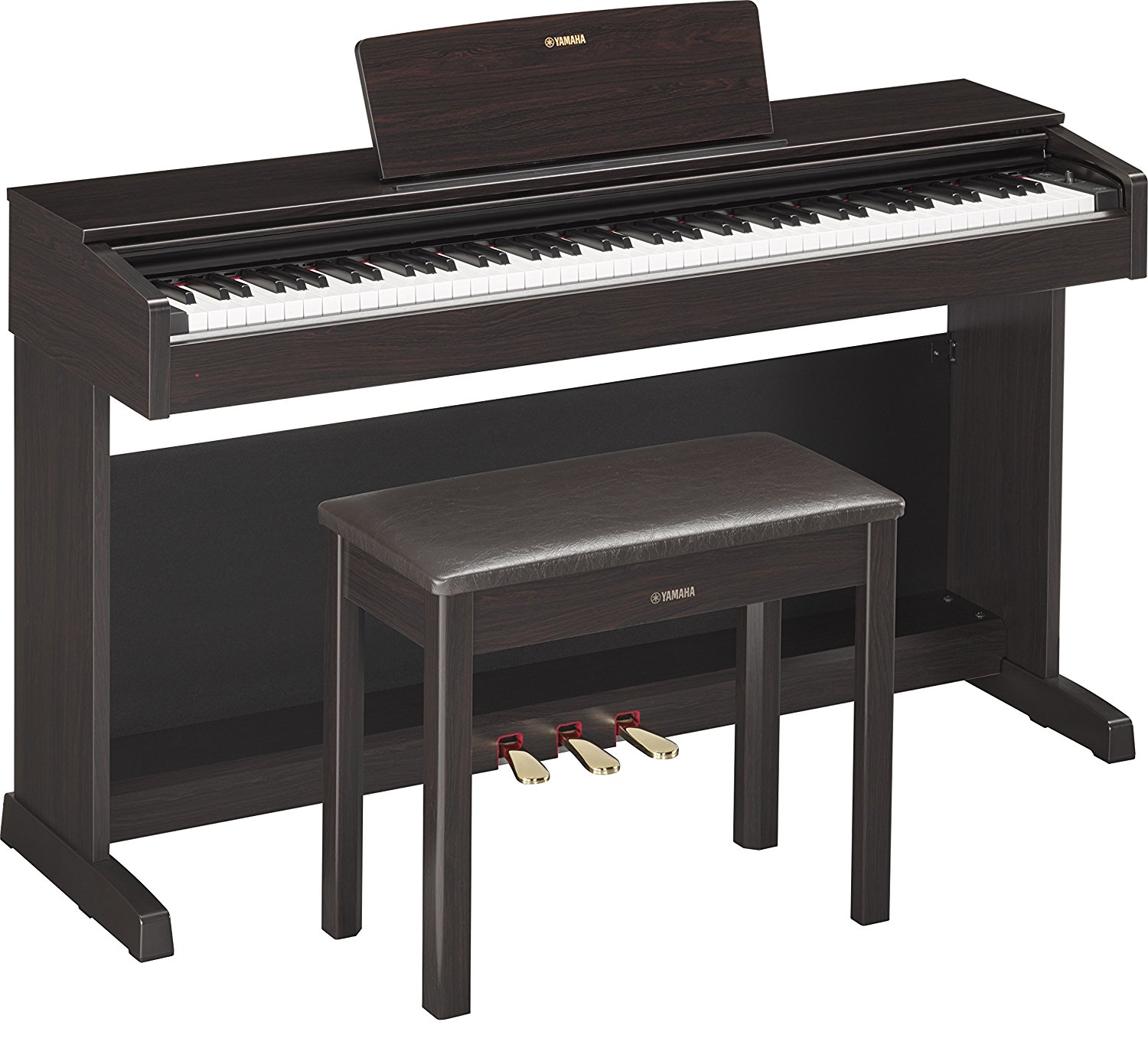
Deciding between a portable keyboard or console digital piano fundamentally shapes your playing experience, home aesthetics, and long-term satisfaction through differences that extend far beyond appearance into sound quality, key action stability, speaker performance, and practical usability.
Portable keyboards offer flexibility to relocate instruments between rooms, easier moving during house changes, and lower initial costs when purchasing without stands and benches, while console digital pianos provide furniture-quality aesthetics, superior built-in speakers with larger cabinets, and stable playing platforms that eliminate wobbling common with portable setups on budget stands. This comprehensive comparison reveals the specific advantages and compromises inherent in each design philosophy, which lifestyle situations favor portability versus permanent placement, how construction differences affect sound projection and playing feel, and exactly which piano type matches your actual space constraints, aesthetic preferences, and realistic usage patterns.
You’ll notice a coincidence: your needs shift as you move between gigs and quiet practice nights. So, do you value portability or playability more? Consider how you’ll use it day to day—lightweight and battery-powered for stage hopping, or a fuller touch and richer sound for at-home sessions. There’s a practical line to tread, and the answer isn’t just about size or price; it’s about which compromises you’re willing to live with as you pursue your everyday music.
Decide Fast: Portability or Playability First
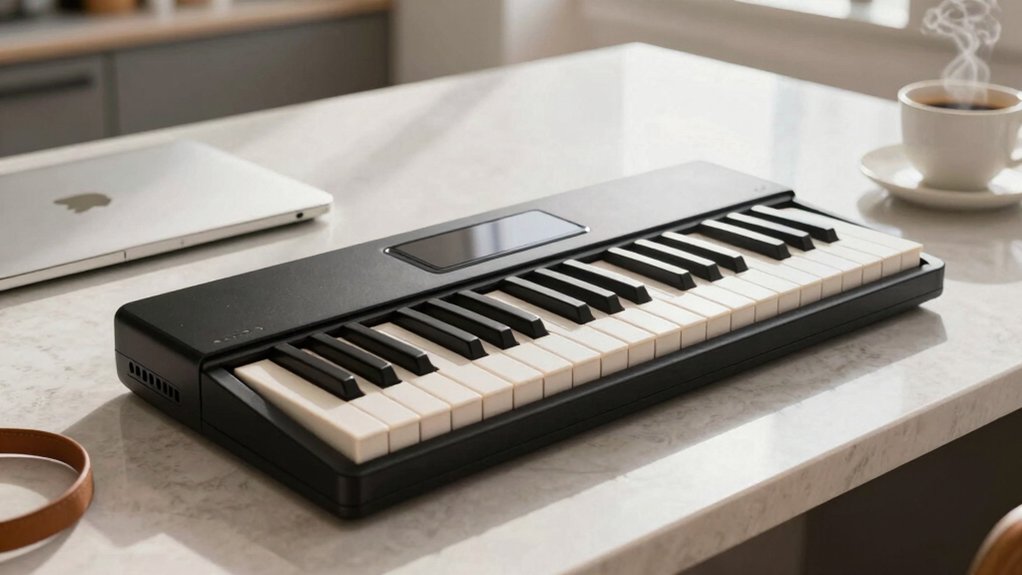
When choosing between a portable keyboard and a console digital piano, you don’t have to overthink every feature—you should pick the core priority first. Decide whether portability or playability drives your day-to-day use, then filter options accordingly.
If you roam between rooms, gigs, or lessons, portability wins, and you’ll value lighter weight, compact size, and battery-ready power.
If your priority is authentic touch and rich sound for serious practice, playability takes the lead, even at the expense of bulk.
Align choices with your musical genres and learning levels: beginners benefit from broader feature sets and guidance, while advanced players demand responsive keys and expressive control.
In short, choose the constraint that will keep you practicing consistently, then evaluate details within that frame.
Test Action and Feel: How Keyboard Touch Impacts Your Play
A lighter, more responsive keyboard isn’t just a comfort—it’s a performance lever. Your decision on keyboard touch shapes your playing experience from the first note. If you crave precise articulation, you’ll value a fast action with manageable resistance; it lets you shape dynamics without overexertion.
Conversely, a heavier, more deliberate feel builds a sense of control for slow, expressive lines, but can slow your tempo. Consider how the action responds to subtle depressions, not just full presses. Test rebound and consistency across the octave; inconsistency breaks concentration.
For beginners, a forgiving touch reduces fatigue and encourages daily practice. For performers, a nuanced touch supports phrasing and tempo rubato. In short, keyboard touch directly informs technique development and your overall playing experience.
Sound and Power: Built-in Speakers, Amps, and Battery Options
Sound output and power options determine where you can actually play. Built-in speakers vary in size, so you’ll feel the room’s resonance in the bass and presence in the mids.
If you’ll record or perform, check the amp configuration and distortion handling, since clean power delivery matters as much as wattage.
Sound clarity hinges on speaker quality, cabinet design, and any onboard DSP that shapes dynamics without mud.
Battery-powered models offer portability, but you’ll trade headroom for quiet operation and shorter sessions, so plan usage accordingly.
For practice, consider whether the mains option delivers consistent power or if you need an external amp.
Power output matters less at home than stability and headroom during lively passages.
Evaluate hybrid modes that balance onboard sound with external amplification.
Size and Weight for Travel vs. Home Use
Size and weight dramatically shape where you’ll actually use a portable keyboard or console piano. When travel and setup matter, you’ll notice ergonomic design influences how easily you carry, lift, and position it. Lighter units win for quick gigs; heavier builds justify stability and feel at home.
For daily use, think about how compact dimensions affect storage and your posture during practice. Aesthetic appeal matters too, because a unit that looks comfortable in your living space or studio invites regular play.
Balance portability with build quality, so you don’t trade durability for convenience.
- You’ll feel the difference between a featherweight carry and a solid, studio-ready feel.
- A design that blends into your space enhances your motivation to play.
- Ergonomic design becomes invisible ease during extended sessions.
Price and Value: Balancing Budget, Features, and Long-Term Worth
Price and value hinge on finding the right balance between upfront cost, useful features, and long-term payoff. You’ll weigh how much you pay now against versatility like piano tones, metronome options, recording capabilities, and USB connectivity.
Focus on whether features align with your musical genres and your learning levels, not just hype. A higher sticker price can be worth it if it supports steady practice, durable construction, and reliable action that feels closer to an acoustic piano.
Conversely, a budget model with limited touch sensitivity or insufficient polyphony may save money now but hinder growth. Seek a model that sustains interest, supports scalable learning, and resales reasonably well.
Informed choices yield lasting satisfaction beyond first impressions.
Practical Pick: Match Your Lifestyle to a Clear Recommendation
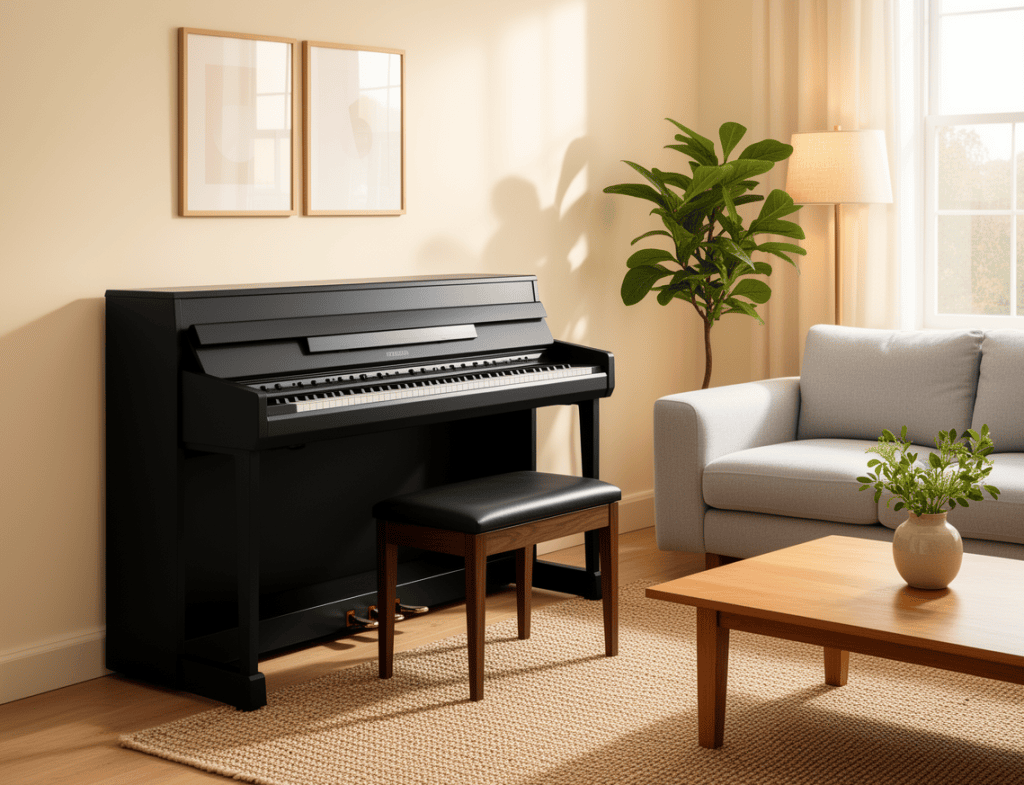
Consider how your daily routine and space shape what you actually reach for: a light, portable setup for spontaneous play or a feature-rich unit for long practice sessions.
Weigh portability against the features you’ll use most, so you don’t pay for bells you won’t ring.
With your budget in mind, a practical pick should align with your lifestyle, not just your wishlist.
Lifestyle Fit Guide
If you’re juggling space, budget, and portability, a portable keyboard beats a full console for quick setup and flexible use; it travels light, fits on a lap or a small desk, and still delivers real piano feel.
- You’ll pick up instant versatility, shaping practice around your musical genres and learning levels without clutter.
- It stays budget-smart yet capable, encouraging experimentation and steady progress on your terms.
- You’ll feel empowered to adapt sessions to an era of quick breaks, remote lessons, and evolving goals.
This guide favors practical fit: assess genres you enjoy, ensure learning paths match your level, and choose a keyboard with responsive keys, reliable connectivity, and scalable features for growth.
Portability vs Features
Balancing portability with features means choosing what truly supports your daily routines. When you compare options, prioritize how often you’ll move the instrument, set it up, and practice in varied spaces.
A lighter unit wins if you commute, rehearse in tight rooms, or teach on the go; heavier consoles justify richer sound, tactile keys, and extended connectivity if you stay rooted at home or in a studio.
Consider musical versatility: can the instrument cover diverse genres, layers, and accompaniment needs without constantly tapping menus?
Also weigh aesthetic design—does the look align with your space and mood, influencing your willingness to play?
The practical pick favors a clear balance: enough features to satisfy your practice goals, without sacrificing portability you’ll actually use.
Consider An Extended Warranty For Your Instrument
Budget Practicality Tip
Budget practicality tip: match your spending to how you’ll actually use the instrument. You don’t need the flashiest model to get real value; you need cost efficiency that aligns with your routine, practice time, and performance goals. Prioritize a dependable build and reliable components over bells and whistles, since durability reduces long-term costs and frustration.
Consider whether you’ll play daily on a couch-side setup or travel occasionally to gigs—these choices shape your investment. Brand reliability matters because consistent firmware, keyboard feel, and warranty support protect your budget over years, not months. Choose a model that fits your life, not the trend.
- You’ll feel confident buying once you know your true usage and budget boundaries.
- Reliable brands reduce maintenance headaches and hidden costs.
- A focused purchase rewards steady progress over flashy features.
Conclusion
If you’ve got gigs on the go or tight spaces, a portable keyboard keeps you in motion—think light, battery-powered sessions and quick setup. If you mostly practice at home or in a studio, a console digital piano rewards you with authentic touch and richer tones, a true centerpiece. Bottom line: choose portability to stay flexible, or playability to improve, and let your daily routine decide. Your future jams, your best fit—clear as day, once you listen to what you actually need.