An Overview of the Different Types of Pianos
Perhaps no other instrument has as much variety as the piano. With grand pianos, uprights, digitals, and more, the musical possibilities are endless! So without further ado, let’s explore the landscape of pianos and provide an overview of the different types. From classic to contemporary, there is something for every aspiring pianist out there. We’ll discuss their characteristics, compare their distinctions, and offer advice on which type might be best for individual players. So fix your mug of coffee, settle back in your chair, and get ready to explore the many different types and varieties of pianos!
Quick Breakdown
Common types of pianos include grand pianos, upright pianos, digital and hybrid pianos. Grand pianos come in various sizes and ranges from concert grand pianos to baby grand. You can check the types available to buy, here or carry on reading for further advice.
Digital Pianos
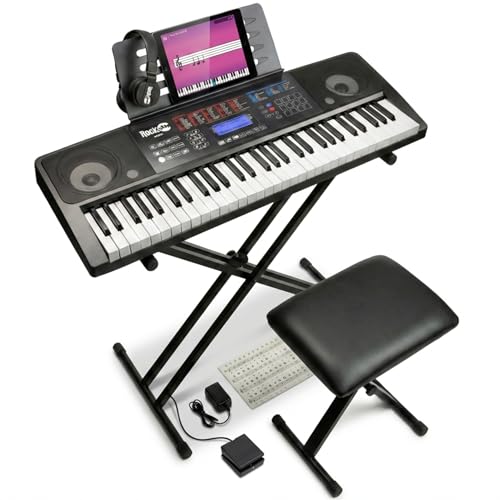
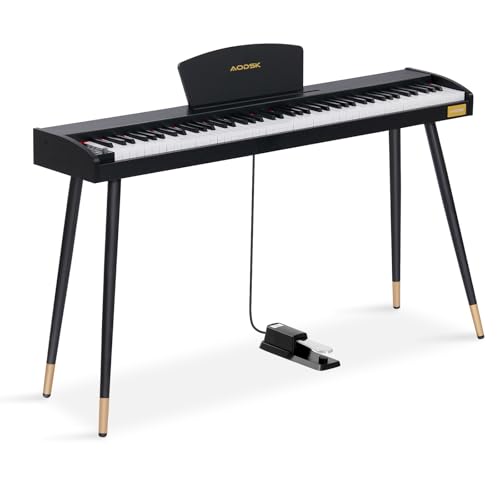
Digital pianos have revolutionized the music industry and are an extremely popular choice for a variety of reasons. In essence, digital pianos are just like acoustic pianos except they use electronic components instead of strings and hammers to produce sound waves. As a result, digital pianos can provide musicians with more flexibility in terms of sounds and technologies.
One major benefit of digital pianos is portability. Unlike acoustic models which can be quite large and need to remain in one place, digital pianos are light and small enough to move from place to place with ease, making it ideal for musicians who travel or perform often. Additionally, since virtually all digital pianos connect to computers, they may also allow musicians access to a wider range of music software such as synthesizers, drum machines, and sequencers.
Another great advantage of digital models is that they typically cost less than traditional acoustic ones. This means those interested in learning or practicing the piano on a budget can still do so with an affordable instrument. Additionally, since digital pianos don’t require regular tuning like their acoustic counterparts – making them easier to maintain – they present a very cost-effective option.
Not everyone believes that digital models offer the same sound quality as traditional acoustic instruments however. Despite the fact that digital technology has made great strides in recreating the nuances of an acoustic piano’s tone, some purists argue that pure acoustics – powered only by wooden frames and strings – cannot be matched digitally.
Finally, while it can be argued that advanced technology is what makes digital pianos so incredible, some people may never feel as if this compensates for the lack of physical contact between musician and instrument found in its traditional counterpart. It takes more practice to fully utilize the features available in a digital piano and create vivid pieces compared to simply playing freely on traditional acoustic models.
That being said, acquiring knowledge and proper technique is important no matter what type of instrument is used – ultimately, it is up to personal preference when selecting an audio output device.
Having discussed Digital Pianos thoroughly, we now turn our attention to Acoustic Pianos in the next section.


Top Highlights
Digital pianos offer many practical benefits over traditional acoustic models, such as portability and cost-effectiveness. While some musicians feel that digital technology will never match the sound quality of an acoustic piano, they still provide their own unique advantages, such as access to a wider range of music software. Ultimately, it comes down to personal taste in terms of selecting an audio output device.
Acoustic Pianos
Acoustic pianos have long been the standard in homes and performance spaces, as they provide a full, sounding effect that is difficult to replicate with any other instrument. These instruments feature several parts: strings, hammers and dampers all of which are activated by keys on the keyboard. When the key is pressed, it activates the string which then creates a sound when placed under pressure from the hammer.
Dampers mute the string so that only one note is heard at a time. Acoustic pianos are considered to be more versatile instruments than other types due to their clarity of sound and greater dynamic range.
Another major benefit of acoustic pianos is that they require minimal maintenance; aside from regular tuning, these instruments can last for years without needing any repairs or adjustments. Furthermore, they are often easier to transport than electronic models, though they may be bulkier in size.
On the downside, some users might find their heavy weight and large size impractical if they lack space or move frequently. Some additional cons include stubbornness when maintaining its tuning due to changes in humidity or temperature, as well as its limited tones compared to digital counterparts.
Given both its pros and cons, acoustic pianos remain a popular choice amongst music aficionados worldwide. From concert halls to homes, acoustic pianos have stood the test of time as an iconic symbol of music throughout history.
Now that we’ve gone over the most classic type of piano – acoustic pianos – let’s move along to upright pianos in the next section.


Upright Pianos
Upright pianos, also commonly known as verticals or vert grands, feature a compact and convenient design. They usually have 88 keys and a music desk located at the player’s eye-level. These pianos are more affordable than grand pianos but still provide a high-quality sound.
Upright pianos can be further divided into two categories based on the construction of the back panel: square uprights and vertical grands. Square uprights are smaller in size and feature a boxy profile when viewed from the side whereas vertical grands have a more elegant curved profile.
The sound quality of upright pianos varies greatly depending on the model and manufacturer. Some models have a mellow tone that is ideal for those looking for an intimate concert experience while others have a brighter sound better suited for playing fast-paced music.
The debate about upright versus grand pianos is ongoing, with some people preferring the full-bodied tone produced by a grand piano while others appreciate the convenience of an upright instrument. Ultimately, it comes down to personal preference: what suits one person may not suit another.
One thing is certain, however; it cannot be denied that both grand and upright pianos serve important functions in assisting composers and performers alike to achieve their artistic goals.
Having now discussed upright pianos, the next section will focus on grand pianos, which are larger instruments offering greater depth and complexity of sound.
Grand Pianos
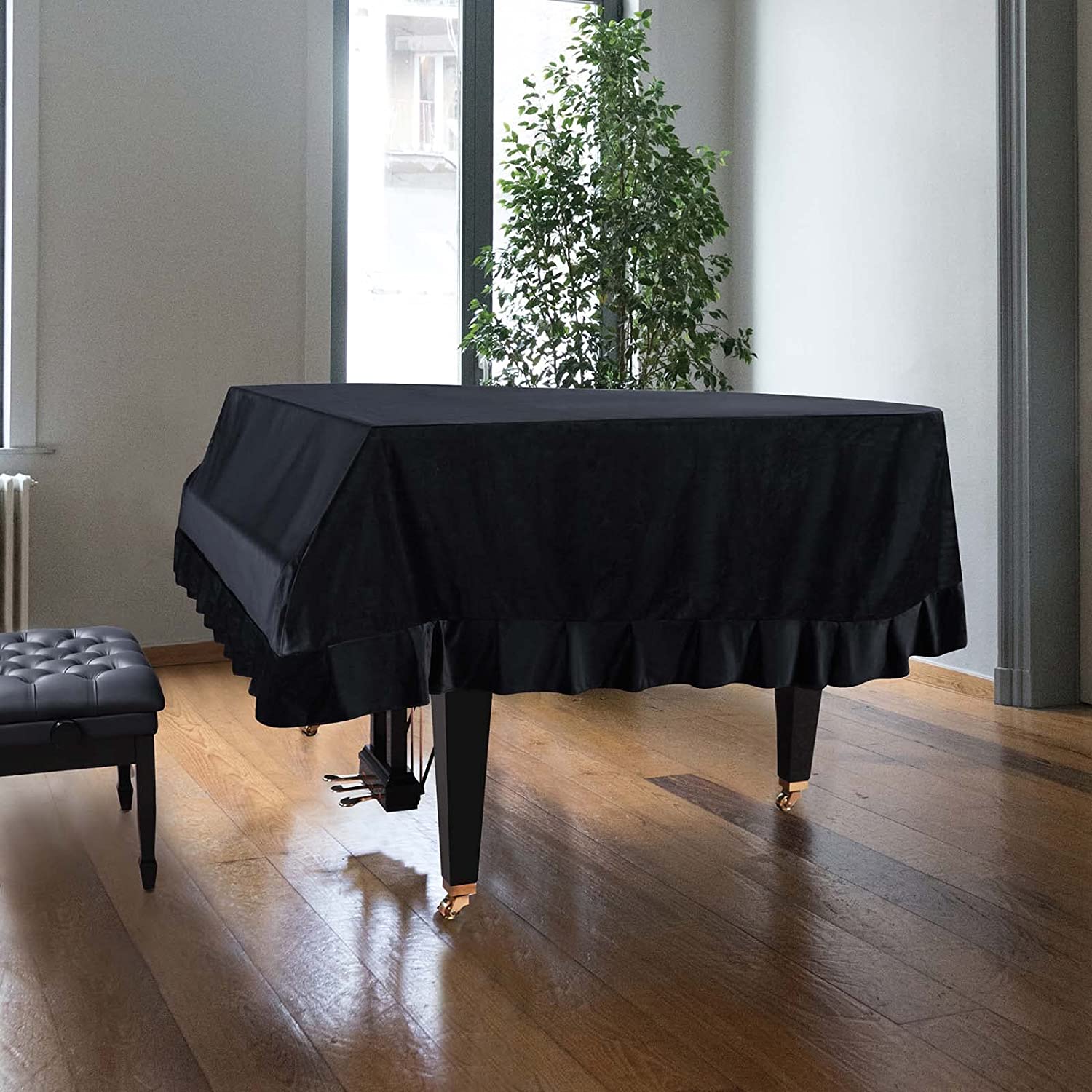
Grand pianos are the most iconic variety of piano, often seen in concert halls and recording studios. These grand instruments provide the widest dynamic range, widest range of tonal color, and richest harmonic complexity. Grand pianos come in different sizes, ranging from four feet to nine feet long. The longer the piano, the better its tonal quality and projection. Grand pianos feature a more powerful tone due to their size and construction, as well as the use of heavier strings and larger soundboards.
The debate surrounding grand pianos is over whether or not they are worth the price for their size and sound. While it’s no doubt that grand pianos have superior sound quality compared to other types, their cost is quite high because of their size and materials used in construction. That makes them an impractical choice for many budding musicians and those looking to purchase a piano on a budget. Yet, there can be no denying that since they sound so good, they can also be considered an investment in satisfying one’s musical aspirations.
Now that we’ve discussed grand pianos: the next section will discuss mid-size pianos, which occupy a space between upright variety and the grand type.



Mid-Size Pianos
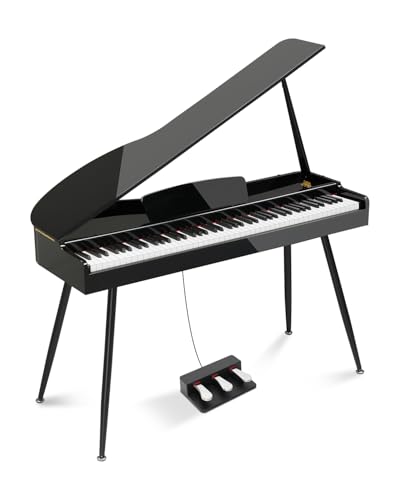
Mid-Size Pianos, sometimes referred to as “Baby Grands”, are a great compromise between the portability of an upright piano and the full-sized sound of a grand piano. Many times, they are designed in such a way that they don’t take up too much space when placed in a home. Mid-sized pianos usually have a length between 4 feet and 5 feet 8 inches, making them the perfect size for students or small apartments.
The debate between mid-size pianos versus full grand pianos is often divided among those who are looking for price versus sound quality. Mid-sized pianos tend to be less expensive than full grand pianos, but not always. It is important to consider the overall construction and quality of materials used while also looking at the resale value.
For starters, many mid-sized pianos will lack some features found on full grand pianos, like a reinforced lid and three pedals. On the other hand, mid-size pianos may also offer better sound quality compared to an upright piano due to a larger soundboard and longer strings which allow more resonant tones.
No matter which option you choose, mid-size or grand piano, the best course of action is to research and read customer reviews before making the purchase. Ultimately it comes down to personal preference in terms of sound quality versus portability or cost savings.
Moving forward from Mid-Size Pianos, our next section will provide an overview on Keyboard Instruments.
Keyboard Instruments
Keyboard instruments comprise a variety of instruments that generate sound from striking keys, including grand pianos, baby grand pianos, and electric pianos.
Grand pianos are the prototypical key strike instrument, making use of hundreds of strings that are struck by hammers when corresponding keys are triggered. This creates an incredibly dynamic and often unforgettable sound.
Baby grand pianos are smaller versions of the classic grand piano with many of the same features. Electric pianos make use of electric pickups to convert mechanical key strikes into electrical signals that can then be amplified and changed for desired effects.
Regardless, all keyboard instruments require two elements to work properly: a hammer and some type of string or wire. While the strings may vary slightly depending on the type of instrument, they essentially provide the same purpose—creating a unique sound when struck or plucked.
All keyboard instruments also require intricate tuning in order to produce optimal sounds. Each string must be tuned precisely in order to generate the desired notes when played correctly. Without proper tuning, notes may become clunky and discordant as opposed to having a smooth and balanced tone.
The debate between various types of keyboards instruments is one that has long been engaged in by musicians and music aficionados alike. Some argue that grand and baby grands have a certain sweetness that is almost unmatched, while others feel the added effects possible with electric pianos make them too good to pass up. Ultimately, it comes down to personal preference though the debate is still ongoing.
No matter what style of keyboard instrument you decide to use, there is no denying that each type offers its own unique advantages for creating beautiful music. With this in mind, we move on to discuss synthesizers as an alternative way to create amazing sounds from keyboards.
Synthesizers
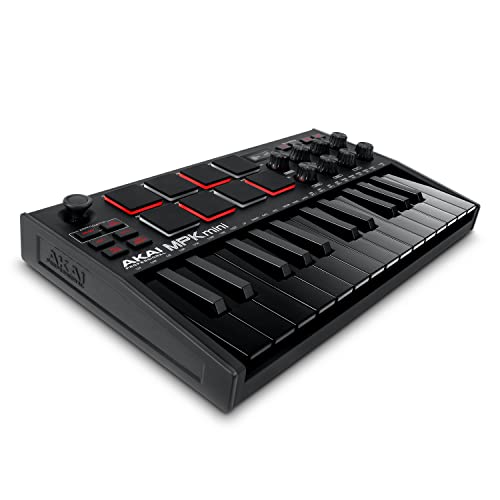
Synthesizers have gained increasing appeal in modern music and have become a popular alternative to acoustic pianos. Synthesizers are electronic instruments that generate electronically produced sounds. Compared to acoustic pianos, synthesizers can produce a greater variety of timbre and tonality, making them ideal for creating unique soundscapes and novel sonic textures.
Proponents of synthesizers cite their adaptability as a major advantage. Synthesizers generally cost less than acoustic pianos, making them an accessible option for those interested in piano but who may not be able to afford a traditional instrument. Another benefit is the fact that many synthesizer models come with built-in effects, allowing users to explore new sounds quickly and easily.


On the other hand, some traditionalists defend the sound of acoustic pianos and contend that synthesizers cannot provide the organic, nuanced tones associated with acoustics. Furthermore, many critics of synth technology argue that the instrument does not provide the tactile feedback and physicality of a real piano. For instance, playing on weighted keys may feel different than those that lack any form of resistance or weightiness.
Overall, it is clear there are advantages and disadvantages to both options; while synthesizers are diverse in sound they may not provide musicians with the same level of subtlety or tactile connection that acoustic pianos do. In this way, it is important for aspiring piano players to evaluate their options carefully before deciding which type of instrument works best for them. With this in mind, let us now turn to professional pianos: their qualities, features, and uses.
Professional Pianos
Professional pianos are designed for use in recording studios and live performance venues. They are built with higher-grade materials, more powerful soundboards, and a range of different features that increase their versatility and power. Professional pianos usually feature greater dynamic range, improved tonal accuracy, more powerful sustain systems, and heavier action that facilitates greater control over nuance and expression.
Professional pianos can be costly, with prices well into the thousands of dollars. While these features come with a significant upcharge, many would argue that it’s worth it for serious musicians who want to make sure they’re getting the best quality sound possible.
Others contend that there is only a small difference between professional and mid-level models when it comes to sound quality. Ultimately, it depends on the individual player’s desired scope of tones and capabilities; professional models are simply more versatile and powerful in this regard.
The next section will discuss the factors of quality, price, and durability which must all be considered when shopping for a piano.
Quality, Price and Durability
When considering purchasing a piano, quality, price and durability are typically the most important factors. On one hand, high quality pianos will have better sound, exquisite craftmanship and superior engineering, making them worth the extra money. High quality or luxury pianos typically come with the steepest prices. On the other hand, there are many lower-end pianos that offer lasting durability at an affordable price.
For example, certain models of digital pianos can be purchased for a fraction of what an acoustic piano would cost. Factors such as material used, type of design and warranty length should all be considered.
Despite these differences in price, both types of pianos can provide countless years of enjoyment for musicians of any age or ability level. With proper maintenance and tuning, even the least expensive instruments can last for many years and continue to generate beautiful music.
Having discussed quality, price and durability when it comes to buying a piano, we will now turn our attention to the types of piano playing available depending on one’s personal style and preference.
Different Styles of Piano Playing
When it comes to pianos, there are a variety of ways the instrument can be played. Different styles of playing focus on different techniques and approaches that range from technical complexity to more improvisational techniques. Depending on the skill level and preference of the player, choosing which style to focus on is essential to achieving success when playing the piano.
Classical Piano Technique
Classical piano technique features precise form and structure. This approach relies on strict adherence to note accuracy in order to replicate the original composition score. Players must take into account timing, key changes, dynamics, phrasing, touch sensitivity, and sustaining notes for long periods of time. Classical technique is held in higher esteem due to its precise execution and its attention to detail.
Jazz Piano Technique
Jazz piano technique emphasizes improvisation and chordal substitutions over the original composition. Through focusing on chords, melodies, voicings, harmonies, tone production, syncopation, and textures within left-hand accompaniments and right-hand solos players in this style must also be well-versed in theory and learn how to better employ their creativity. Through this method jazz musicians are able to create new musical ideas through improvisation while still staying true to their own personal style of play.
Contemporary Piano Technique
Contemporary piano technique merges classical playing with the jazz genre while incorporating pop elements above all else; this includes everything from genres such as pop rock and country music to spoken word pieces featuring vocalizations and hip hop elements including turntablism. Here, musicians strive for a more synthesized sound that blends what would traditionally be considered separate styles together in an eclectic manner while still maintaining an emphasis on improvisation when present within the style’s framework.
Ultimately, it is up to each piano player’s personal preference as to which technique they choose to focus on most heavily when studying the instrument. Whereas some might prefer the degree of precision associated with classical music or the freedom afforded by contemporary genres or jazz others may enjoy a combination of all three elements for a mix of classic styles set within their own modern compositions.
Regardless, learning how to develop all three different methods is beneficial for any musician who wishes to fully explore every aspect of what a piano has to offer.
- There are three main types of piano: upright, grand and digital.
- Upright pianos are the most popular and generally used in homes, churches, schools and small venues.
- Grand pianos have a larger soundboard than uprights and provide greater acoustic power.
- Digital pianos are widely used by pianists due to their portability, versatility and wide range of features such as weighted keys, headphone outputs, built-in speakers and record/playback capabilities.
Common Questions Answered
What is the reason for different types of keyboard action in pianos?
The reason for different types of keyboard action in pianos is to provide a different playing experience for each musician. The type of keyboard action chosen determines the responsiveness and feel of the keys, providing either a light and fast touch for more nimble playing, or a heavier and slower touch for more expressive playing.
Different keyboard actions also affect the amount of sound produced when the key is struck, allowing for lighter or heavier sound production based on preference. With so many varieties of keyboard action available today, piano players are able to find the perfect type of action to suit their style of music and playing.
How do the features and sound of different types of pianos compare?
The features and sound of different types of pianos can vary quite drastically. One thing to keep in mind is that the more expensive the piano, the better quality it will have. Upright pianos are generally much more affordable than grand pianos and produce a somewhat dryer tone with less resonance.
Grand pianos are much larger and give off a fuller, richer sound due to their increased size. Digital pianos offer a huge range of digital sounds which include electric pianos, organs, and string instruments making them great for studio recordings or live performances.
Finally, hybrid pianos combine the digital sounds of an electric piano with the feel of an acoustic piano. Each type of piano brings something unique to the table and depending on the players needs there is almost certainly a perfect fit out there!
How do the prices of different types of pianos vary?
The prices of different types of pianos vary greatly depending on their size, age, and condition. Grand pianos tend to be the most expensive type of piano since they have a larger body, longer strings, and heavier frames, along with other features such as elaborate cabriole legs. Upright pianos are usually more affordable than grand pianos because they don’t require as much space and have fewer components. Digital pianos come in a range of prices, from low-end keyboards costing under $500 to professional models that can cost up to $10,000 or more. Knowing all these factors will help you determine the best value for your budget.