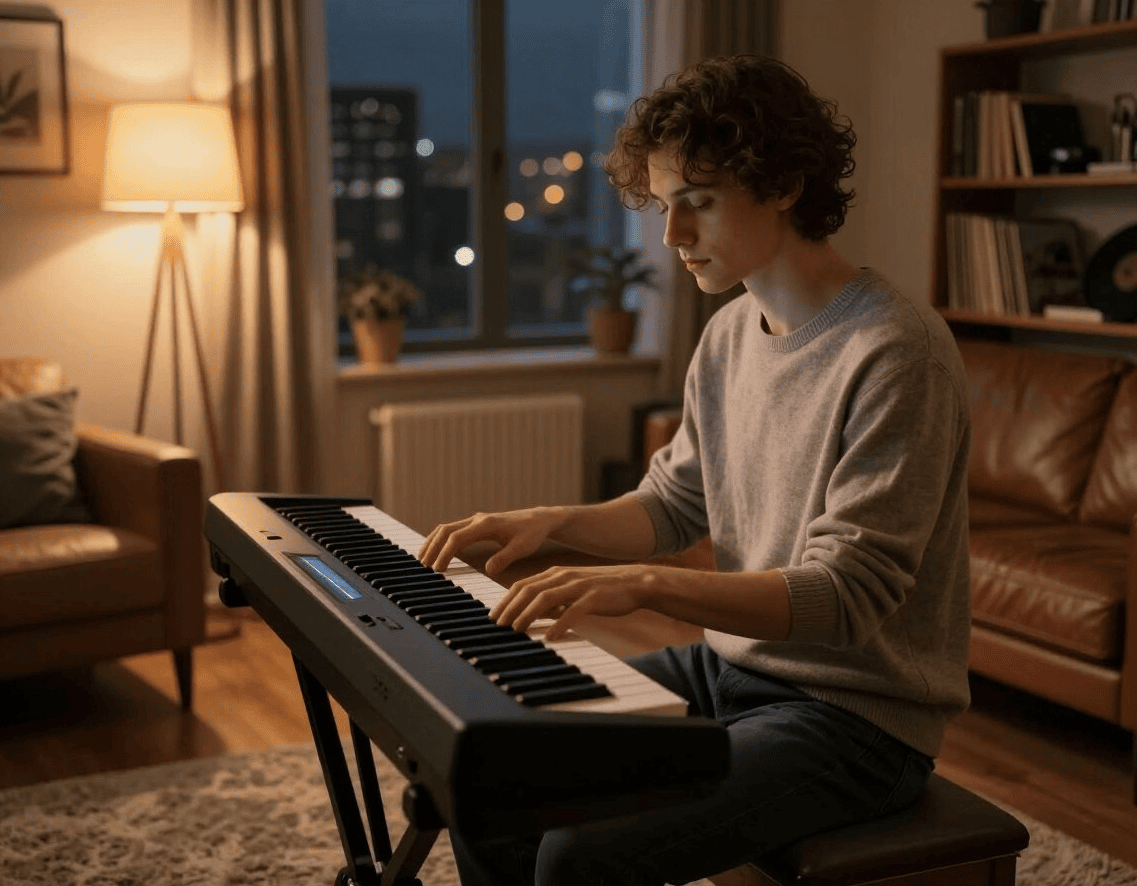
Did you know most beginners later switch from a basic keyboard to a digital piano within a year because touch and feel matter more than features? You’re weighing how you’ll practice, perform, or record, and the choice isn’t just about sound but action, connectivity, and space. If you want realism and steady technique, a digital piano might suit you; if you crave portability and versatility, a keyboard could be the better fit. Consider your goals before you decide.
Digital Piano vs Keyboard: Which Should You Start With?
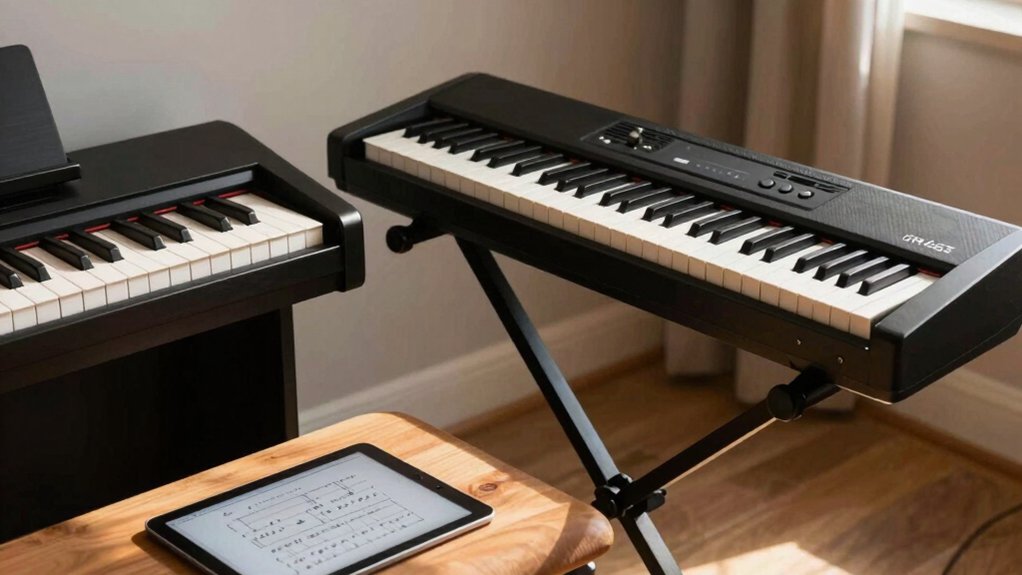
If you’re deciding where to begin, the choice between a digital piano and a keyboard hinges on your goals and budget. You should assess your priorities: feel, sound, and learning needs.
A digital piano emphasizes graded hammer action and realistic piano tones, which strengthens technique and musicality from day one.
A keyboard prioritizes portability and features like multiple voices, MIDI, and party-ready sounds, useful for experimentation and space constraints.
Sound customization matters: digital pianos offer curated presets with subtle, expressive nuances, while keyboards let you layer and tweak sounds more freely.
Consider portability options for practice on the go, travel, or cramped rooms.
In short, start with a model that mirrors your musical intent, then grow into the interface and features that align with your development goals.
How Touch and Action Define Realistic Playing
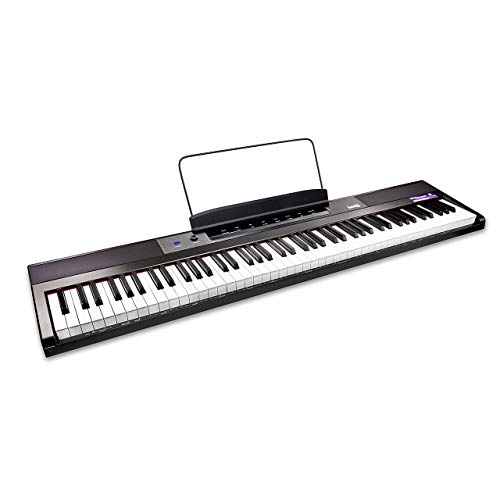
Touch and action are what let you translate technique into sound, so they shape how realistic playing feels when you perform. You’ll notice that touch sensitivity and the quality of key action determine response, dynamics, and control.
A keyboard with light, fast action lets you play with precision, but may lack weight for expressive phrasing; a piano-grade action provides nuance across crescendos and articulations. You assess feel by consistency, rebound, and how you perceive aftertouch possibilities.
The goal is predictability: you want each keystroke to map to a proportional sound change without surprising resistance or delay. In practice, focus on how touch sensitivity scales your dynamics and how key action supports legato accuracy and tonal shaping.
- touch sensitivity defines dynamics
- key action influences response consistency
- consistent rebound aids phrasing
- proportional mapping improves control
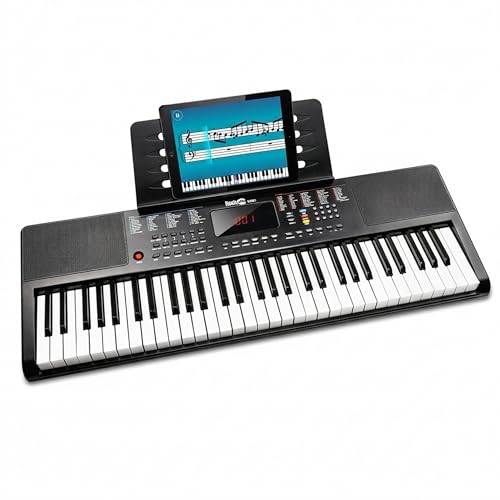

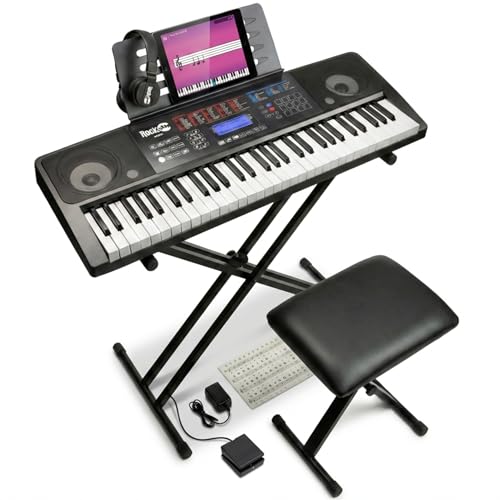
Sound Quality and How It Affects Your Learning
Sound quality shapes how you perceive nuance, making learning more efficient when the instrument clearly conveys dynamics and timbre.
You’ll notice tone differences between digital pianos and keyboards, which can affect how you shape phrases and feel connected to the music.
Headphone versus speaker monitoring also changes your feedback loop, influencing focus and practice consistency.
Sound Quality Impact
The sound quality of a digital piano or keyboard matters because it directly shapes your listening feedback, which in turn guides your technique and tempo. When you hear a convincing synth sound or nuanced acoustic tone, you tune your touch and dynamics more precisely, accelerating accurate learnings. If the timbre falls flat, you may overcompensate or misjudge phrasing, slowing progress.
The right tone also affects your confidence during practice, keeping you engaged and focused on muscle memory rather than speculation. High-fidelity sounds enable better differentiation of articulation, release, and pedaling, sharpening your overall musical literacy.
Consistent audio quality reduces fatigue and aids long sessions, supporting steady improvement over time.
- Realistic synth sound guides touch precision
- Acoustic tone aids phrasing and pedaling accuracy
- Consistent timbre reduces fatigue in practice
- Accurate feedback speeds technique development
Learning Tone Differences
Tone differences matter because your learning is guided by what you hear. When you compare digital pianos and keyboards, focus on how tone nuances affect your accuracy and musical expression. A realistic, dynamic tone helps you hear subtle pitch changes, timbre shifts, and articulations, which trains your ear to respond to phrasing, dynamics, and rhythm.
If an instrument’s tone sounds flat or buzzy, you may misjudge touch, attack, and decay, slowing technique development. Conversely, a clear, responsive tone supports efficient feedback loops, so you adjust fingering, timing, and expression more quickly.
Headphone vs Speaker Feel
Do headphones or speakers change how you learn piano, and why does that matter for your practice? Your sound delivery shapes perception, timing, and focus. Headphones isolate noise and reveal subtle dynamics, but can dull spatial cues if you rely on stereo imagery. Speakers expose you to natural room acoustics, influencing breath, tempo, and articulation through ambience.
Comfort matters: headphone comfort affects how long you practice without distraction, while speaker placement determines stereo balance and room effects that color your sense of rhythm. Evaluate clarity, impulse response, and consistency across gear.
Your choice should align with practice goals: precision drills via headphones or expressive, real-world feel with speakers.
- headphone comfort
- speaker placement
- room acoustics impact
- practice goals alignment
Built-in Features That Help Beginners and Performers
Built-in features can dramatically ease learning and performance, especially on digital pianos and keyboards. You’ll notice options that guide practice and live playing without extra gear.
Performance modes tailor sound and response for different styles or venues, letting you switch tonal character, dynamics, and touch to suit classical, pop, or jazz setups.
Built-in metronomes keep time during slow drills or fast passages, and some devices offer adjustable subdivision, tempo, and click patterns to match your practice routine.
Layered voices, split keys, and velocity curves help you explore musical ideas without external software.
Transpose and tuning tools simplify repertoire transcriptions.
On stage, practice-friendly features reduce setup friction and keep you focused on performance.
These capabilities matter when comparing digital pianos to keyboards for beginners and performers.
Portability and Room Setup: What Fits Your Space?
When you’re weighing digital pianos against keyboards, space and setup matter just as much as sound and feel. You’ll consider portability, weight, and how quickly you can stow or deploy gear between sessions.
For space constraints, measure footprint and clearance for hands, pedals, and interfaces. Aesthetic considerations matter too—matching furniture, color, and cable management helps a room feel cohesive. Think about stands, lighting, and distance from seating to keyboard for ideal practice.
If you perform, a compact model may travel well; if you stay home, a larger unit with integrated stand might suit better. Prioritize a shallow setup that still accommodates headphones, speakers, and sustain needs.
- Footprint and height
- Cable management
- Deployment vs storage
- Visual harmony and style
Budget, Value, and Total Cost of Ownership
Budget, value, and total cost of ownership matter as much as upfront price. You’ll weigh initial buy-in against ongoing costs, maintenance, and resale value, so your choice stays sensible long after the purchase.
A higher upfront price can pay off if it reduces upgrade cycles, repair needs, or accessory purchases, while cheaper models may siphon funds through frequent replacements or diminishing returns.
Do a price comparison across models within your target category, then consider long‑term expenses like warranties, service costs, and required peripherals.
Brand reputation matters here: established brands often deliver consistent reliability and resale appeal, easing budgeting over time.
Balance perceived value with durability, instructional needs, and expected usage to determine the total cost of ownership you’re actually comfortable bearing.


Use-Case Scenarios: Practice, Gigs, and Studio Work
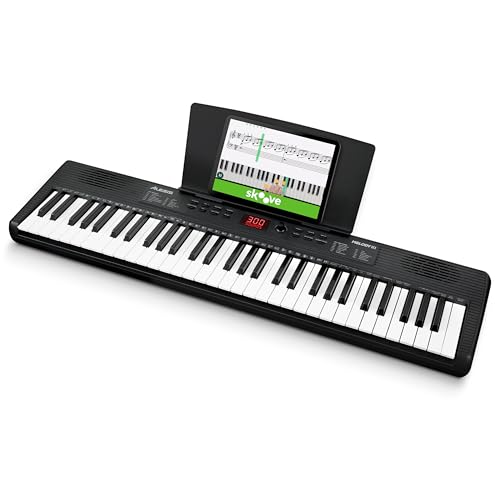
Understanding how you’ll actually use the instrument helps you pick the right model beyond price.
In practice, your choice hinges on the scenarios you face: daily technique drills, live gigs, or studio sessions.
For practice, you’ll value reliable touch, headphone options, and affordable maintenance.
Gigs demand durable construction, dependable power, and clean sound in a monitored room or on stage.
Studio work requires accurate MIDI control, audio interfacing, and consistent dynamics across sessions.
Consider music genres you perform or record, since some models favor classic piano feel while others emphasize versatile tones.
Brand reputation matters for long-term support and firmware updates, reducing downtime.
If possible, audition several options to compare touch, stability, and connectivity before committing.
Quick Buying Checklist: How to Evaluate Models
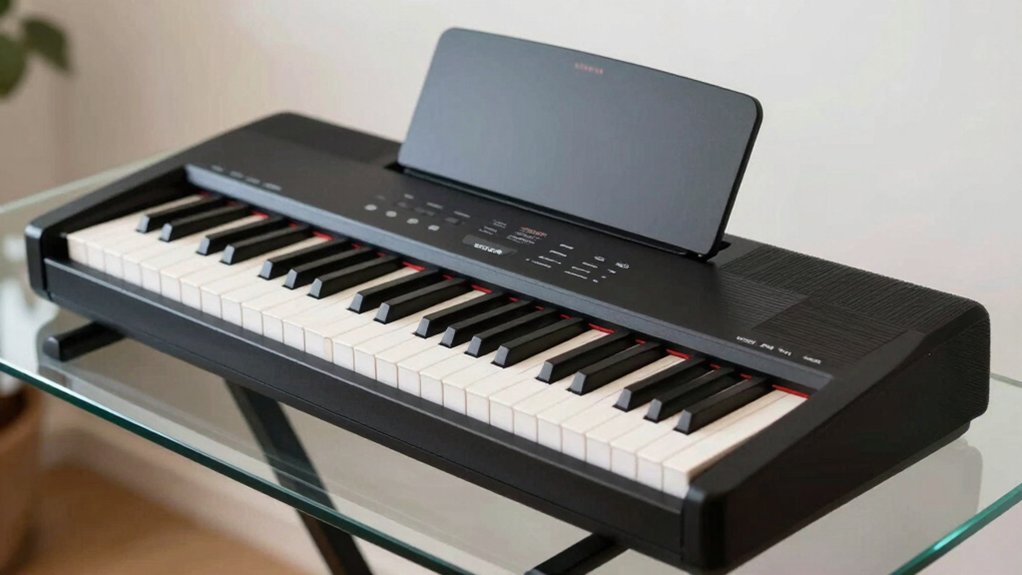
To quickly assess models, focus on the core decision drivers: feel, reliability, and connectivity. You’ll compare how the keyboard responds to your touch, whether the action mirrors real pianos with consistent velocity, and if the keybed remains stable under long sessions.
Evaluate build quality, service life, and manufacturer support to gauge reliability. Check electronic features that matter: aftertouch, programmable zones, and available app control, plus firmware update history.
Connectivity determines future usefulness: MIDI over USB, Bluetooth, line out, and headphone options should align with your setup. Digital touch responses matter for expressiveness, while keyboard feel governs comfort during extended practice.
Prioritize models that balance responsive touch with dependable performance, avoiding gimmicks that inflate price without improving playability or longevity.
Making the Right Call: A Personal Decision Framework
To make the right call, you start with a Personal Fit Evaluation to map your playing goals, space, budget, and learning pace.
Then you weigh Practical Trade-Offs, balancing touch feel, sound options, and maintenance against convenience and price.
This framework keeps the decision grounded in your priorities, not generic specs.
Personal Fit Evaluation
Choosing between a digital piano and a keyboard is a personal decision, and the right choice hinges on how you plan to use the instrument, your budget, and your long-term goals.
In this Personal Fit Evaluation, you assess what you truly need from sound, touch, and portability, and how those needs align with your musical genres and student needs. You’ll identify non-negotiables (weighted keys, memory, connectivity) versus nice-to-haves (built-in pedagogy, speaker quality).
This clarity guides you toward a choice that supports steady growth, practice consistency, and future upgrades.
- Priorities: touch, feel, and realistic piano response
- Context: performance vs. practice environments
- Growth path: features that scale with skill
- Budget and value: upfront cost vs. long-term benefits
Practical Trade-Offs Consideration
Yet because both digital pianos and keyboards serve different goals, you should weigh practical trade-offs against your priorities—touch realism, portability, and long-term value—so you can make a decision that fits your practice style and growth path.
In this section, you compare core specs with real-use impact. Prioritize touch sensitivity and key weighting as your decision anchors: do you need a heavier, piano-like feel or a lighter, portable action for quick transit?
Consider processing power, built-in sounds, and expansion potential, but anchor choices to daily practice needs and future goals.
Evaluate maintenance, warranty, and upgrade routes to avoid early obsolescence.
Finally, map trade-offs to your schedule, budget, and learning curve for a sustainable, confidence-building path.
Conclusion
If you’re standing in a music shop or browsing online wondering about the digital piano vs keyboard dilemma, you’re facing a decision that will significantly impact your learning journey, playing technique, and musical satisfaction for years to come. The digital piano vs keyboard question confuses countless beginners because whilst both instruments have black and white keys and plug into the mains, they’re designed for fundamentally different purposes – one aims to replicate the authentic piano experience, whilst the other prioritizes versatility, portability, and creative sound options.
You fine-tune your path like a compass in a hurricane: choose the digital piano for authenticity, or grab the keyboard for sheer versatility. Sure, touch and tone matter, but so do budget and space. If you crave classical practice, hammer-weighted keys win; if you crave gigs, endless sounds win. In the end, the “right” choice isn’t fate—it’s your room, your plans, and your willingness to grow. It’s almost heroic how practical it turns out to be.