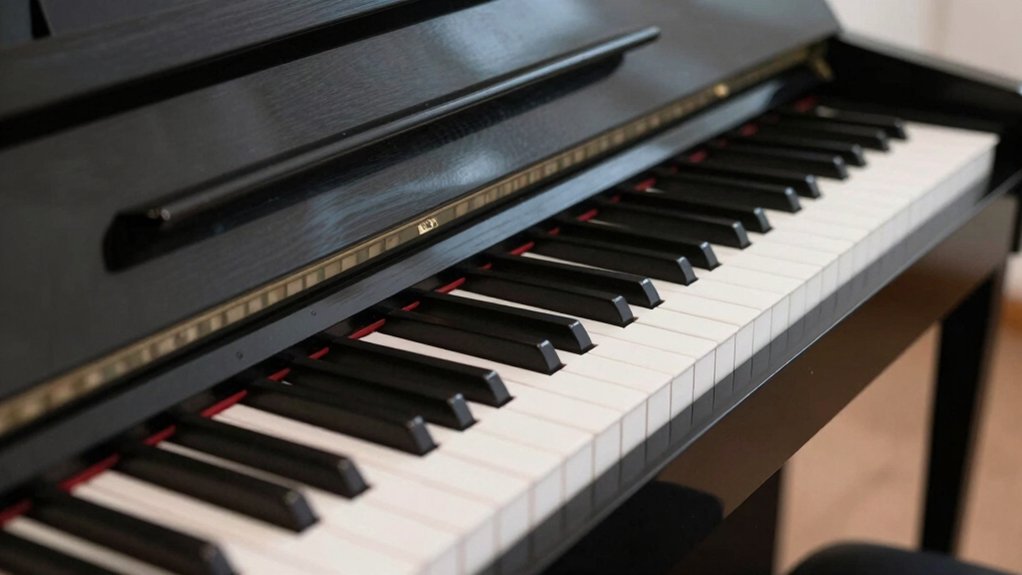
When you’re investing several hundred or even thousands of pounds / dollars in a digital piano, one of the most practical questions you’ll ask is how long do digital pianos last before components fail or technology becomes obsolete. The reality of how long do digital pianos last varies dramatically based on build quality, usage intensity, and maintenance habits – budget models might struggle after five years of daily practice, whilst premium instruments from manufacturers like Yamaha, Roland, and Kawai regularly deliver flawless performance for fifteen to twenty years or more.
You might assume digital pianos last like keyboards, but with proper care they typically endure 10 to 15 years, and sometimes longer. The lifespan hinges on component quality, use intensity, and maintenance practices, especially the keyboard action, processor, and power supply. Regular cleaning, firmware updates, and monitoring performance can extend life, yet wear or tonal shifts signal when you should reassess options. Curious what indicators matter most and how your setup fits into these ranges?
What Affects the Digital Piano Lifespan
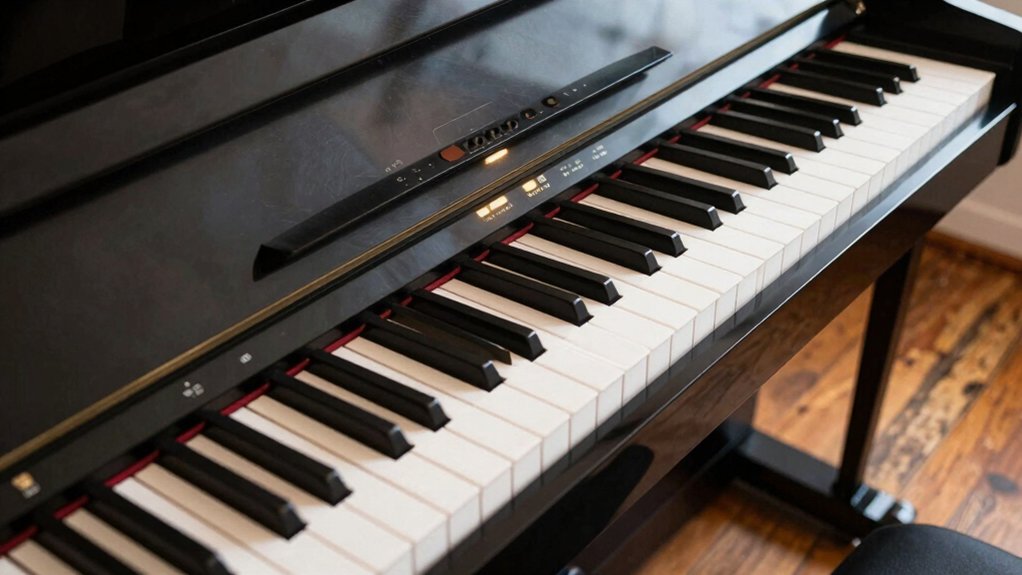
Digital pianos vary in lifespan mainly due to component quality and usage patterns. You assess digital piano durability by examining core subsystems: keyboard action durability, processor longevity, memory retention, display reliability, and power-regulation robustness.
Lifespan factors include peak current handling, heat dissipation, and electro-mechanical wear from repeated key presses. You’ll see higher durability in models with validated component ratings, over-voltage protection, and fanless thermal design that still maintains stable temps.
Usage patterns matter: heavier playing tempo, sustained sessions, and frequent power cycling accelerate wear, especially on drive electronics and plastic keybeds. Regular maintenance, firmware updates, and proper shutdown practices mitigate degradation.
You compare labs’ MTBF estimates and field-reported failure modes to estimate long-term reliability, balancing cost against anticipated lifespan and total cost of ownership.
How Long a Digital Piano Lasts (Expected Ranges)
From the previous discussion of what affects a digital piano’s lifespan, you can translate those factors into expected longevity ranges. In typical usage, you should expect a digital piano to function reliably for about 10 to 15 years of regular play, with variability driven by build quality, software support, and environmental conditions.
Higher-end models with robust chassis and rated components tend toward the upper end, while budget units may approach the lower bound if subjected to heavy use or unstable power. Digital piano durability is primarily influenced by keyboard action wear, keybed rigidity, and processor/firmware resilience, all of which interact with maintenance frequency and usage patterns.
Lifespan factors include power cycling, exposure to temperature swings, and routine calibration, not just the device’s age.
Core Components That Wear Out
Although many components seem resilient, the core parts that wear most quickly in a digital piano are the keyboard action and the processor/firmware stack. You should weigh how these affect overall digital piano durability and component longevity.
The keyboard action endures due to mechanical fatigue, key chamfer wear, and switch life, while the processor/firmware faces flash wear, memory wear leveling, and occasional firmware bloat.
Device resets, input lag, and calibration drift signal aging within these subsystems. Predictive indicators include key-bottoming feel, intermittent notes, and slower boot times.
Proper engineering mitigates, but doesn’t eliminate, wear, so monitoring these areas informs durability expectations and lifecycle planning.
- Keyboard action fatigue and switch life
- Firmware/processor wear patterns
- Input latency and calibration drift
- Flash/memory wear and wear leveling
- Early-warning signs of degradation
Maintenance Routines That Extend Life
To extend a digital piano’s life, implement a routines-based maintenance plan that targets the most wear-prone subsystems: keyboard action, processor/firmware stack, and power circuitry.
You should schedule daily dusting of external surfaces and monthly keybed checks to monitor sluggish keys or misalignments, logging any anomalies.
Use approved maintenance tools and firmware update procedures from official sources to minimize software drift and ensure compatibility with warranties.
Periodically test the power supply with multimeter measurements and inspect cabling for insulation wear, replacing worn components before failure.
Document all service events to support digital piano warranties and track cumulative usage.
Favor data-driven intervals: baseline cleaning, quarterly checks, and annual firmware audits.
Avoid improvised fixes; rely on manufacturer guidelines for longevity and reliability.
Reading Your Piano’s Health: Signs It’s Time to Reassess
Regular health checks reveal when a digital piano needs reassessment. You should monitor objective indicators rather than impressions alone. Look for changes in tonal quality and deviations in key responsiveness over time, as these signal underlying wear or calibration drift.
Record-keeping of usage hours, firmware versions, and service dates helps distinguish normal aging from developing issues. If you notice persistent, non-reproducible notes, uneven velocity response, or audible anomalies during continuous play, reassessment is warranted.
Compare current performance to baseline measurements and manufacturer specifications. Understanding these signals supports proactive maintenance rather than reactive repairs, preserving value and playability.
- Tonal quality shifts beyond expected tolerance
- Key responsiveness lag or inconsistent velocity
- Unstable or drifting MIDI/pedal calibration
- Sudden, unexplained noise during touch or sustain
- Firmware or sensor diagnostics failing to align with presets
Conclusion
You’ll likely get 10–15 years from a digital piano with proper care, but results vary by usage and build quality. Regular cleaning, firmware updates, and monitoring of key action and sounds can push toward the upper end. Core wear—keyboard, processors, power supply—still matters, especially with heavy use. Signs of aging: sluggish response, tonal drift, or intermittent faults. Are you prepared to reassess or replace components as part of a data-driven maintenance plan? Your longevity depends on proactive upkeep.