Introduction
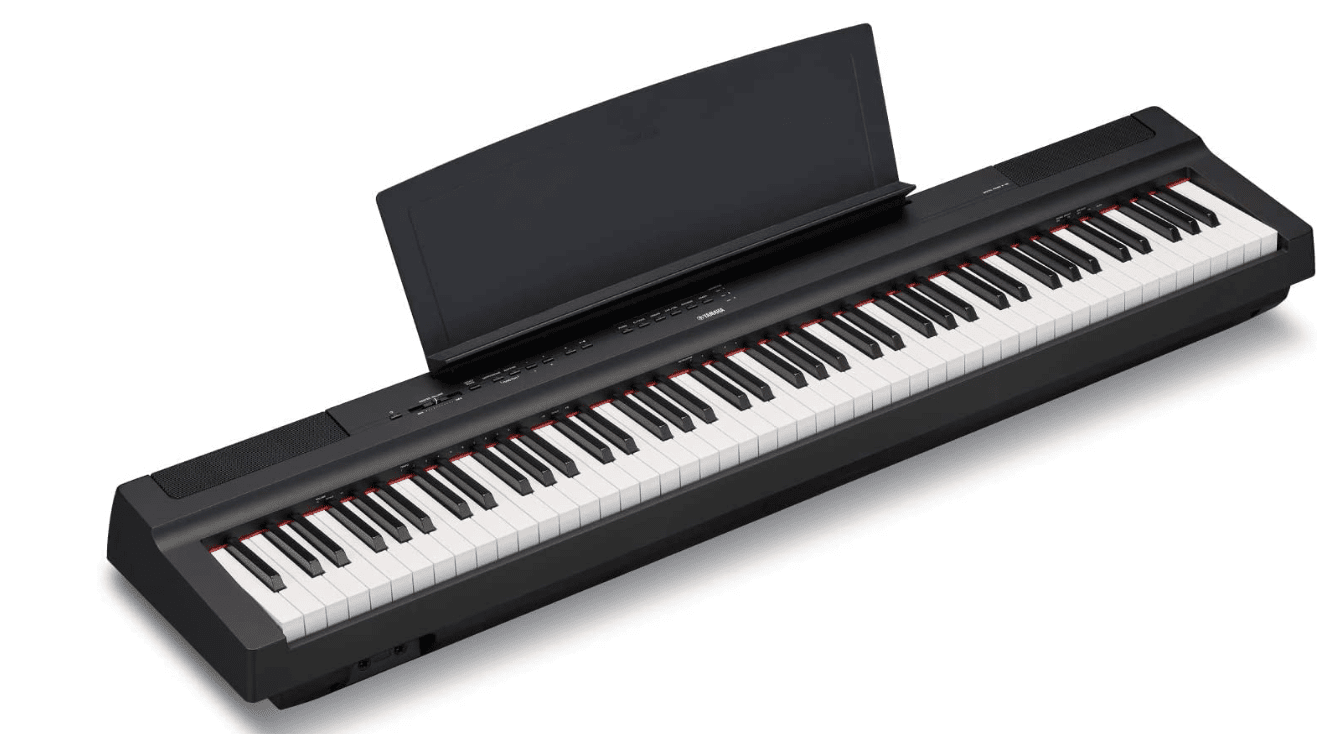
Digital pianos have become increasingly popular among musicians, students, and enthusiasts. They offer a convenient alternative to acoustic pianos, providing a range of features and functionalities. However, many individuals wonder about the longevity of digital pianos and how many years they can expect them to last. In this article, we will delve into the topic of the lifespan of digital pianos, exploring various factors that influence their durability and providing insights into maintenance practices. Whether you are a seasoned pianist or considering purchasing a digital piano, understanding its lifespan is crucial for making an informed decision.
How many years does a digital piano last?
When it comes to the lifespan of a digital piano, several factors come into play. On average, a well-maintained digital piano can last anywhere from 15 to 20 years. However, it’s important to note that this estimate can vary depending on various aspects such as usage, quality of construction, maintenance, and technological advancements. Let’s explore these factors further to gain a comprehensive understanding of the longevity of digital pianos.
1. Usage frequency and intensity
The frequency and intensity of usage significantly impact how long a digital piano will last. A piano that is used for a few hours a day by a professional musician may experience more wear and tear compared to one used occasionally by a beginner. Regular usage, particularly with intensive playing or practice sessions, may lead to the need for repairs or replacements sooner than expected.
2. Quality of construction and components
The quality of construction and components is another crucial factor in determining the lifespan of a digital piano. High-quality digital pianos, often manufactured by reputable brands, tend to have better durability due to superior craftsmanship and the use of premium materials. Investing in a well-built instrument can ensure that it lasts longer and provides a more satisfying playing experience.
3. Technological advancements and software updates
As technology rapidly advances, digital pianos can become outdated in terms of features and functionalities. While the core components of a piano may remain intact, software updates and improvements can enhance the overall playing experience. However, with time, manufacturers may discontinue support for older models, making it challenging to keep up with the latest software updates. This aspect should be considered when evaluating the longevity of a digital piano.
4. Environmental conditions and maintenance
The environment in which a digital piano is placed can also influence its lifespan. Extreme temperature and humidity levels can potentially damage the internal components, affecting the piano’s overall performance and longevity. It is essential to keep the instrument in a controlled environment, away from direct sunlight, heat sources, and excessive moisture. Regular maintenance, such as dusting the keys, cleaning the surface, and ensuring proper cable management, can also contribute to prolonging the life of a digital piano.
5. Upgradability and compatibility
Digital pianos offer the advantage of upgradability, allowing users to connect external devices and software for expanded functionality. However, as technology evolves, compatibility issues may arise. Newer operating systems, audio interfaces, or software may not be compatible with older digital piano models. While this does not directly impact the physical lifespan of the instrument, it can limit its usefulness and practicality over time.


Maintenance tips for extending the lifespan of a digital piano
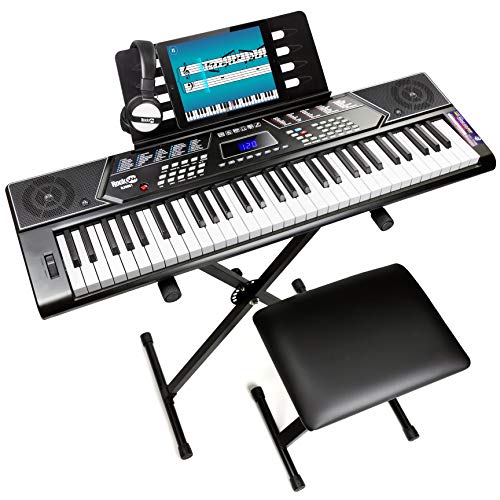
To ensure that your digital piano lasts as long as possible, it is essential to follow some maintenance practices. By taking proper care of your instrument, you can extend its lifespan and maintain optimal performance. Here are some maintenance tips to consider:
1. Regular cleaning and dusting
Dust and dirt accumulation can affect the functioning of your digital piano over time. Regularly dusting the keys, cleaning the surface with a soft cloth, and using a vacuum cleaner with a brush attachment to remove debris from the speakers and vents can help maintain its overall condition.
2. Proper cable management
Digital pianos often have cables connecting various components. Proper cable management, such as tying them together neatly and avoiding excessive bending or stretching, can prevent cable damage and ensure reliable connections.
3. Controlled environment
As mentioned earlier, the environmental conditions in which a digital piano is placed play a significant role in its longevity. Avoid exposing your instrument to extreme temperatures, direct sunlight, or high humidity. Consider using a humidifier or dehumidifier in the room to maintain optimal humidity levels.
4. Regular tuning and calibration
While digital pianos do not require tuning like acoustic pianos, they may still require calibration to ensure accurate key response and sound quality. Consult the manufacturer’s guidelines or seek professional assistance for periodic calibration of your instrument.
5. Safe transportation and storage
If you need to move or store your digital piano, it is crucial to handle it with care. Use proper packaging and padding materials to protect it from shocks or impacts during transportation. When storing the instrument, choose a dry and secure location to prevent any damage.
6. Avoiding excessive force and spills
To prevent damage to the keys and internal components, avoid applying excessive force when playing the piano. Additionally, be cautious of liquid spills, as they can cause irreversible damage. Keep beverages away from the instrument while playing.
FAQs about the lifespan of digital pianos
1. Can a digital piano last a lifetime?
While digital pianos are designed to be durable, it is unlikely that they will last a lifetime. The average lifespan of a digital piano is around 15 to 20 years, but this can vary based on usage, maintenance, and technological advancements.
2. How often should I tune my digital piano?
Digital pianos do not require tuning in the same way acoustic pianos do. However, they may need calibration or adjustments periodically to maintain optimal performance. Refer to the manufacturer’s guidelines or consult a professional technician for recommendations.
3. Are older digital piano models still worth buying?
Older digital piano models can still be worth buying if they meet your specific needs and budget. However, consider factors such as compatibility with modern devices and software, availability of support and updates, and the overall condition of the instrument.
4. Can I upgrade the software on my digital piano?
Upgrading the software on a digital piano depends on the manufacturer and model. While some manufacturers provide regular updates for their instruments, others may discontinue support after a certain period. Check with the manufacturer or refer to the product documentation for information on software upgrades.
5. What are signs that my digital piano needs repair or replacement?
Signs that your digital piano may need repair or replacement include unresponsive keys, distorted or low-quality sound, malfunctioning buttons or controls, and persistent technical issues. If basic troubleshooting steps do not resolve the problem, it may be time to seek professional assistance or consider a replacement.
6. Is it worth investing in a high-end digital piano for longevity?
Investing in a high-end digital piano can be worth it if you are a serious pianist or musician. Higher-quality instruments often have better construction, improved components, and advanced features, resulting in increased durability and a more satisfying playing experience. Consider your specific needs, budget, and long-term goals when making a purchasing decision. I’d suggest taking an extended warranty though, just for the peace of mind.
Conclusion
The lifespan of a digital piano can vary depending on usage, construction quality, maintenance, and technological advancements. On average, a well-maintained digital piano can last between 15 and 20 years. By considering factors such as usage frequency, environmental conditions, and proper maintenance, you can extend the lifespan of your instrument.
Remember to follow cleaning practices, manage cables properly, provide a controlled environment, and seek professional assistance when necessary. Understanding the lifespan of a digital piano is essential for making informed decisions about purchasing, upgrading, or maintaining your instrument for years of musical enjoyment.