MIDI Keyboard vs Synthesizer: Which Is Right for You?
When it comes to creating music, having the right tools is essential. Two popular options for electronic music producers are MIDI keyboards and synthesizers. Both can be used to create a wide range of sounds and styles, but which one is right for you? In this article, we’ll explore the differences between MIDI keyboards and synthesizers and help you decide which one to choose.
What is a MIDI Keyboard?
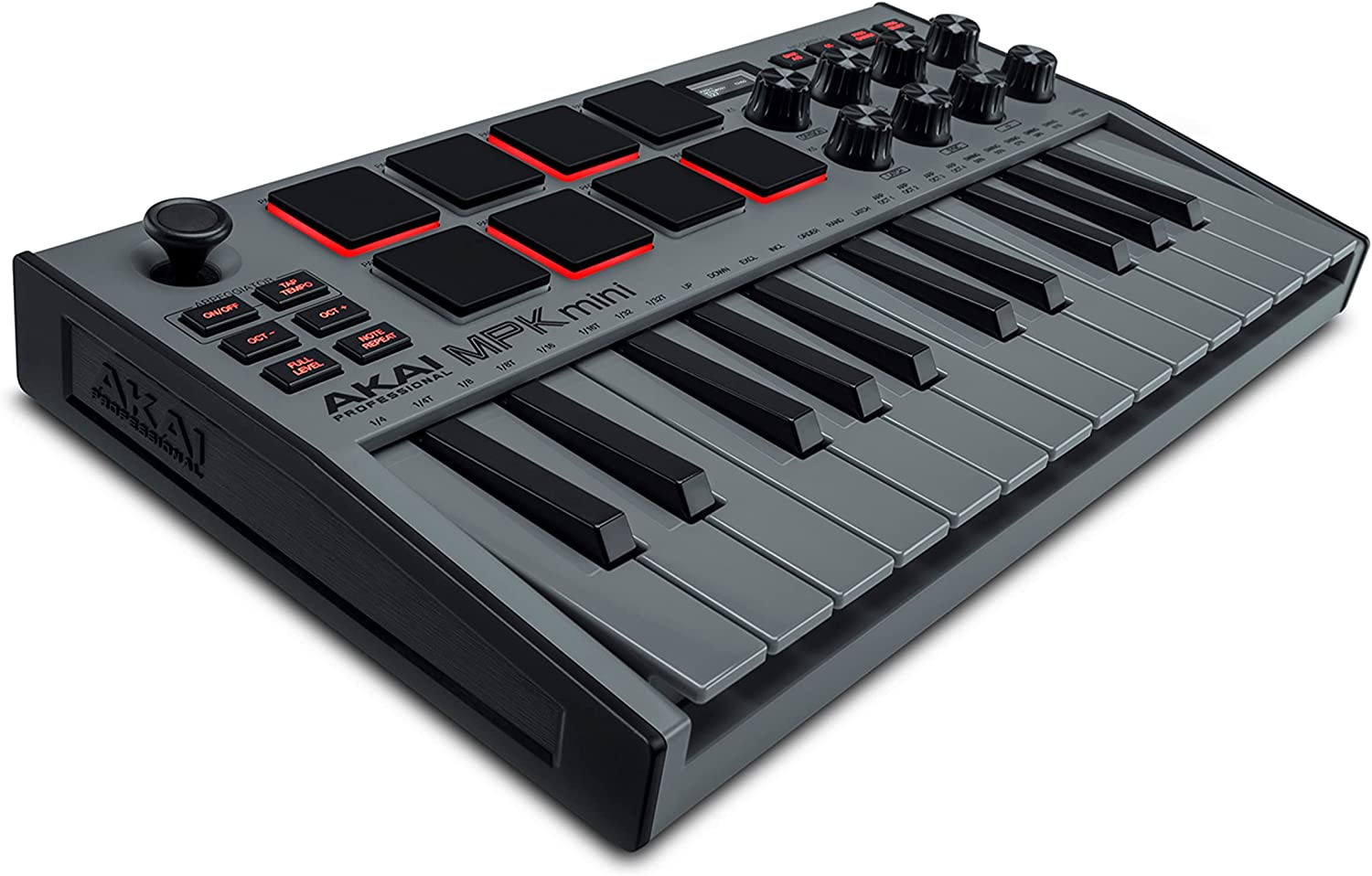
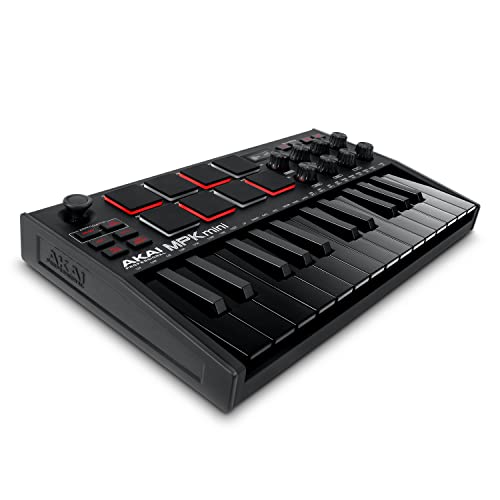
MIDI stands for Musical Instrument Digital Interface. A MIDI keyboard is a type of electronic keyboard that uses MIDI technology to communicate with a computer or other digital device. It doesn’t produce any sound on its own, but rather sends messages to the device it’s connected to, telling it which notes to play and how to play them. Akai is one of the more popular brands.
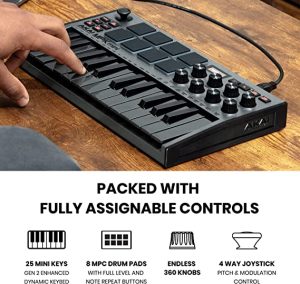
MIDI keyboards come in many shapes and sizes, ranging from small, portable units with a few keys, to large, fully-featured models with a full range of keys, knobs, and other controls. They’re popular among electronic music producers because they’re easy to use and versatile, allowing users to create a wide range of sounds and styles.



What is a Synthesizer?
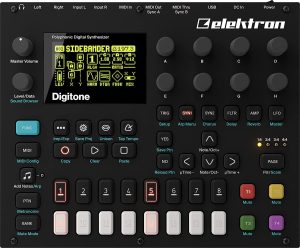
A synthesizer, on the other hand, is an electronic musical instrument that generates audio signals that can be converted into sound. Unlike a MIDI keyboard, a synthesizer can create sounds on its own, without the need for a computer or other digital device.
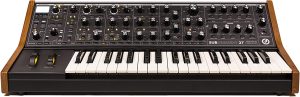
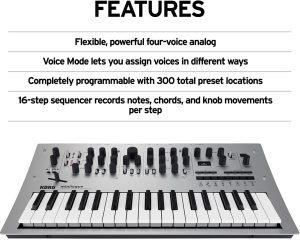
Synthesizers, such as Korg or the famous Moog brands, come in many shapes and sizes as well, ranging from small, portable units to large, complex models with a wide range of controls and features. They’re popular among musicians and producers because of their ability to create unique and complex sounds that are difficult or impossible to achieve with other instruments.

Key Differences Between MIDI Keyboards and Synthesizers
Now that we’ve covered the basics of MIDI keyboards and synthesizers, let’s take a closer look at the key differences between the two.
Sound Generation
The most obvious difference between MIDI keyboards and synthesizers is how they generate sound. As we mentioned earlier, MIDI keyboards don’t generate any sound on their own. Instead, they send messages to a digital device, which then generates the sound.
Synthesizers, on the other hand, can generate sound on their own, without the need for a digital device. They do this by using various components, such as oscillators, filters, and amplifiers, to create and manipulate audio signals.


Sound Control
Another key difference between MIDI keyboards and synthesizers is the level of control they offer over the sound. With a MIDI keyboard, the level of control is largely dependent on the software or device it’s connected to. The keyboard itself typically only offers basic control over things like pitch, velocity, and modulation.
Synthesizers, on the other hand, offer a much higher level of control over the sound. They typically have a wide range of controls and features, such as oscillators, filters, envelopes, and LFOs, that allow users to create and manipulate sounds in a variety of ways.
Portability
MIDI keyboards are generally more portable than synthesizers. Because they don’t have any built-in sound generation capabilities, they tend to be smaller and lighter, making them easier to transport and use on the go.
Synthesizers, on the other hand, tend to be larger and heavier, particularly if they have a lot of features and controls. This can make them more difficult to transport, particularly if you’re performing live or moving from one studio to another.
Price
MIDI keyboards and synthesizers vary in cost. MIDI keyboards are generally more affordable than synthesizers. They are available in different sizes and functionalities, which makes them a great option for beginners or those who are on a budget. Synthesizers, on the other hand, are more expensive, especially analog synthesizers. They are often used by professional musicians, music producers, and studios.
Price is also a key consideration when choosing between a Midi keyboard vs synthesizer. MIDI keyboards tend to be less expensive than synthesizers, particularly if you’re looking for a basic model with a limited number of features and controls.
Synthesizers, on the other hand, can be quite expensive, particularly analog synthesizers.
Music has come a long way from the days of just playing instruments. With advancements in technology, we now have MIDI keyboards and synthesizers that have revolutionized the music industry. If you are just starting to venture into music production or are looking to upgrade your setup, it is important to understand the differences between these two tools. In this article, we will explore MIDI keyboard vs Synthesizer, their functionalities, the type of music they produce, and which one is best suited for your needs.
MIDI Keyboard vs Synthesizer: The Differences
MIDI keyboard and synthesizer are two different tools used for producing music. Although they may seem similar, they have distinct differences. Here are the key differences between MIDI keyboard and synthesizer:
Functionalities
MIDI keyboard is a controller that is used to send MIDI signals to a computer or any other electronic device that accepts MIDI input. It doesn’t produce any sound on its own but can be used to control virtual instruments, software synthesizers, and digital audio workstations (DAWs). The MIDI keyboard sends information such as pitch, velocity, and duration to the connected device, which then produces the sound.
On the other hand, synthesizers are standalone instruments that produce sound on their own. They are equipped with oscillators, filters, and envelopes that generate sound. Synthesizers are often used to create sounds that are unique and cannot be replicated with traditional instruments. Synthesizers come in different types such as analog, digital, modular, and software synthesizers.
Type of Music Produced
The type of music produced by MIDI keyboards and synthesizers varies significantly. MIDI keyboards are best suited for producing electronic music genres such as techno, EDM, and hip-hop. They are often used to control drum machines, virtual instruments, and other software instruments that produce electronic sounds. MIDI keyboards are also popular in live performances as they can be used to trigger samples, loops, and effects.
Synthesizers, on the other hand, are used to create a wide variety of music genres. They are often used to create sounds that cannot be produced by traditional instruments. Synthesizers are popular in genres such as pop, rock, and electronic music. Synthesizers can be used to create sounds such as basslines, leads, pads, and effects.


Pros and Cons of Midi Keyboard vs Synthesizer
MIDI Keyboard
Pros:
- Affordable
- Lightweight and portable
- Versatile and can be used for different music genres
- Can control different virtual instruments, software synthesizers, and DAWs
Cons:
- Doesn’t produce any sound on its own
- Limited sound capabilities compared to synthesizers
Synthesizer
Pros:
- Produces unique and complex sounds
- Can be used to create a wide variety of music genres
- Standalone instrument that doesn’t require a computer or additional equipment to function
- Has greater sound capabilities than MIDI keyboards
Cons:
- Expensive, especially analog synthesizers
- Can be bulky and less portable than MIDI keyboards
- May require a steep learning curve to fully utilize its capabilities
FAQs
- Can a MIDI keyboard be used as a synthesizer?
No, a MIDI keyboard cannot be used as a synthesizer since it doesn’t produce any sound on its own. It requires a computer or any other electronic device that accepts MIDI input to produce sound.
- Do I need a synthesizer if I already have a MIDI keyboard?
It depends on the type of music you want to produce. If you are looking to create unique and complex sounds, a synthesizer may be a good investment. However, if you are just starting, a MIDI keyboard may be enough to control virtual instruments and software synthesizers.
- What is the difference between analog and digital synthesizers?
Analog synthesizers use electronic circuits to generate sound, while digital synthesizers use digital signal processing (DSP) to create sounds. Analog synthesizers are known for producing warm and rich sounds, while digital synthesizers can produce a wider range of sounds and effects.
Conclusion
In conclusion, MIDI keyboard and synthesizer are two different tools used for producing music. While they may seem similar, they have distinct differences. MIDI keyboards are affordable, versatile, and best suited for producing electronic music genres. On the other hand, synthesizers are more expensive, produce unique and complex sounds, and can be used to create a wide variety of music genres.
When deciding between a MIDI keyboard vs synthesizer, it is important to consider the type of music you want to produce, your budget, and your level of experience. Both tools have their pros and cons, and the one you choose will depend on your individual needs and preferences.