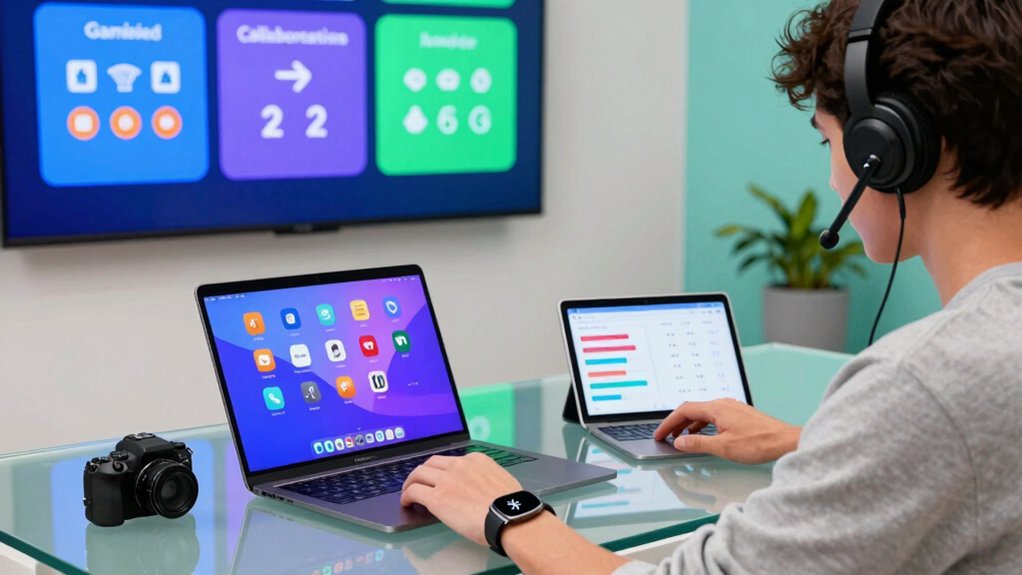
Bluetooth, apps, and learning modes turn practice into real-time, guided sessions. You get instant feedback, visual cues, and alerts that help you adjust on the fly. Adaptive drills tailor sessions to your pace, while varied learning modes keep you progressing without boredom. Gamified goals and friendly challenges add motivation. Curious about which devices and apps fit your goals, and how to avoid common tech hiccups? Stay with me to explore practical choices and setups.
How Real-Time Feedback Works With Bluetooth and Apps
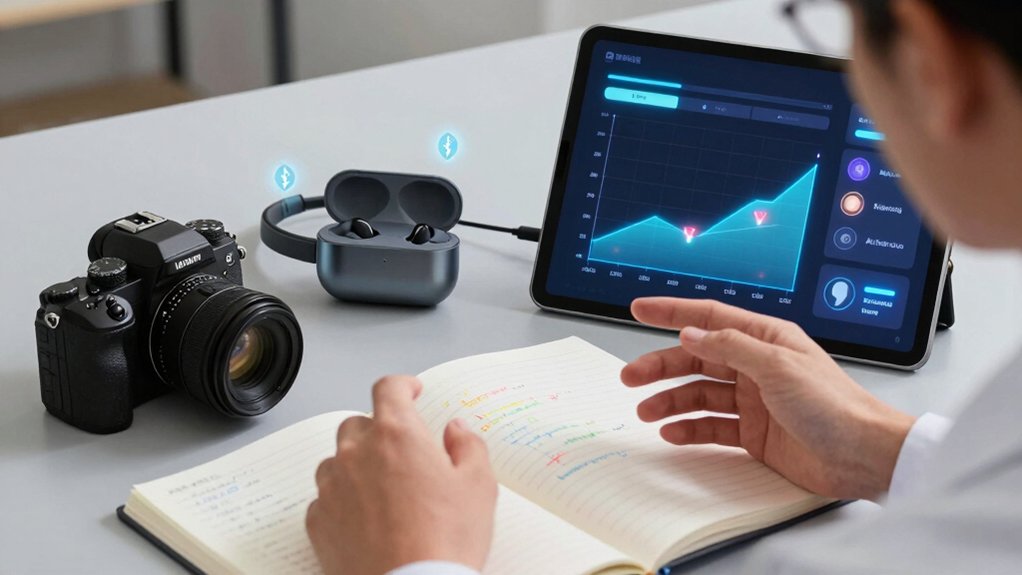
Bluetooth-enabled devices collect data from sensors in real time and push it to a companion app. You’ll see immediate feedback as metrics update, letting you adjust technique on the fly. The app processes signals through wireless connectivity, converting raw data into meaningful insights.
You won’t wait for batch reports; results appear as you move, swing, or pedal. Data synchronization keeps your device and cloud copy in sync, so you have consistent access across phones, tablets, or watches.
Visual cues—dots, gauges, or progress bars—highlight strengths and gaps, guiding your next reps. Alerts notify you of anomalies or ideal ranges, helping you stay in target zones.
With this setup, practice becomes responsive, focused, and easier to track over time.
Personalize Practice With Adaptive Drills and Learning Modes
Adaptive drills tailor practice to your progress, making sessions smarter rather than longer. When you personalize drills, you get a tailored path that adjusts in real time, so you focus on what matters most. This includes Personalized scheduling, which aligns sessions with your energy and calendar, and Custom difficulty, which scales tasks to your current skill level. You’ll move faster through basics or slow down to master tricky moves, all without guesswork.
- Set personalized scheduling to fit your week and peak hours.
- Choose Custom difficulty to progressively challenge yourself.
- Switch learning modes for targeted drills (drill, review, or mixed).
Make Practice Fun: Gamification and Social Motivation
Gamification turns practice into a goal-driven game by adding rewards, challenges, and progress tracking, which makes regular sessions feel more engaging. You’ll tap into immediate feedback, celebrate small wins, and build momentum without burnout.
Use clear goals and bite-sized milestones to maintain steady motivation, especially when progress slows. Gamification techniques help you quantify effort, compare results, and sustain curiosity through varied activities.
Pair this with social incentives—friendly competition, shared progress, and collaborative challenges—to boost accountability and commitment.
When you track performance, you’ll spot patterns, adjust tactics, and stay focused on outcomes. Keep rewards meaningful and aligned with learning objectives, not just surface-level wins.
The mix of personal achievement and social support makes practice feel purposeful, enjoyable, and sustainable.
Choosing Devices and Apps for Your Practice Goals
Choosing the right devices and apps starts with clear criteria for your practice, including performance, reliability, and ease of use. You’ll want app compatibility goals that match your existing tools and workflows, so everything works together smoothly.
Align your choices with your practice goals to guarantee each device and app directly supports the outcomes you’re aiming for.
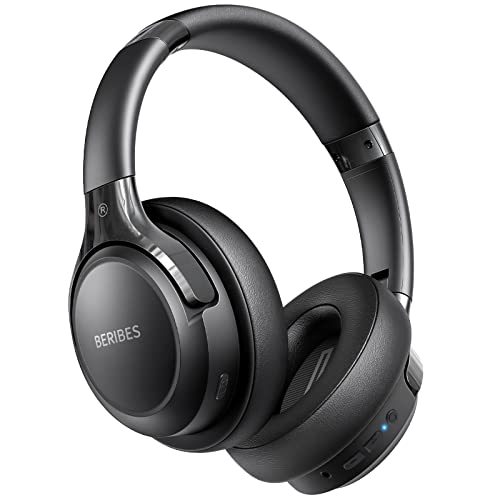


Device Selection Criteria
When selecting devices and apps for your practice, start with your goals and constraints, then match tools that support them efficiently. You’ll prioritize hardware compatibility, reliable user interface, and responsive performance to avoid friction during sessions.
Consider battery life, durability, and how updates may affect features you rely on. Compatibility with your existing ecosystem matters, as does straightforward pairing and seamless syncing across devices.
Choose apps that align with your workflow, not just hype.
- Assess core needs first: goals, environment, and required features.
- Check hardware compatibility and platform support before buying.
- Test the user interface with your typical tasks to ensure smooth navigation and quick access to controls.
App Compatibility Goals
App compatibility goals should start with your practice aims and workflows in mind. You’ll select devices and apps that align with how you learn, track progress, and stay motivated.
Prioritize hardware that supports reliable connections, stable updates, and broad accessory support, so you don’t chase compatibility later. Aim for a minimal set of tools that cover your core tasks, reducing setup time and friction.
Look for features that translate across platforms, like cloud sync, offline access, and quick data export. Consider device integration with your existing gear to avoid isolated ecosystems.
Favor app flexibility, so you can tweak layouts, inputs, and dashboards as your needs evolve. This approach keeps your practice focused and scalable, not tech-heavy.
Practice Goal Alignment
To align your devices and apps with your practice goals, start by mapping each goal to concrete tasks and the tools that best support them. Choose gear and software that directly enable those tasks, not just flashy features. Your focus should be on sustaining practice consistency and using motivation tracking to stay on course.
1) Define each goal with measurable tasks and select apps that log progress automatically.
2) Pair devices that streamline routine actions, like reminders, timers, and quick notes.
3) Set up dashboards that visualize milestones and trigger alerts when you drift off track.
Troubleshoot Common Tech Pitfalls in Practice Tools
Even small tech hiccups can derail practice sessions, so you’ll want a simple, reliable troubleshoot routine that you can run in minutes. Start by checking Connectivity issues: confirm Bluetooth is on, the device is paired, and the practice tool is selected as the audio or input source.
If connections drop, toggle airplane mode briefly, then re-enable Bluetooth. Next, review app update requirements: ensure the latest version is installed, and that your device OS meets minimum specs. Restart the app and, if needed, reboot the device.
Clear cache or data only as a last resort, since that may reset progress. Disable other background apps that could steal resources. If issues persist, consult the support page for known outages and compatibility notes.
This quick, focused approach minimizes downtime and keeps momentum.
Measure Progress and Sustain Momentum With Tech Tools
You’ve already got the practice tools set up and troubleshoot steps in place; now it’s time to turn that setup into measurable momentum. Digital tracking helps you see patterns, not guesswork, so you can adjust daily effort with confidence. Use progress benchmarks to define targets, celebrate small wins, and stay motivated as you improve.
1) Set clear milestones and review them weekly to keep momentum rolling.
2) Log sessions and outcomes, then compare against benchmarks to spot gaps quickly.
3) Use alerts or reminders to sustain consistency without nagging you.
Keep the cadence steady, analyze results honestly, and adapt routines as needed.
With digital tracking and progress benchmarks, your practice becomes intentional growth, not drift.
Conclusion
Imagine holding your practice in your hands, each byte of feedback lighting the path ahead. With Bluetooth, apps, and adaptive modes, you glide from uncertainty to flow, like a map unfolding beneath your feet. Visual cues glow, drills morph to fit you, and friendly challenges spark momentum. Stay curious, track every win, and let social moments pull you forward. Your skill grows—fun, focused, and inevitable—one connected session at a time.