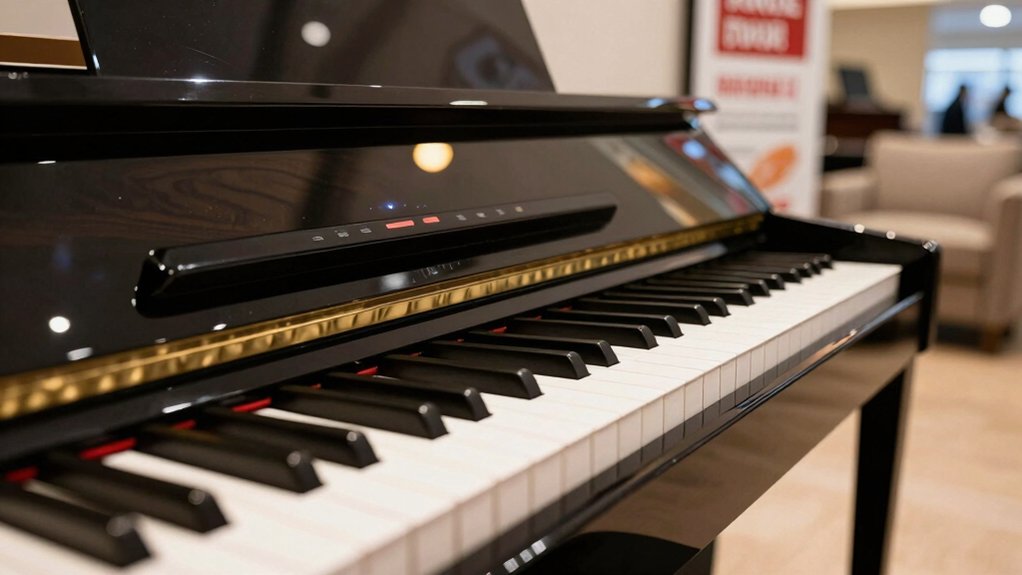
It’s almost impossible to overstate how much a single digital piano can change your playing, practice, and progress. You’ll want a clear sense of how your goals, space, and budget align, not just a flashy feature list. Think about whether you’re starting out, pursuing longer sessions, or aiming for stage-ready reliability. This guide breaks down what to spend by use, what features matter most, and how to test options—so you can decide with confidence, and avoid buyer’s remorse.
Defining a Good Digital Piano: What Quality Means for Different Players
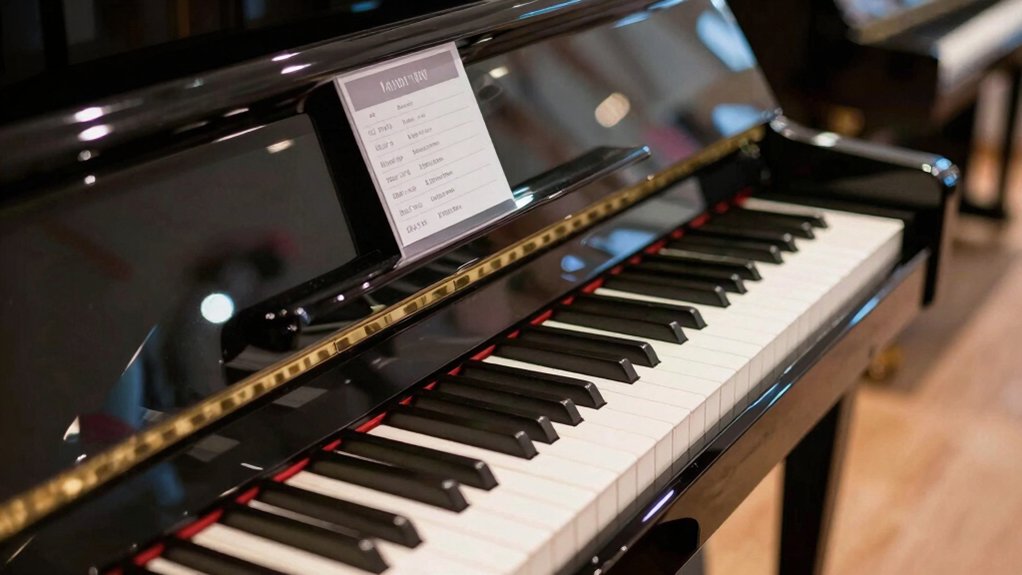
A good digital piano isn’t defined by price alone; it’s about how closely the instrument mirrors the feel and responsiveness you need. You’ll judge quality by action, touch sensitivity, and dynamic range, not sheer cost.
If you play delicate passages, prioritize graded hammer action and subtle velocity curves; if you’re into aggressive, rhythmic playing, you’ll value stable keyweight and repeat accuracy. Consider sound realism across registers, sample depth, and synthetic resonance, then test for consistency across modes.
Your decision should hinge on price comparison alongside a clear view of features that truly matter to you. Use feature prioritization to filter options: prioritize action and tone first, then ancillary capabilities like connectivity or recording.
This keeps your choice grounded in real playing needs, not marketing hype.
How Much to Budget by Use Case: Beginner, Hobbyist, and Pro-You-Are
You’ve got to match what you’ll actually do with the instrument to how much you spend. Your budget should reflect your use case: beginner, hobbyist, or pro-you-are.
For beginners, prioritize reliable keys, decent presets, and room for growth; you can invest modestly while avoiding major compromises.
Hobbyists can balance features and long-term durability, trading some ultra-realistic action for broader connectivity and practice tools.
Pros or “pro-you-are” players should expect higher prices that align with performance, stability, and a broader feature set, accepting that price versus features swings may be substantial.
Consider brand reputation as a guiding signal, not a sole determinant.
Aim for a purchase that matches expected use, while preserving resale value and upgrade potential.


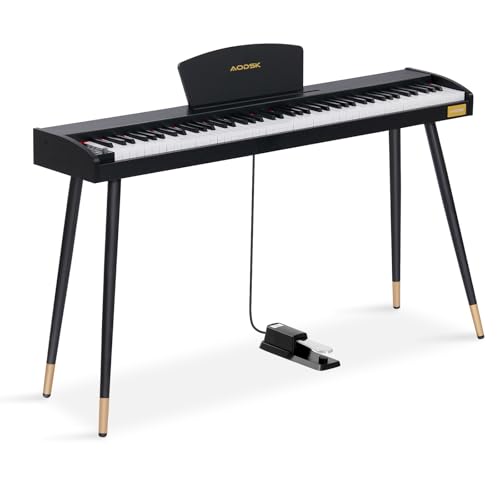
Understanding Key Action: Hammer Feel, Graded Weighting, and Synthetic Options
Understanding key action is essential because it directly affects how your digital piano translates your touch into sound. You’ll explore hammer feel, graded weighting, and synthetic options to gauge how closely the keyboard mirrors a real piano.
Key action describes the mechanism that translates downward force into musical response, so you should consider rebound, aftertouch, and consistency across the keyboard.
Graded weighting means heavier lower keys and lighter upper keys, improving playability for expressiveness and dynamic control.
Synthetic options use advanced computer modeling to simulate hammer and string interactions, offering consistency and cost savings.
When evaluating, test touch response across registers, note how rebound influences articulation, and ask how closely the action supports sound realism without sacrificing reliability or longevity.
Sound Quality Essentials: Which Piano Voices You’ll Actually Use
When you’re evaluating a digital piano, focus on the tone quality of the core piano voices and how they translate to real playing scenarios. You’ll want practical voice selection that matches genres you actually perform, rather than collecting every available timbre.
Piano Tone Quality
How does piano tone quality influence your playing experience? Your impression of touch, feel, and musical intent hinges on tone, not just volume. A digital piano’s voice should respond with dynamic clarity across registers, offering natural decay, transparent articulation, and consistent voicing.
When tone is well balanced, you hear nuance in subtle pedaling, legato lines, and expressive phrasing, enabling accurate shade of emotion in any music genre. Look for voices that reproduce timbral variety without harsh edges or muffled resonance, ensuring the instrument remains faithful to your articulation.
Tone quality also shapes aesthetic appeal, guiding your overall ensemble presence and recording results. Prioritize symmetry between samples and effects, preserving intelligibility at different tempos and dynamics for a reliable, musical storytelling tool.
Practical Voice Selection
Selecting practical piano voices means balancing what you’ll actually use with how it feels in real-time. In practice, you’ll favor core timbres that translate well to different genres, not every exotic option. Prioritize essential voices: classic grand, upright, and piano-plus textures that respond to touch without sounding thin at moderate levels.
Evaluate how quickly you can switch between presets during practice or performance, and test sustain, decay, and dynamic range at typical volumes. Voice customization helps tailor tone to your room and playing style, so adjust attack, release, and layering thoughtfully.
Tone modulation should feel natural, avoiding over-processed results. Aim for a coherent palette that remains expressive across styles, ensuring your digital piano remains a reliable vehicle for musical ideas rather than a gimmick.
Essential Money-Saving Features That Don’t Compromise Feel
You don’t have to blow your budget to get a digital piano that feels real. In this topic, you’ll focus on features that save money without dulling the touch or tone.
Prioritize core elements: keyboard action, key weighting, and graded feel that matches real pianos, but don’t chase every luxury option. Look for models with multiple touch sensitivities and solid build quality rather than extravagant finishes.
Use price comparison to verify value across brands, and consider mid-range instruments that still deliver responsive keys and natural decay.
Also factor in accessory essentials, like a stand, sustain pedal, and a reusable bench, bundled when possible to reduce extra costs.
Avoid gimmicks; consistency of touch, response, and voicing matters most for authentic practice and play.


Pedals, Connectivity, and Onboard Recording: What’s Worth Paying For
Pedals, connectivity, and onboard recording are practical features that can boost a digital piano’s usefulness without inflating the price. You should value a solid sustain pedal that feels responsive and publishes consistent feedback, since it directly impacts performance expression.
Look for reliable connectivity options that align with your setup—USB MIDI for computer use, Bluetooth for quick practice, and line-out for external amplification.
Onboard recording is a bonus, but prioritize it only if you’ll actually use it, not as a gimmick. Consider polyphony and pedal-sensing accuracy to ensure notes don’t drop during complex passages.
In short, pay for features that integrate smoothly with your workflow and playing needs, rather than chasing every latest gimmick. Choose purposefully, balancing tactile feel with practical versatility.
Brand, Build Quality, and Reliability: Choosing a Durable Instrument
Brand longevity matters because you’ll likely keep a digital piano for years, so the maker’s track record signals long-term durability. Look for clear build quality standards and consistent materials, since you want reliable feel and performance over time.
Finally, prioritize reliability data and user feedback to gauge how the instrument holds up under regular use.
Brand Longevity Matters
Brand longevity matters because a piano’s brand and build quality are practical indicators of durability, warranty support, and long-term value. You’ll want to weigh how a brand has performed over time, not just in a single model.
A strong brand reputation signals consistent design choices, reliable parts, and accessible service networks, which reduces future headaches. Consider warranty coverage as a predictor of commitment to customers; transparent terms and responsive support matter when you need repairs or guidance.
Look beyond flashy features to the stability of the manufacturer’s product lifecycle, spare-part availability, and update policies. In practice, you’ll favor brands with documented reliability histories and clear, fair warranty terms, ensuring your investment remains solid as your playing needs evolve.
Build Quality Standards
Durability hinges on how a piano feels and performs under real-world use, so evaluating build quality starts with the materials, construction methods, and tolerances manufacturers commit to. You assess brand consistency, chassis rigidity, keybed feel, action response, and pedal mechanisms, because these fundamentals influence long-term reliability.
A durable instrument uses quality wood or composites, precision machining, and robust fastening, rather than visible shortcuts. Consider how parts align under load, how screws resist loosening, and whether dampers, hammers, and strings (where applicable) respond without flutter or delay.
Look for standardized testing, serviceability options, and manufacturer support that enable ongoing maintenance. Digital Piano Maintenance and Digital Piano Accessories are practical considerations for preserving feel, resale value, and consistent playability over time.
Reliability Over Time
Reliability over time hinges on more than just initial build quality; it’s about how consistently a digital piano performs year after year. Brand reputation matters, but real durability comes from consistent performance, component quality, and thoughtful design.
Look for robust keybeds, synthetic ivory–feel surfaces, and stable chassis to minimize sag or misalignment. Consider service networks and warranty terms, since easy access to repairs reduces downtime and preserves value.
Regular maintenance tips, like keeping the keyboard clean, guarding against dust in ports, and ensuring proper ventilation, extend life and responsiveness.
Invest in digital piano accessories that protect electronics and speakers without compromising play feel. Balance upfront price with long-term reliability, and plan for periodic checks rather than reactive fixes to sustain a satisfying, interference-free playing experience.
New vs Used: When a Bargain Helps or Backfires
When you’re deciding between a new or used digital piano, price isn’t the only factor to weigh: you should also consider condition, features, and long-term costs. A bargain can backfire if the unit has hidden wear, limited warranty, or outdated tech that won’t support updates.
Weigh the price comparison against ongoing expenses like maintenance, keybed feel, and servicing needs. Used instruments may offer immediate value, but you risk shorter resale value if the model becomes obsolete or has compatibility issues with software and adapters.
Conversely, buying new gives reliability, recent features, and full warranty, though depreciation hits quickly. Balance upfront savings with confidence in future support, so you don’t sacrifice playability for a temporary discount.
Ultimately, informed choices protect both enjoyment and resale value.
Quick Evaluation Checklists: Practical Checks Before You Buy
When you prep to buy, start with quick hardware checks to verify build quality and reliable control surfaces.
Then run a sound and feel test to judge tone consistency and keyboard action, noting how keys respond at various dynamics.
Keep these checks targeted and repeatable so you can compare models side-by-side with clarity.
Quick Hardware Checks
To quickly separate solid options from dud models, start with quick hardware checks that you can perform in minutes: inspect the piano’s keyboard for even response and consistent key weight, listen for unusual mechanical noises, and verify the action feels sturdy with no looseness when you press keys firmly.
Move on to build quality: confirm chassis rigidity, real hinges or latches aren’t creaking, and check pedal connections for secure fit. Evaluate the case for gaps or warping, and ensure finish scratches aren’t indicative of rough handling.
Test basic input controls—volume dial, octave shift, and sustain switch—for smooth, tactile feedback. Consider playability features and aesthetic considerations together; a solid hardware baseline improves reliability, while subtle design cues can affect daily satisfaction and usage.
Sound and Feel Test
Building on solid hardware checks, a sound and feel test focuses on how the piano responds in real playing scenarios. You assess touch feel, weight consistency, and key rebound across the keyboard, noting any unevenness or dead keys.
Listen for realistic dynamic range: can you express soft passages without stiffness and fortes without loss of tone? Evaluate pedal action, half-press sensitivity, and sustain decay to match your playing style.
Check keyboard ergonomics for comfortable posture during scales and passages, and verify the instrument supports your workflow, including a responsive Digital interface for setup changes. Consider tempo sync, layer transitions, and preset accessibility, verifying that control layouts suit you.
A thorough test helps align your expectations with long-term usability.
How to Test a Digital Piano in Store or Online: A Hands-On Testing Guide
If you’re shopping for a digital piano, testing it in store or online should be a structured, hands-on process. Start with touch and action: compare keyboard weighting, key travel, and repeatable response across dynamics. Try scales and chords to feel consistency, then test sensitivity in softer passages versus fortissimo.
Listen for note defects, latency, and pedal feel; ensure sustain decays naturally and the half-pedal works as expected. Evaluate display clarity, menu navigation, and responsiveness of any teaching modes.
Assess digital features like sampled sound quality, polyphony, and effects, guaranteeing they serve your repertoire. Consider stability of connections, speakers, and headphone output.
Finally, weigh aesthetic appeal and build quality in relation to your space, but prioritize playability and reliability above appearance.
Final Decision Framework: A Simple Budgeting Decision Tree
After testing and evaluating options, you’re ready to map your needs to a clear budget framework. A simple decision tree helps you translate wants into a concrete plan.
Begin with your core requirement: do you need authentic key feel, long-term reliability, or portability?
Next, assign a price ceiling that aligns with your budget allocation, and identify one or two nonnegotiables.
If a piano hits the threshold, consider alternatives or financing only after confirming essential features.
Use Pricing strategies to compare models with similar specs, then validate with real-world use cases and warranty terms.
Finally, pick a tier that balances feature set, maintenance costs, and resale value.
This framework prevents range guesswork and clarifies how every dollar supports your musical goals.
Conclusion
You’ve got a solid framework to guide your purchase, so trust the process and don’t rush. Align your budget with your playing goals, test feel and sound thoughtfully, and weigh new versus used options for real value. Remember: a well-chosen digital piano is a long-term partner, not a weed-out novelty. Invest where it matters—keyboard action, reliable voices, and durable build—and you’ll unleash progress that feels almost superhuman. Your ideal instrument awaits, and it’s within reach.