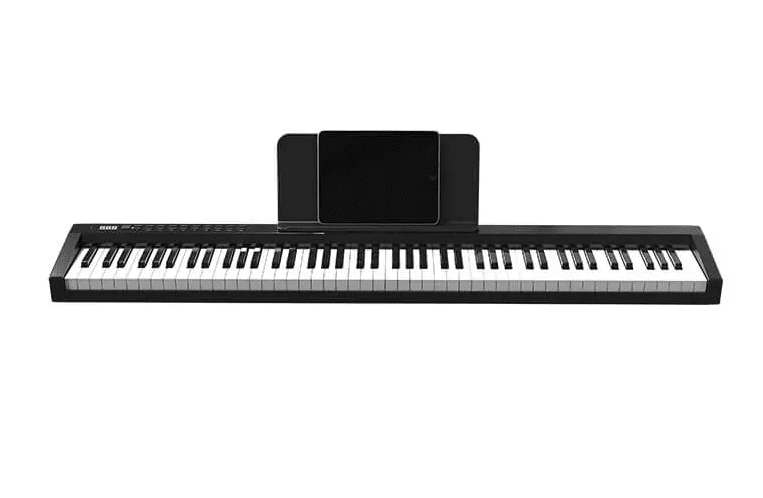
The $200 keyboard vs $2,000 digital piano difference goes far beyond price tags and brand names—it’s the gap between springy unweighted keys versus graded hammer action, basic sound samples versus multi-layered recordings with string resonance modeling, and plastic construction that flexes versus wooden keys with ivory-feel surfaces. Many beginners wonder if expensive digital pianos just represent marketing hype and brand premiums, while experienced players immediately feel and hear the profound differences that justify tenfold price variations.
This honest comparison reveals exactly what you gain at each price tier, which upgrades deliver genuine playing experience improvements versus diminishing returns, and when budget keyboards adequately serve learning needs versus when their limitations actively harm technique development and musical satisfaction.
Did you know that entry-level keyboards can cost a fraction of advanced digital pianos yet still cover essential practice needs? You’ll weigh portability and cost against touch, sound realism, and build quality as you compare a $200 option to a $2,000 instrument. This discussion breaks down what each price tier actually delivers, so you can judge whether the upgrade makes sense for your goals and commitment.
Understanding Keyboard Pricing: What Level Belongs to You
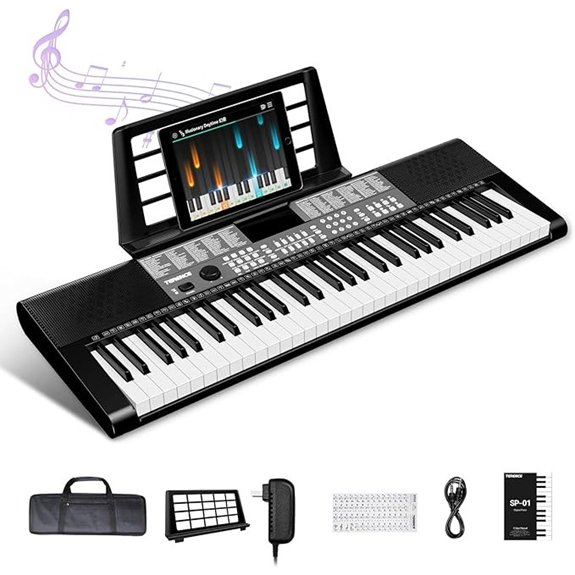
When you’re choosing between a keyboard and a digital piano, the deciding factor is how you plan to use it and what you expect from touch, sound, and features. Understanding keyboard pricing begins with your intended musical genre and performance context.
Entry models emphasize portability, basic keys, and built-in rhythms, suitable for practice, casual jams, or teaching beginners. Mid-range options add better action, speaker quality, and USB/MIDI connectivity, appealing to small setups and home studios.
High-end boards bring graded hammer action, extensive sampling, and professional effects, appropriate for serious practice and live gigs. Consider the recording environment you’ll use—home studio, rehearsal space, or classroom—since acoustics and monitoring shape value.
Price reflects keybed quality, polyphony, and expansion potential, not just brand name.
What Higher Price Really Buys: Key Differentiators by Level
Higher price buys tangible improvements in touch, sound, and versatility that matter for serious players. In this comparison, you’ll notice how higher-cost models translate specs into playability, not marketing fluff. The evidence points to refined keyboard action, more expressive control, and richer digital sound across dynamic ranges.
While more affordable options cover basics, premium boards deliver subtler tactile feedback and better sustain, which affects phrasing and accuracy. Keyboard ergonomics improves with thoughtful layouts, weighted keys, and balanced finger reach, reducing fatigue during long sessions.
Expect higher-quality speakers or outputs that render nuance more faithfully. The result is a more capable instrument for interpretation, recording, and live use.
- Enhanced keyboard ergonomics and action translate to steadier, more expressive performances
- Superior digital sound with wider dynamic range and realism
- Versatile connections and software integration boost capability for advanced setups
Core Tasks at Budget Price: What a $200 Keyboard Must Deliver
What must a $200 keyboard deliver to be truly usable for serious players? You expect reliable key size, responsive action feel, and dependable sounds that serve real practice and performance needs.
At budget price, you should see consistent velocity response across dynamics, without severe zoning or dead zones, so your touch translates to usable musical expression.
The device should offer a balanced, usable range of voices and essential effects, not gimmicks, with straightforward editing to avoid workflow friction.
Audio output matters: built-in speakers should provide clear, intelligible monitoring for casual playing, though you’ll still want external speakers or headphones for accuracy.
Connectivity must be enough for practice setups and basic recording.
Downstream reliability hinges on firmware stability and maintenance.
Touch and Action Upgrades: How a $2,000 Keyboard Feels Different
You’ll notice the difference in weighted key feel and throw-depth response when you move from lighter-action keyboards to a $2,000 model.
These factors influence how accurately you can express dynamics and control attack, especially in legato passages.
Objective testing shows that improved balance and return force can translate to more precise touch sensing and a more musical response.
Weighted Key Feel
A $2,000 keyboard typically yields a noticeably heavier, more graded action than entry-level models, thanks to more sophisticated weighted keys and a smoother hammer-like mechanism. You’ll notice improved dynamic control, where subtle finger pressure translates to nuanced volume and articulation, rather than a binary response.
The feel aligns more with an acoustic piano, reducing finger fatigue during longer practice sessions. Key resistance remains higher, especially in the mid-range, aiding consistency across registers. This consistency supports precise facial and tonal shaping, particularly in legato passages and repeated-note patterns.
- Enhanced weighted keys improve dynamic range and expressiveness
- Greater key resistance provides consistent touch across octaves
- Smoother action reduces fatigue and improves control during extended playing
Throw-Depth Response
Throw-depth response refers to how a keyboard’s action translates fingertip input into hammer-like motion and audible output, revealing the mechanical and software refinements behind a $2,000 model. You’ll notice subtler key let-off, greater repeatability, and more consistent velocity mapping across a wider dynamic range.
The sensation isn’t about loudness alone; it’s about predictability under tempo and phrasing, which helps you control articulation in real time. In practice, you’ll experience smoother progressions between genres, with favorable response curves for both delicate fingerwork and louder chords.
For beginner vs advanced players, differences matter most in consistency and confidence during practice. Evidence suggests improved grading of touch translates to more faithful expression across music genres, reducing fatigue and enabling clearer musical intent.
Sound, Polyphony, and Effects: Budget vs. Boutique Performance
You’ll notice budget models often cap polyphony and offer simplified effects, while boutique units push fuller tone and richer modulation.
We’ll compare how sound fidelity and expandable effects influence realism, layering, and expressive potential in real-world use.
The discussion centers on whether the extra cost yields perceptible gains for your playing style and repertoire.
Sound Fidelity Gaps
Sound fidelity gaps between budget keyboards and boutique-grade instruments hinge on three core areas: tone generation, polyphony, and onboard effects. You’ll notice cleaner harmonic content, more expressive envelopes, and quieter jitter on premium models, especially at higher velocities and complex timbres.
Budget units often reuse sample pools with limited dynamic response, while boutique options provide richer resonance and smoother transitions. Polyphony matters when you layer multiple tones or sustain long passages, revealing how many voices you can sustain simultaneously without note cutoffs.
Onboard effects shape perception, with boutique keyboards delivering subtler reverb tails, clearer delays, and more musical modulation. For you, keyboard ergonomics and digital display clarity influence how faithfully you perceive those sonic distinctions in real time.
- Clear font and intuitive menus improve quick sound sculpting
- Intact, legible graphics under varied lighting aid accuracy
- Responsive controls help translate nuance into performance
Polyphony And Effects
Polyphony and effects are where budget keyboards and boutique instruments truly reveal their differences in practice. You’ll notice that higher-polyphony stacks sustain without choking the tone, enabling complex textures and layered melodies that feel effortless.
Budget options often cap at 64 or 128 voices, which can crowd or drop notes during dense passages; boutique models frequently offer 256 voices or more, preserving clarity under full chords. Effects matter too: reverb, delay, modulation, and multi-effects chains can transform a performance, but cheaper units may lack high-quality algorithms or CPU headroom.
The result isn’t just sound quality; it’s playability and consistency across registers. Consider keyboard craftsmanship and brand prestige as indicators of durability, service support, and long-term value when evaluating your practical needs.
Durability, Connectivity, and Reliability in Real Life
Durability, connectivity, and real-life reliability determine how often a keyboard or digital piano meets daily use without fail. You’ll weigh build quality, switch longevity, and chassis rigidity, not just price tags.
In practice, key durability and structural integrity matter most for long-term performance, while connectivity reliability governs live setups and practice routines. Expect better endurance from padded cases, reinforced hinges, and switches rated for millions of presses, plus stable USB/MIDI connections that resist dropouts.
Evidence shows higher-end models often offer lower failure rates, though not universally. Your selection should balance practical testing results with real-world usage patterns, including transport and environmental exposure. Look for independent durability tests and user-backed feedback to guide decisions.
- key durability and build quality influence long-term reliability
- connectivity reliability under diverse setups matters for daily use
- real-life testing and reviews help predict ongoing performance
Matching Your Goals: When to Save, When to Splurge
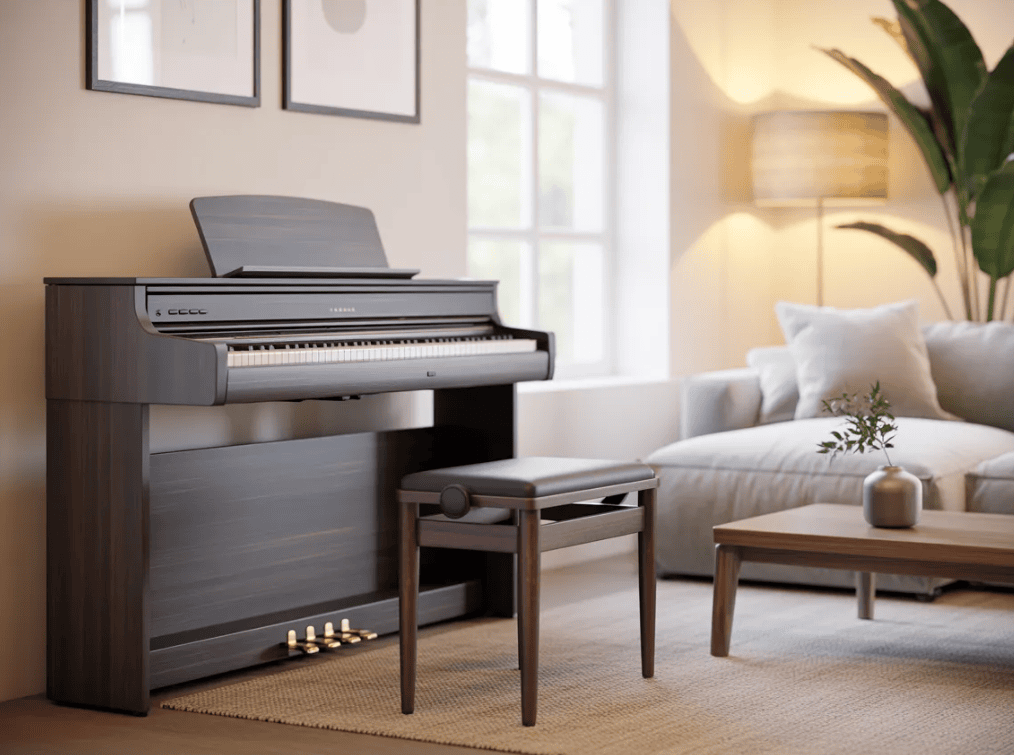
When you’re choosing between a keyboard and a digital piano, your goals should drive how much you invest. For casual practice or rapid skill growth, budget options that emphasize reliable keys and basic connectivity often deliver solid value without overpaying for bells and whistles.
If you perform publicly or seek authentic touch, you may justify splurging on weighted keys, graded action, and superior piano tone. Base decisions on how you’ll use dynamics, sustain, and pedal control, plus your room and transport needs.
In your assessment, separate essential features from luxury features, and weigh long-term maintenance costs. Remember, not every luxury feature meaningfully improves playing for beginners.
Prioritize core performance, then add luxury features only where they demonstrably enhance progress or repertoire.
Quick Decision Framework: Pick the Right Keyboard for You
To pick the right keyboard, start by clarifying your primary use, budget, and portability needs, then map features to these priorities. You’ll compare core capabilities—weighted keys, polyphony, USB/MIDI, and tone engines—against real-world use cases to avoid feature overkill.
Rely on objective criteria: responsiveness, build quality, and consistency across patches. Consider digital features like onboard rhythms, recording, and compatibility with learning apps, but weigh them against brand reputation and long-term support.
Resist marketing hype; look for transparent specifications, firmware updates, and service options. A disciplined framework keeps choices aligned with actual practice, not aspirational marketing.
- Prioritize core playability over bells and whistles
- Check brand reputation, warranty, and update history
- Validate features against your daily routine and goals
Conclusion
You’ll decide like a seasoned judge, weighing lines between scales and cost. Like Icarus choosing limits for wings, you assess value against ambition—practice vs. performance, entry joy vs. stage rigor. The $200 is enough to build fundamentals; the $2,000 widens horizons with touch, texture, and endurance. If you crave expressiveness and reliability for serious work, invest. If you’re proving the craft, start small, scale thoughtfully, and let your goals dictate the upgrade.